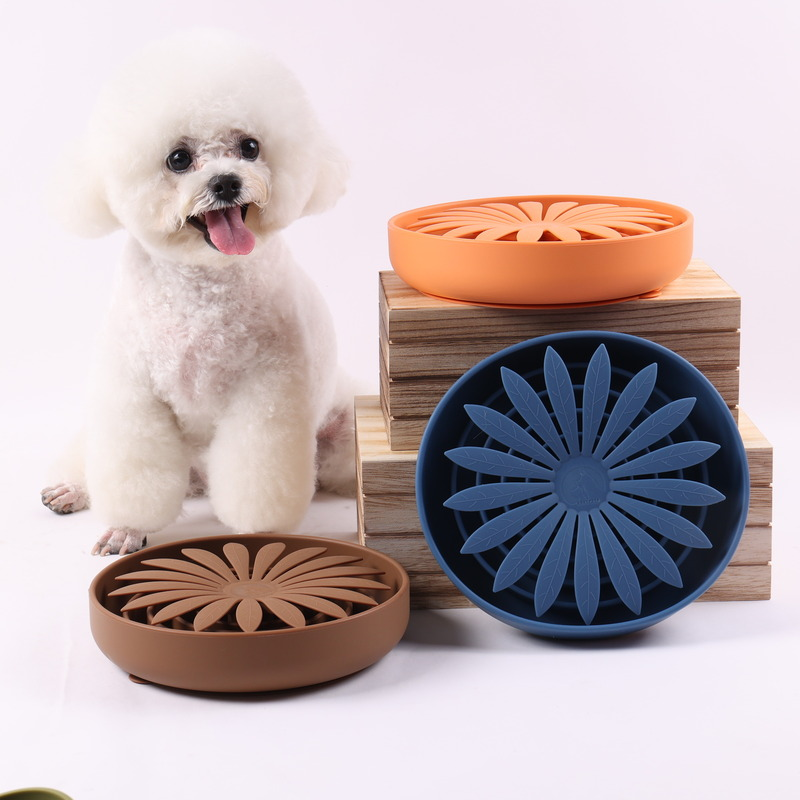
Dogs can be ravenous little fellas, gulping down their food like there’s no tomorrow. Is your beloved mutt eating so quickly they throw up, have difficulty digesting or choke on their food? Dog Slow feeders are mostly used to prevent your dog from eating their food too quickly, which can cause issues like choking, vomiting, or bloat. A slow feeder can help with these issues and also engage their minds at mealtime. Continue reading!
Why Do Some Dogs Eat Fast?
When it comes to dog dining, one phenomenon that markedly stands out is fast eating. Various reasons send dogs into this speed-eating lane, with the primal instinct of competition sitting at the forefront.
● Competition. If you have multiple dogs, one or more may decide they need to eat their food as quickly as they can to either prevent it from being eaten by other dogs or so they can then try to steal food from dogs who eat slower. In either case, feeding your dogs in separate rooms may help reduce this issue.
● Hunger. If you only feed your dog once (or maybe even twice) a day, your dog may scarf their food because they’re extremely hungry. Splitting their food up into more frequent, smaller meals may help prevent them from eating so quickly.
● Health issues. Many health problems can cause dogs to become hungrier than usual, including diabetes, thyroid issues, parasites, and Cushing’s disease. If your dog’s food-scarfing behavior is new, you should get them checked out by a vet to rule out any health issues.
● Memories of food insecurity. If you adopted your dog, they may have experienced food shortages as a puppy or young adult, leading them to still worry about where their next meal will come from. Some dogs grow out of this behavior, while others don't.
Why Fast Eating is Harmful?
Bloat can happen when a dog ingests too much air while eating, leading to stomach expansion. This can end up twisting the stomach in a way that restricts blood circulation to various organs.
Therefore, it's essential to encourage slower eating habits in dogs to promote better digestion, prevent weight-related issues, and reduce the intake of too much air during meals.
Introducing a slow dog feeder into your pup's mealtime routine can offer a myriad of benefits and healthy eating habits beyond simply slowing down their eating pace.
What is Slow Feeders Bowl? And How Does Work?
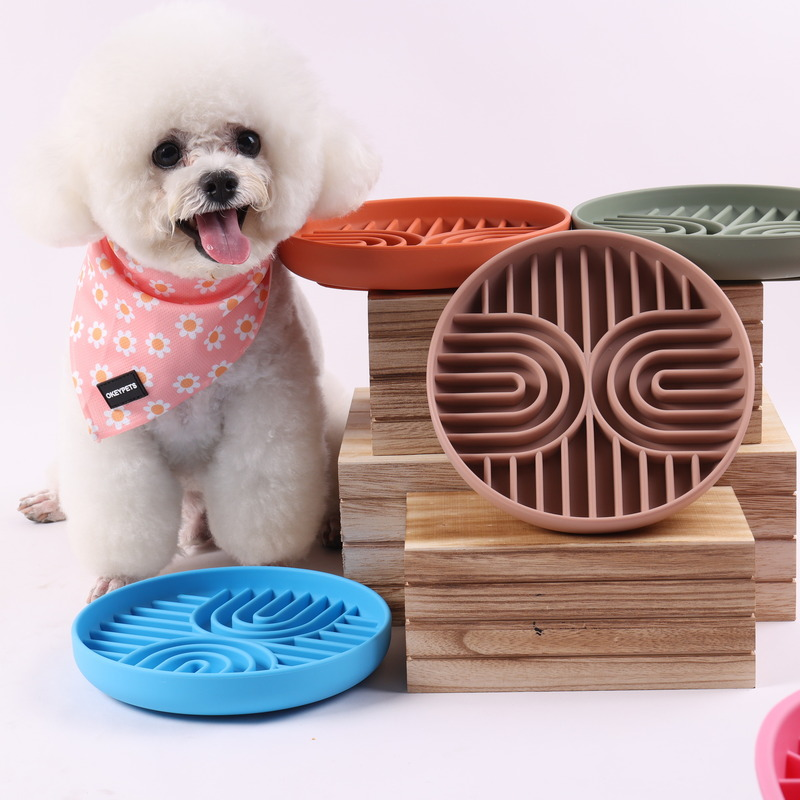
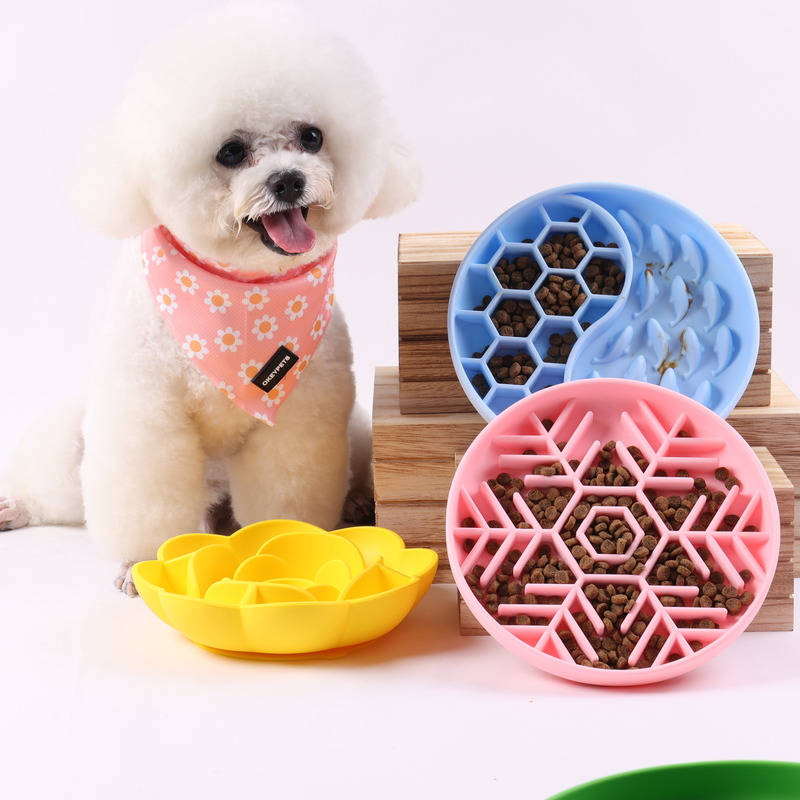
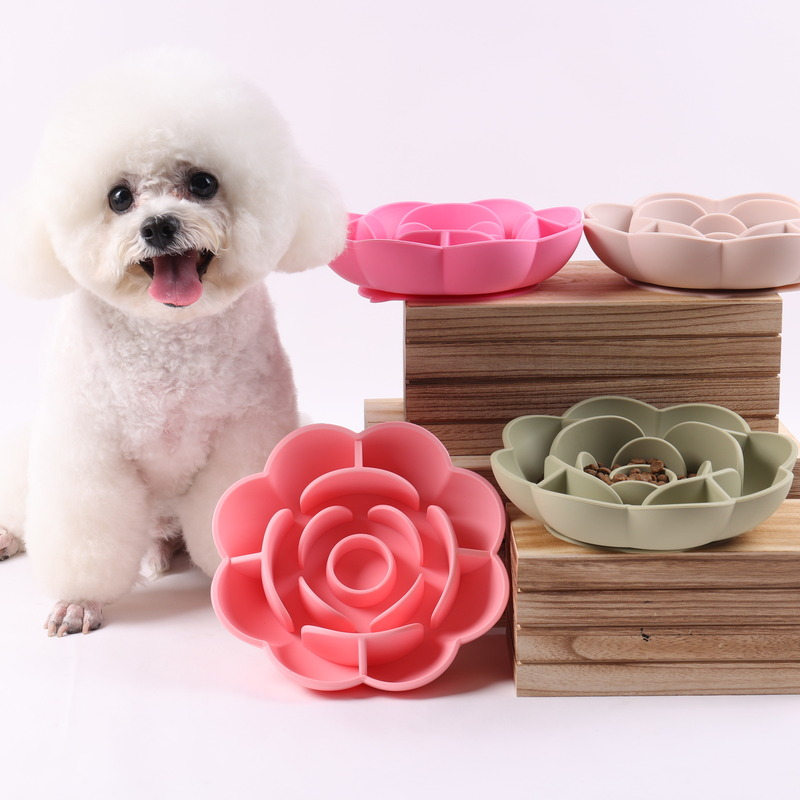
Slow Feed bowls for dogs that eat too fast come in a variety of sizes and styles. Some slow feeders look like a maze inside a bowl and prevent your dog from getting as much food with each bite. These bowls incorporate elements like puzzles or mazes that the kibble fits into or use lick mats to create obstacles that your dog needs to work through to reach their food. This not only slows their pace of consumption but also provides valuable mental enrichment. Regardless of the style, all slow feeders work by making it harder for your dog to take continuous large bites of food. Even those dogs that eat at a more regulated pace can mentally benefit from slow feeders, especially the puzzle variety.
![What Is a Slow Feeder Dog Bowl & What's the Beneifts? 1]()
The Impact of Slow Feeders on Dogs Eating Habits
By using slow feeder dog bowls consistently, you can improve your dog's eating patterns in a few ways. These small changes can have a huge impact on their overall health.
● Promotion of Natural Feeding Behavior: Dog slow feeder bowls will naturally adjust your dog’s eating pace to consume food at a more gradual speed, easing digestion. This both avoids regurgitation or vomiting after meals but also helps avoid choking on unchewed bits.
● Better mastication: Slow feeder bowls help dogs break food down adequately for better absorption of nutrients.
● Reduced Risk of Choking: Rapid eating increases the risk of choking, especially for dogs prone to gulping their food. A slow feeder encourages smaller bites and more deliberate chewing, reducing this risk.
● Prevents Gastrointestinal Discomfort: Eating fast can lead your dog to pile too much food at once into their stomach and swallow a lot of air. This can cause gastrointestinal discomfort, gas, bloating and belching. Eating slower can help your beloved pet with these problems. Good digestion makes for a happy pup! And a happy owner, if your dog is a gassy one.
How to Choose the best Slow Feeder Dog Bowl?
When searching for the right slow feeder for your dog, it’s essential to consider several factors to ensure it meets their specific needs.
Safe Materials
Look for slow feeders made from a safe material, such as stainless steel or food-grade silicone. Avoid plastic bowls that may contain harmful chemicals and also come with a higher carbon footprint. Bamboo is also a great option.
Don't Worry!OKEYPETS Dog Slow Feeder Bowls Food Grade Material Safety
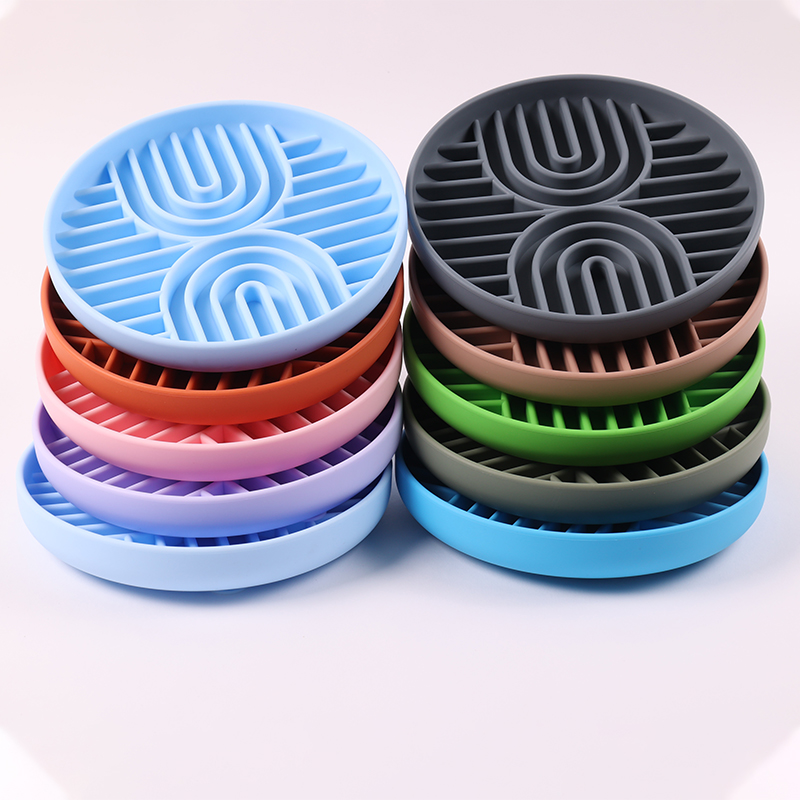
OKEYPETS slow feeder dog bowls are made of 100% food grade silicone. high temperature resistance of 230℃,low temperature resistance of -40℃. It can be heated without releasing carcinogens. easy to freeze,suitable for hot weather and alse microvave safe. The soft silicone material prevents the pet’s snout and mouth from being scratched. and the dog slow feeder bowl is BPA, PVC, and phthalate free. There are TONS of dog slow feeder bowls for fast eaters to choose from!
![What Is a Slow Feeder Dog Bowl & What's the Beneifts? 2]()
OKEYPETS Slow Feeder Dog Bowls
Food Types
Consider the type of food your dog consumes—some slow feeders are designed specifically for dry kibble, while others accommodate wet or raw dog food. Choose a feeder that suits your dog’s dietary preferences to ensure they can effectively engage with their food.
Challenge Level
Ensure that the challenge level of the puzzle feeder matches your dog’s problem-solving skills without causing frustration. The feeder should provide enough mental stimulation to slow down eating pace effectively without overwhelming your dog.
Size of Dog
Take into account the size of your dog when selecting a slow feeder. Small dogs may struggle with large, intricate feeders, while large dogs may require feeders with more substantial compartments to accommodate their larger mouths and amount of food.
Size of Muzzle
Consider your dog's muzzle size when choosing a slow feeder. Some feeders have narrow compartments that may be challenging for dogs with broader muzzles to access. For flat-faced dogs, pay special attention to the bowl’s depth and contour to ensure they can access their meal without strain.
How to Transite your dog to Slow eating Habit by Slow Feeder?
Combining Slow Feeder Bowl With Regular Bowls
Using a combination of bowls can help them spend a little extra time switching between them, encouraging more chewing. This chewing will not only slow them down but also break the food down better for better nutrient uptake.
Enhancing Mealtime With Slow Feeders and Quality Nutrition
Understanding how slow feeders work, we can now make your dog's mealtime more successful and use that to improve their overall well-being. We can tailor mealtime to meet their specific needs.
Selecting the Right Food in Dog Slow Feeder Bowl
Deciding on the dog food to pair with a slow feeder should be based on what your dog dietary needs require. Their taste preferences should play a role as well. Try combining wet food in one and dry in another. If they REALLY love their wet food, that may be the right starting point for the slow feeder since it’ll entice them to figure it out even more so. Just make sure to thoroughly clean every nook and cranny to avoid potential bacteria buildup.
When portioning the food, you need to be aware of how the dish structure affects how the meal is delivered. Watch out for any elevated structures within the bowl to ensure you’re taking full advantage of the pacing the dish will provide. If it's just piled on top, it defeats the purpose of the bowl and you should invest in a larger size.
In Conclusion
Dog Slow feeder Bowl is an ingeniously simple solution to encourage your pup to pace themselves during meal times. Each unique design, with different shapes and patterns, challenges dogs to slow down, think, and strategize their next bite. This not only stretches out their eating process to a healthier, slower pace but also injects some mental stimulation into a daily part of their day.
You can trust OKEYPETS dog Slow feeder bowl! The Slow Feeder Food Bowl has aconcave and convex slow foodcolumn, which slows down the pet'seating speed and reduces theburden on the stomach andintestines by placing an obstacle orspecial design in the bowl, It's a practical solution for fast eaters and dogs with digestive concerns.
To figure out if your dog could take advantage of the slow feeder benefits, look for behaviors like gulping down food quickly, regurgitating or vomiting shortly after eating, or displaying any anxiety around mealtime.
Always remember that each dog is unique, so what works for one may not work for another. This is especially true if you have multiple dogs. Figure out what is right for each of them to reduce stress at mealtime. Feeding practices should be completely tailored to each of your pets.
Recommend Dog Slow Feeder Bowls
FAQ About Dog Slow Feeder Bowl
1. How often do I need to clean a slow feeder dog bowl?
As your dog will likely produce lots of saliva as they work to get each piece of food, it is important to wash the bowl, even if just a quick hand-wash, after each use.
2. How do I clean a slow feeder bowl?
Many dog slow feeder bowls are dishwasher safe, but hand washing with warm, soapy water is also effective. Always follow the manufacturer's cleaning instructions.
3. Are slow feeder bowls suitable for all dog breeds?
Most slow feeder bowls are suitable for various breeds, but it's best to choose one based on your dog's size and eating habits.
4. How long does it typically take for a dog to eat from a slow feeder bowl?
The time can vary depending on the design of the bowl and the dog's eating speed; however, it usually takes two to three times longer than eating from a regular bowl.
5. Can slow feeders be used for wet food?
Some dog slow feeder bowls are designed for dry food only, while others can accommodate wet food. Check the product specifications before use.