![How To Choose The Right Dog Collar? 1]()
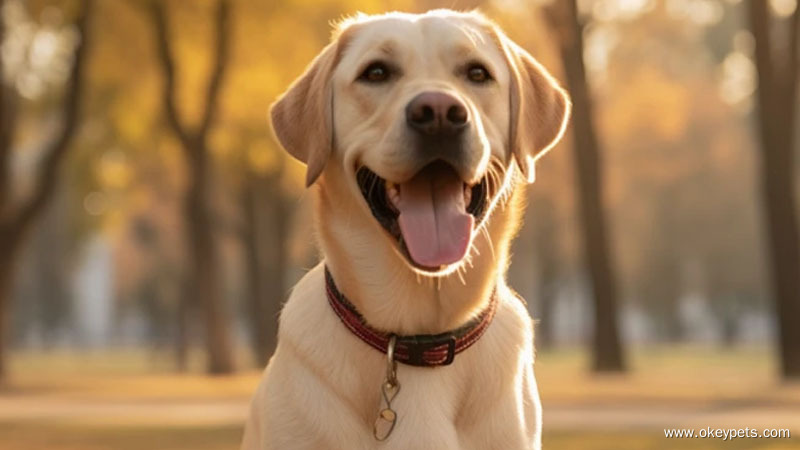
When choosing a dog collar, it is important to consider factors such as the size, breed, and behavior of your dog. Collars have a variety of uses beyond just attaching an ID tag; they aid in training, safety, and control. This article details the types of collars available, the importance of choosing the right size, and how to make sure you choose the best collar for your dog.
1. What is a Dog Collar / Why Do Dogs Need Collars?
Dog collars make up a large portion of the pet products market, and the dog collar market is expected to continue to grow as technology advances and consumer preferences change.
A dog collar is a piece of material that fits around a dog's neck and is typically used to attach an ID tag, leash, or other accessory. It is a basic but essential tool for responsible pet owners.
There are several reasons why dogs need collars:
Identification: The primary function of a dog collar is to attach an ID tag, which contains the dog's name and your contact information.
Leash control: A dog collar provides a secure point to hold a dog leash, making it a must-have when walking your dog.
Training Aids: Different types of dog collars (e.g., training dog collars, dog harnesses) can help with behavioral issues such as pulling, barking, or jumping.
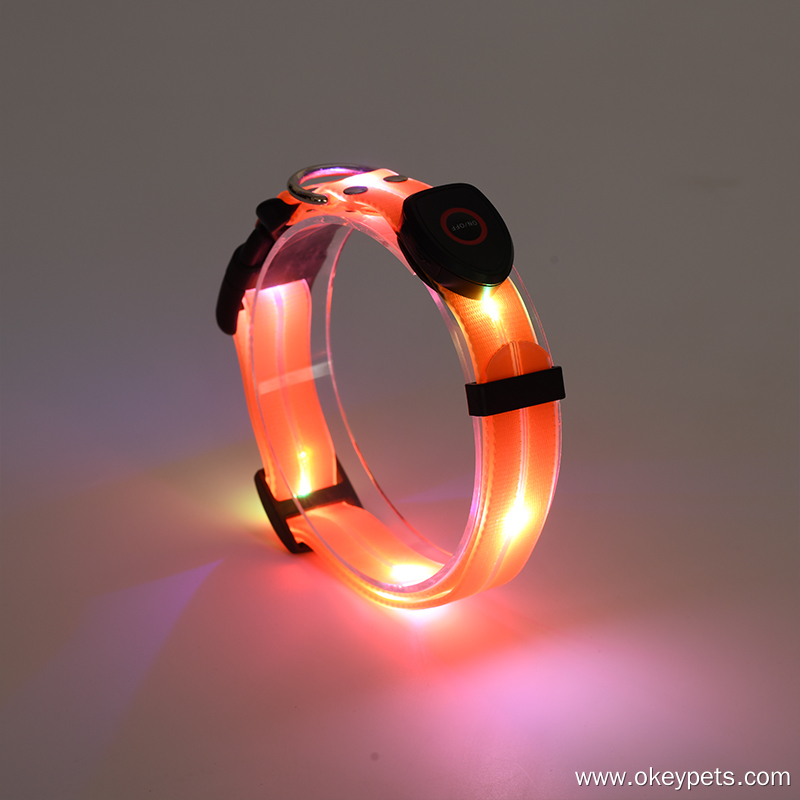
Safety: GPS dog collars can be used to monitor a dog's whereabouts to prevent the dog from getting lost; LED dog collars can be used for nighttime dog walks, where LED dog collars make the dog more visible at night to ensure that the dog is not accidentally hit.
2. What types of dog collars are available?
Choosing the right collar for your dog depends on your dog's needs, your preferences, and the activities you both participate in together. Here are the most common types of dog collars:
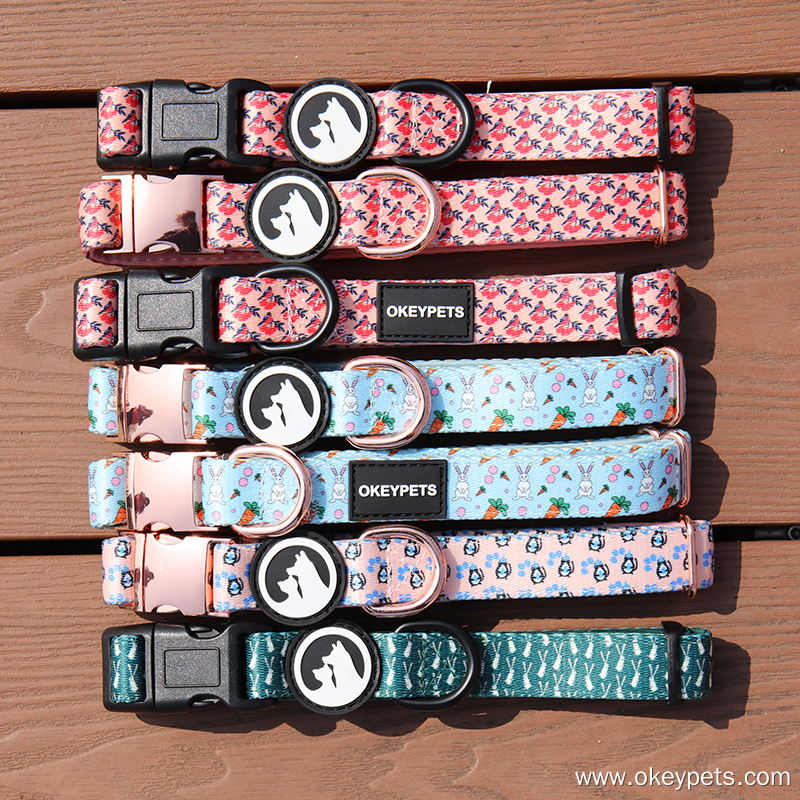
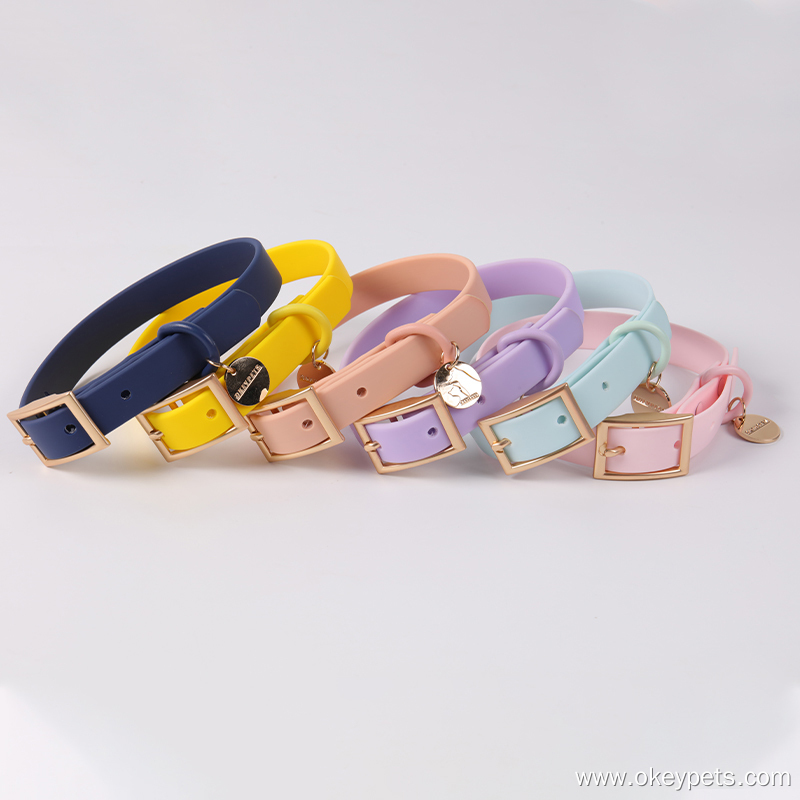
Flat dog collars: Fabric dog collars, leather dog collars, PVC dog collars, LED dog collars are all relatively common flat dog collars, suitable for dogs of all sizes. They are also popular dog collars in the market.
Choke chains: Choke chains are often used for training and are made of metal links that tighten when pulled. They need to be used under the guidance of a professional trainer to avoid harming your dog. Suitable for large dogs such as golden retrievers, Labradors, etc.
GPS dog collars: Currently, dog owners are paying more and more attention to dog safety issues, and GPS dog collars fill this gap. It can track the health and location of pets in real time, which is particularly useful for dogs who are outdoors or owners who want to add a layer of safety protection. It has a very good response in the market.
3. How do I choose the right size dog collar for my dog?
Step 1: Measure the neck circumference
Using a soft measuring tape or string, measure the circumference of your dog's neck to measure where the collar will fit. Make sure there is a space of two fingers between the collar and your dog's neck.
Step 2: Check adjustability
Choose a dog collar with a wide range of adjustability so that if your dog grows or loses weight, you can easily adjust the collar to fit better.
Step 3: Test the fit
After putting the collar on your dog, make sure it is not too tight or too loose. The ideal fit should allow two fingers to fit between the collar and the neck. .
Step 4: Consider growth (for puppies)
If you are buying a collar for your puppy, you need to consider their growth rate. Some collars are designed to be adjustable to expand as your puppy grows.
4. What to look for in finding a perfect dog collar?
When choosing a collar for your dog, if they are sensitive to wearing dog collars, there are several factors to consider
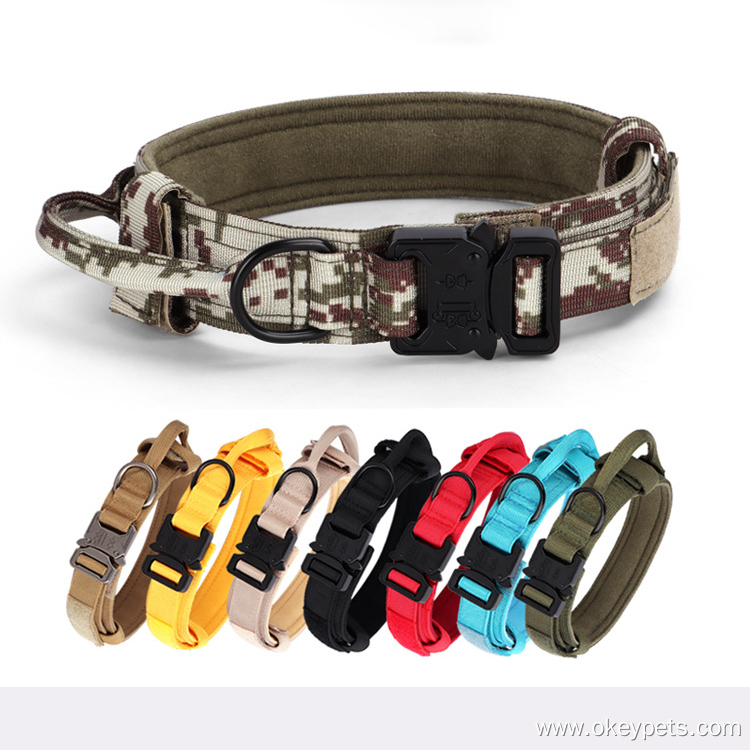
Material: Collars of different materials are suitable for different purposes, such as: PVC dog collars are durable and waterproof, suitable for active or outdoor dogs; nylon dog collars are strong and durable, suitable for training large dogs; leather collars are fashionable, comfortable, and suitable for daily wear.
Additional functions: Dog collars with additional functions bring greater convenience to the pet-keeping community, such as: LED dog collars are safer for walking dogs at night; GPS dog collars have the functions of positioning and health detection.
Width: The width of the collar determines the fit and comfort of the dog. Large dogs such as golden retrievers and Tibetan mastiffs are suitable for wider collars, which can reduce the pressure on the neck. On the contrary, for small dogs such as Chihuahuas and Pomeranians, if the collar is too wide, it will affect the dog's freedom of movement and make them feel uncomfortable.
Aesthetics: When choosing a dog collar, dog owners are no longer limited to ordinary styles. Personalized collars such as festival themes, cartoon themes, and sports themes are becoming more and more popular. OKEYPETS was established in 2014, as a well-known manufacturer with deep expertise, more than 500 brands choose to cooperate with us every year.
Conclusion
Choosing the right dog collar is important. It plays a major role in your dog's safety, comfort, and training. Find a collar that meets your dog's needs by considering your dog's size, behavior, and activity level.
OKEYPETS is a pet product manufacturer with many years of experience in customizing dog harnesses, collars, leashes, and other dog products. We have a complete production system and staffing, with 80 people in the workshop responsible for specific production operations and 20 people in the business team to connect with the market and expand business. We provide a variety of customization services, including custom logos, custom patterns, custom materials, custom sizes, and custom products. If you want to start your dog product business, please contact us.
Recommended