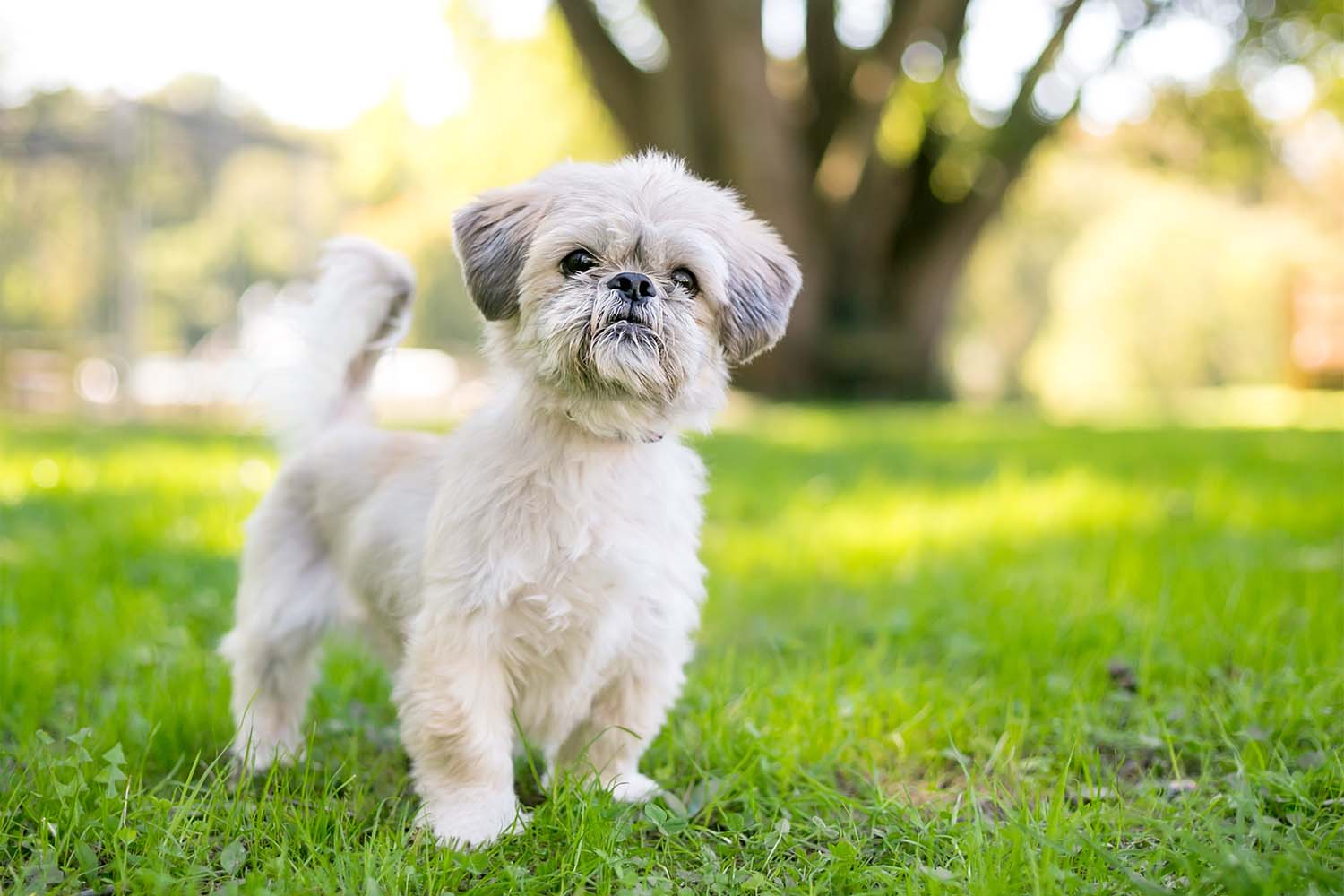
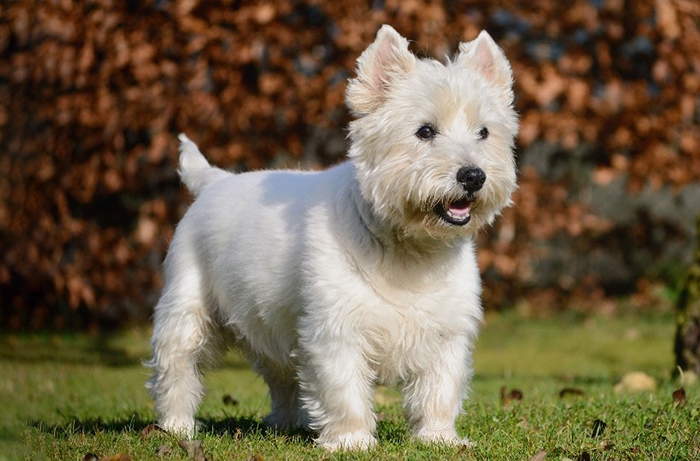
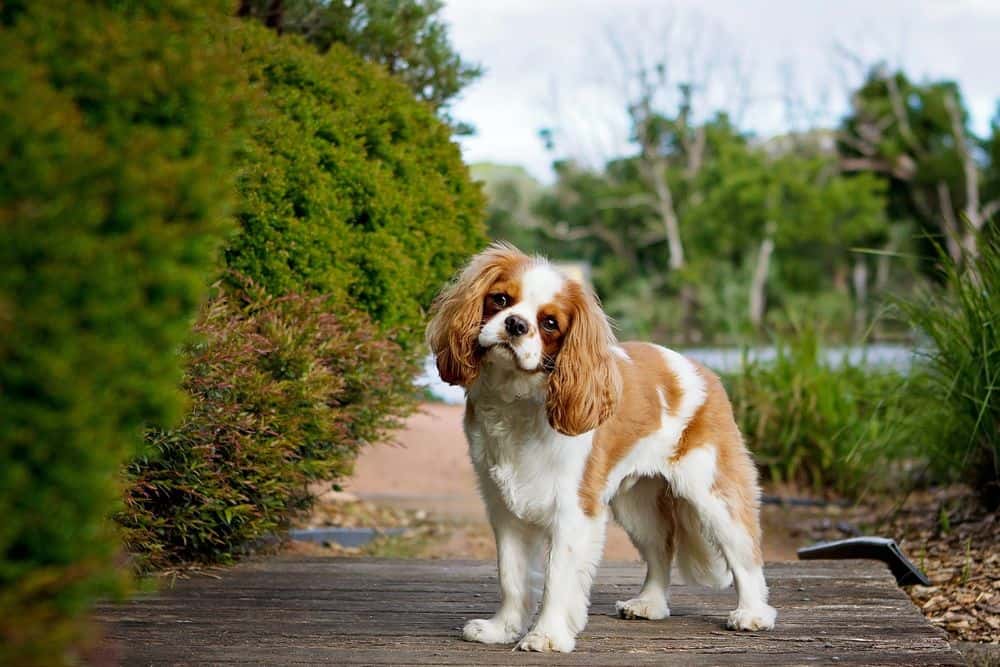
Corgis and dachshunds are indeed notable for their short legs relative to their body size.
This trait is a result of a genetic condition called chondrodysplasia, which affects bone growth.
Here are some other dog breeds with notably short legs:
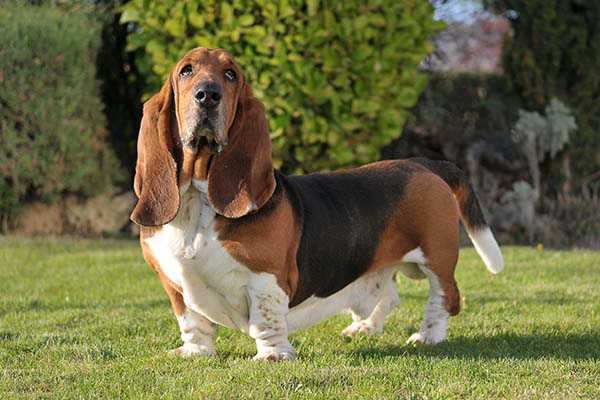
A toy breed with a flowing coat and short legs.
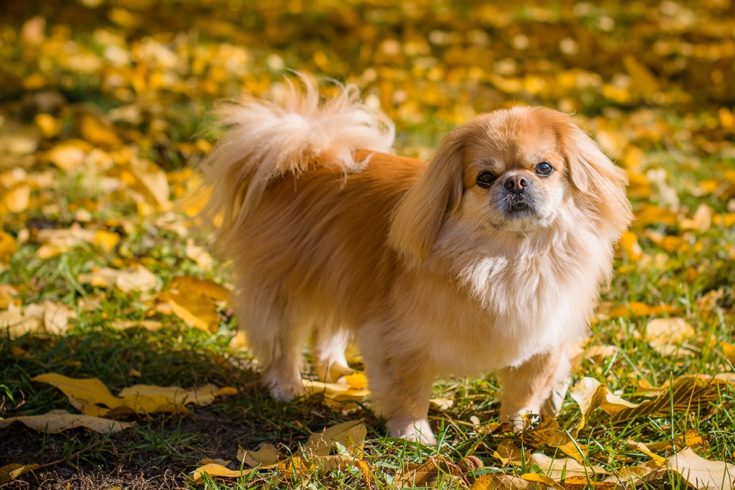
Another toy breed, the Pekingese has a lion-like mane and a distinctively short and bowed leg structure.
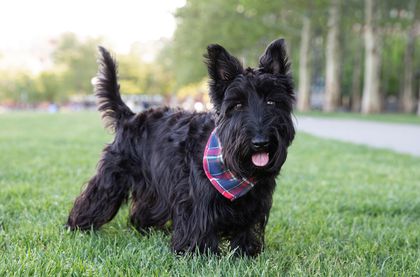
While their legs aren't as short as some of the other breeds mentioned, they are shorter relative to their body, giving them a low-slung appearance.
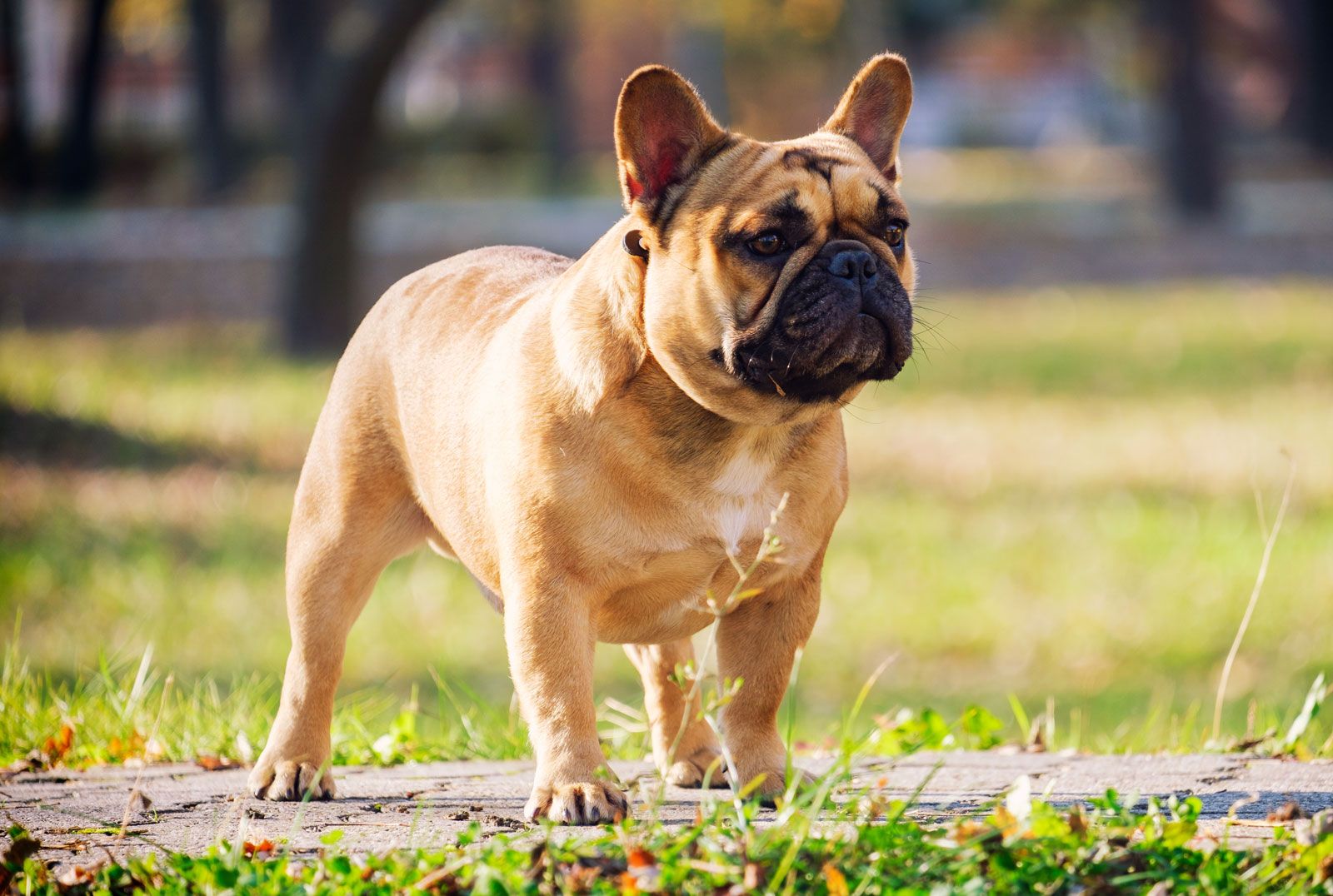
These compact dogs have a broad body, bat-like ears, and short, sturdy legs.
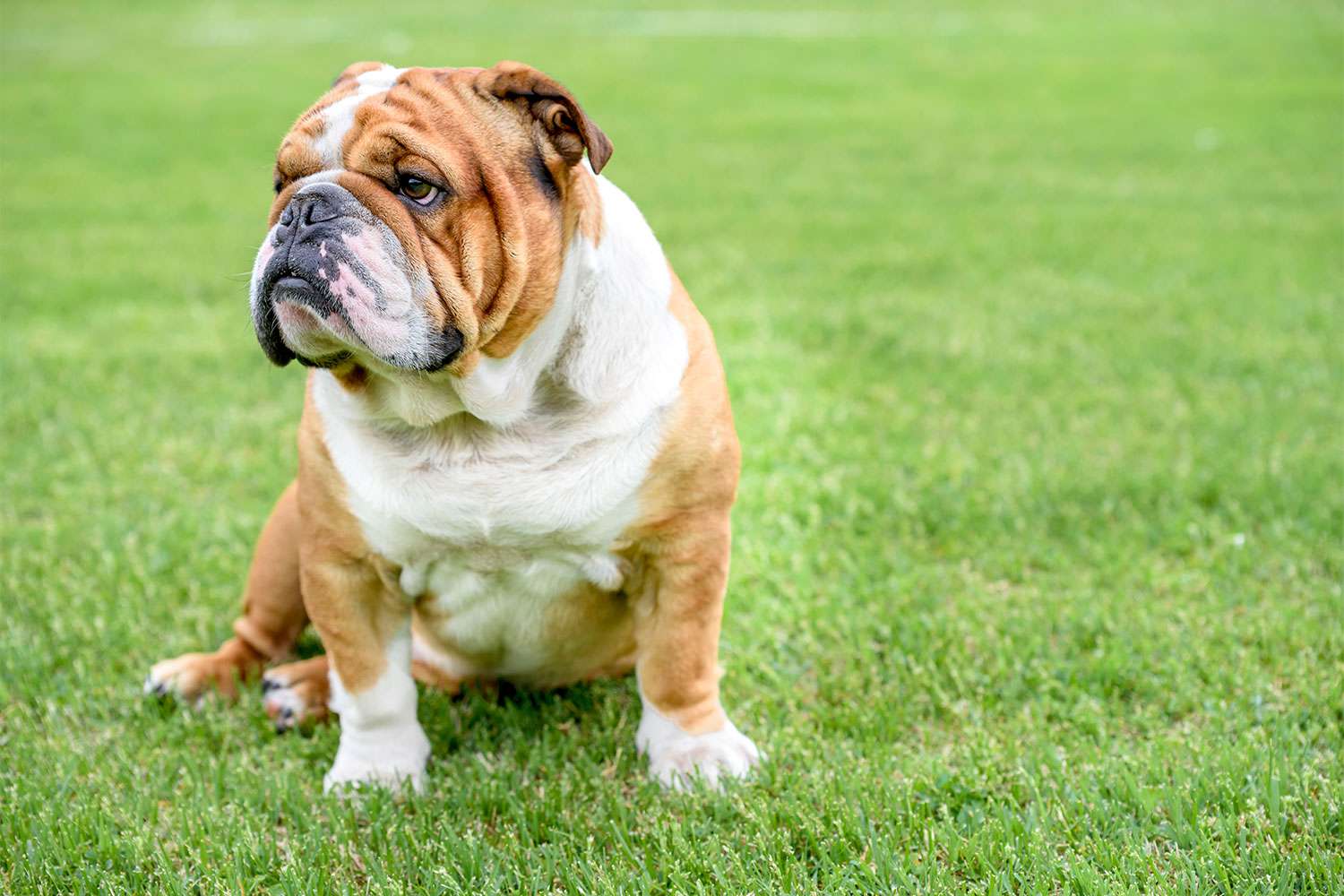
Heavier and more muscular than the French Bulldog, they too have short, stocky legs.
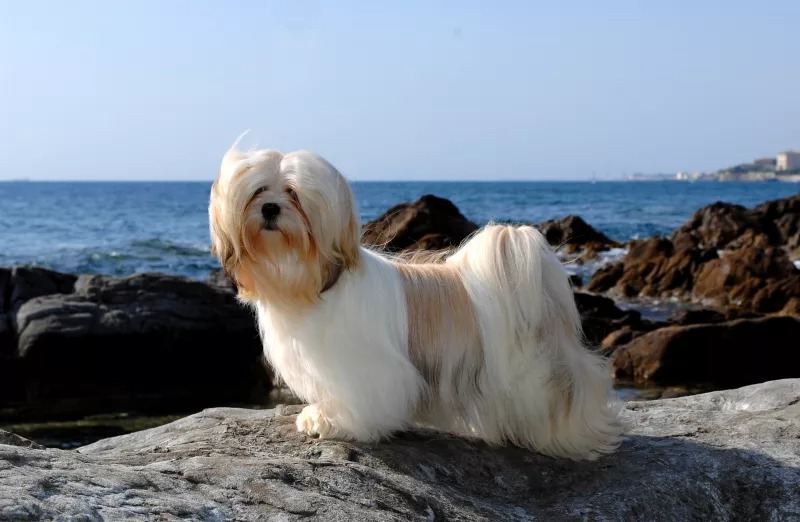
A small dog with a long, flowing coat and short legs.
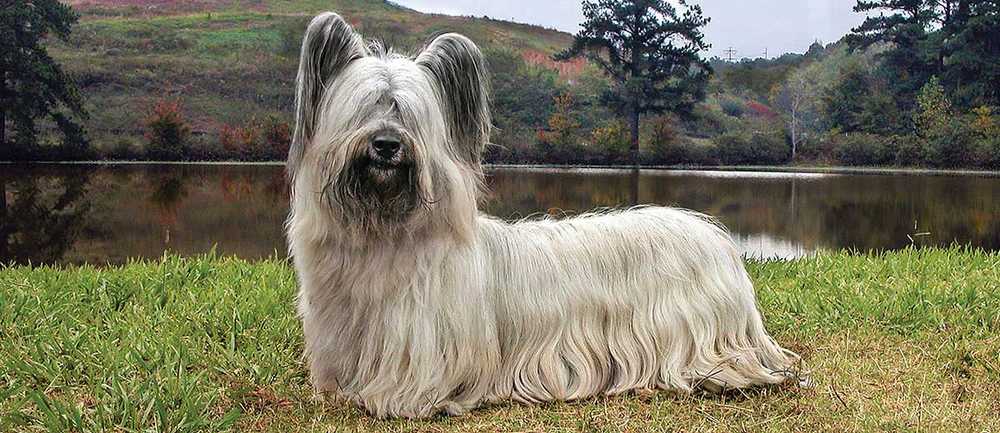
Known for their long, silky coat that flows to the ground, hiding their short legs.
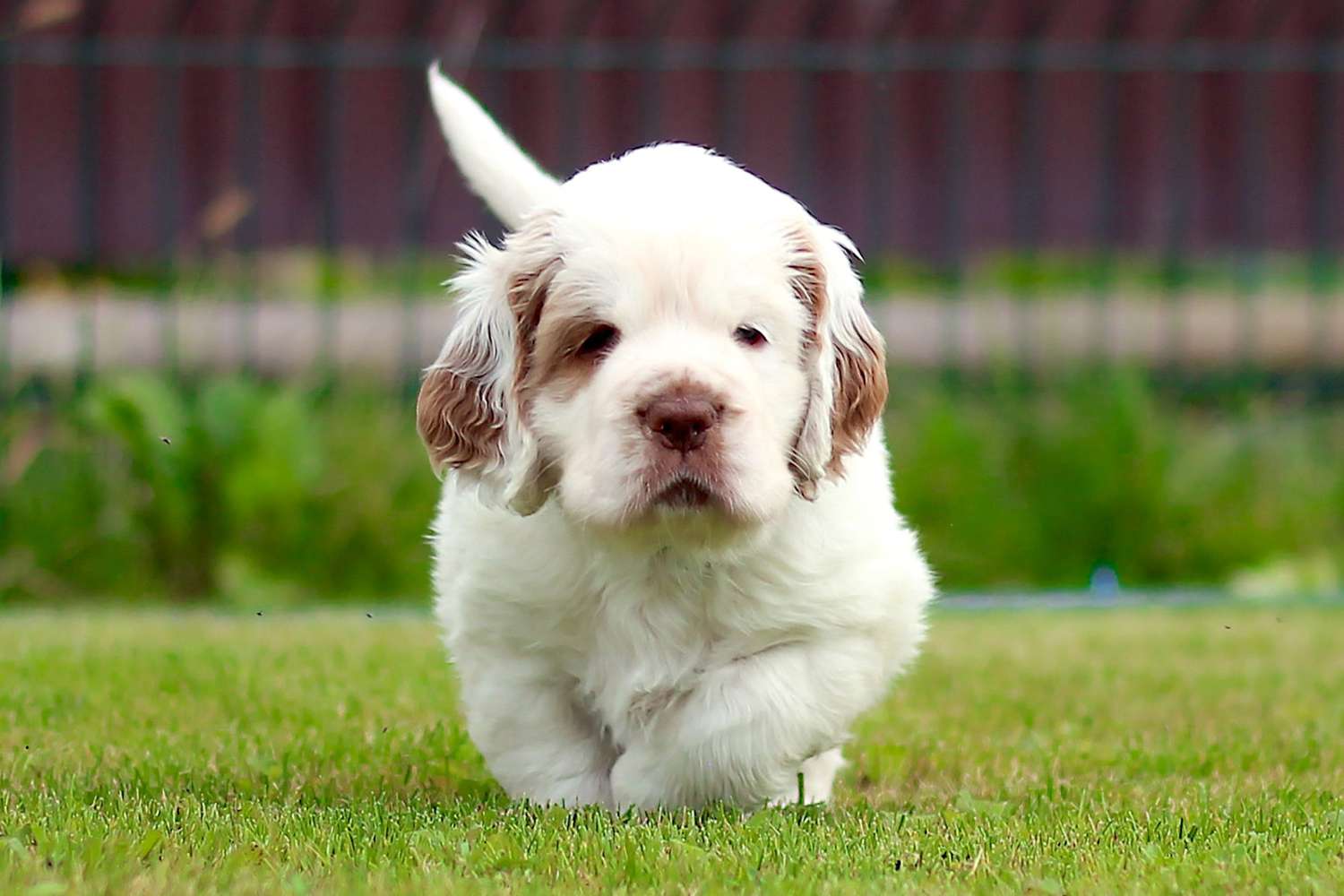
This breed is heavy-boned and low to the ground with a stocky build and short legs.
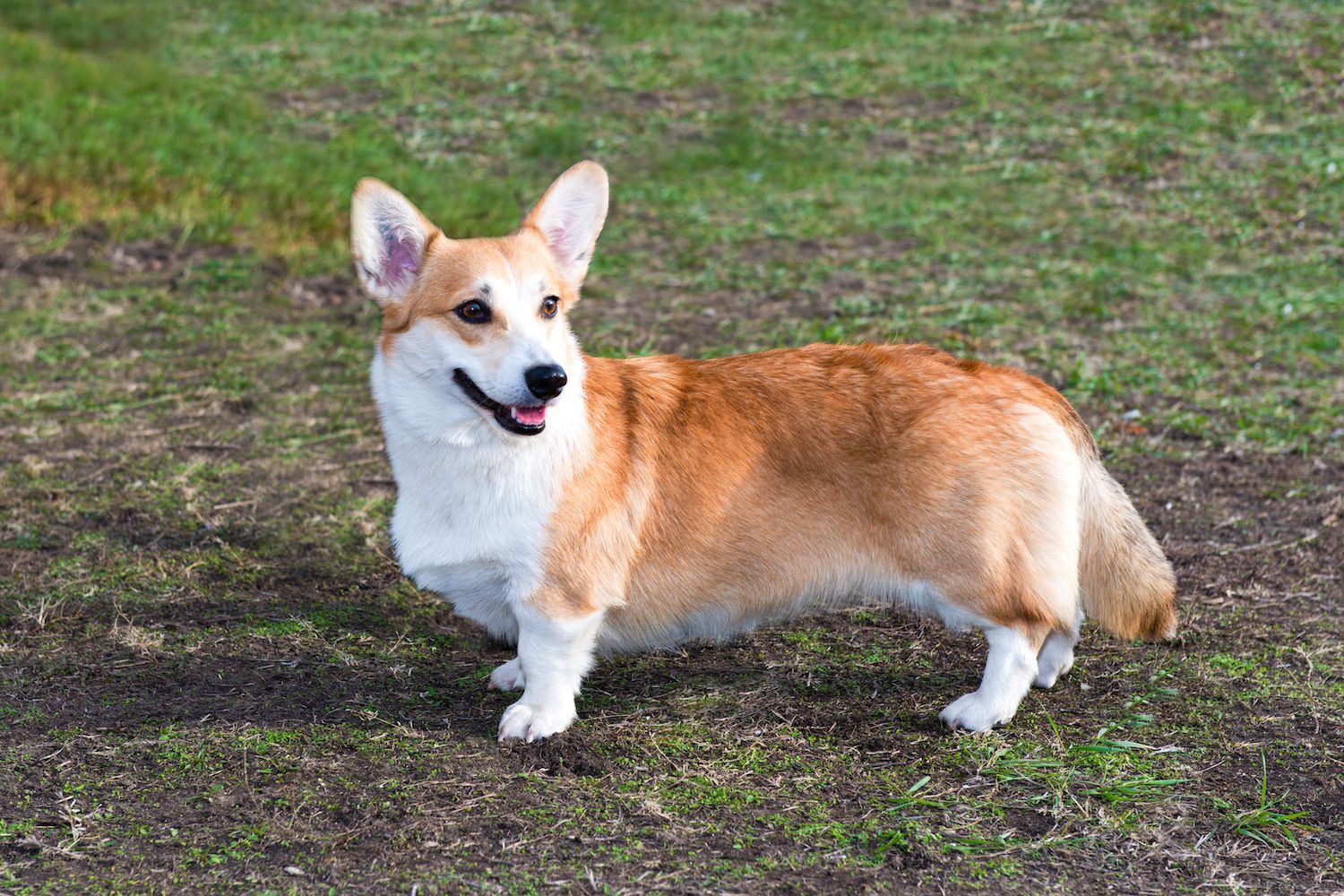
While similar in appearance to the Pembroke Welsh Corgi, they have a longer tail and are slightly larger, but they also have short legs.
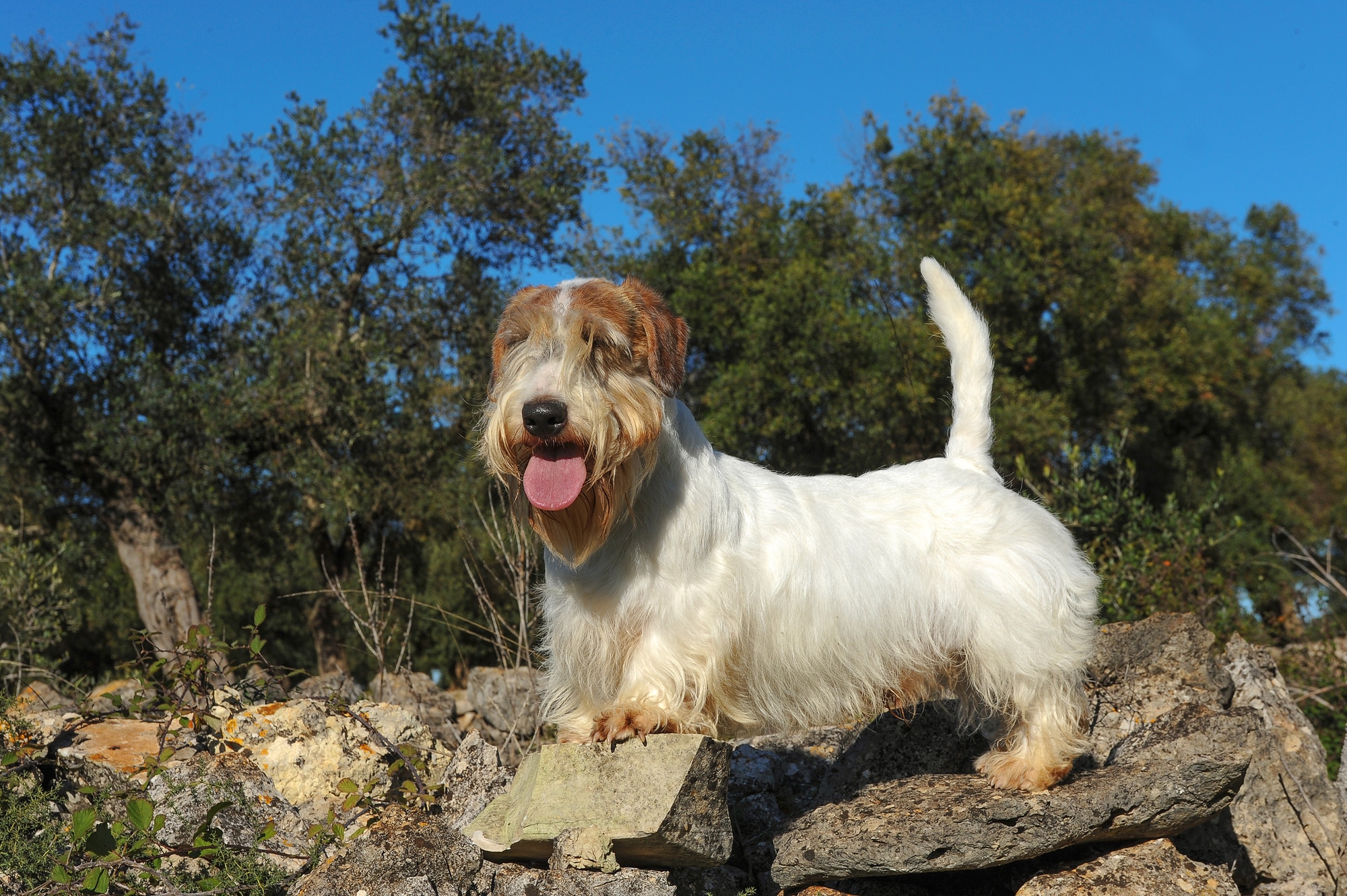
A small, sturdy terrier breed with short legs and a long body.
These breeds have been selectively bred over time for specific tasks or aesthetic preferences that have led to their short-legged appearance.
However, it's essential to understand that these dogs can sometimes have health issues related to their unique skeletal structures.
Always work with reputable breeders and veterinarians to ensure the health and well-being of any dog.
Short-legged dogs may look compact, but fitting them properly is not always as simple as picking an S, M, or L.
A Dachshund, for example, has a long body, relatively narrow shoulders, and a deep chest. A Corgi is also long and low to the ground, but usually has a broader chest and a more solid front end. A Basset Hound brings another challenge altogether: a heavy body, deep chest, and plenty of loose skin.
That is why we always look at body shape before size labels when developing or choosing a dog harness.
For most short-legged dogs, a good everyday harness should offer:
Adjustable neck and chest areas
Enough room for natural shoulder movement
A secure fit without sitting too close to the armpits
Lightweight but durable materials
Soft contact areas around the chest and body
Strong stitching around D-rings and load-bearing points
Easy-to-use buckles for daily walks
The goal is not to make the harness tighter. The goal is to make it fit more naturally.
A harness that twists, rubs behind the front legs, or slides from side to side is usually telling you something: the shape is not quite right for that dog.
From a product development point of view, this is also why adjustability matters so much for short-legged dog harnesses. Two dogs with the same body weight can have completely different chest proportions.
Dachshunds are basically the sports cars of the dog world—low to the ground, long through the body, surprisingly quick, and very confident about where they want to go.
Their unusual proportions also mean that harness fit deserves a little extra attention.
When choosing a Dachshund harness, start with the chest rather than simply relying on body weight.
A Dachshund may have a relatively slim neck but a much fuller chest. A harness with adjustable straps gives you more flexibility to fit those two areas separately.
This is particularly useful when comparing puppies, miniature Dachshunds, standard Dachshunds, and dogs with different coat lengths.
One of the most common fit problems we notice with long-bodied dogs is a chest strap sitting too close behind the front legs.
It may look acceptable when the dog is standing still, but after ten minutes of walking, rubbing can become much more noticeable.
There should be enough space behind the front legs for the dog to walk comfortably without the edge of the harness repeatedly touching the same area.
A short-legged dog already has less clearance between the body and the ground.
An unnecessarily thick or oversized harness can feel clumsy, especially on a smaller Dachshund.
We usually prefer a design that balances lightweight construction, secure webbing, soft padding, and practical adjustability.
Do not judge fit only while your dog is standing nicely for a photo.
Let the dog walk.
Watch the shoulders.
Look at the chest panel.
Check whether the harness rotates.
Make sure the straps stay in position when the leash is attached.
A good fit should still look good when your Dachshund suddenly decides that one particular leaf on the sidewalk requires a full investigation.
Corgis may share the “long body, short legs” look, but their proportions are different from a Dachshund.
Many Corgis have a broader chest, stronger shoulders, and a surprisingly athletic build. Anyone who has walked an enthusiastic Corgi already knows that those little legs can generate plenty of forward power.
For a Corgi harness, we normally pay close attention to chest fit, strap position, and stability.
The harness should sit securely around the chest without shifting dramatically from side to side.
If the front section is too loose, the entire harness may rotate when the dog changes direction.
If it is too tight, movement can become restricted.
The right fit sits somewhere in the middle: secure, but not squeezed.
This is something we pay close attention to when developing dog harness patterns.
The front construction should not unnecessarily block the natural movement of the shoulder.
For active dogs such as Corgis, freedom of movement matters during daily walking, outdoor play, and longer adventures.
Corgis may not be large dogs, but many are strong pullers.
That means the buckle, D-ring, webbing, adjusters, and reinforced stitching should all match the intended use of the product.
A cute print is great.
A cute print combined with dependable construction is much better.
For warmer climates or longer walks, mesh, lightweight polyester, breathable padding, and carefully selected lining materials can make a noticeable difference in everyday comfort.
This is one reason material selection is not only about appearance.
In product development, we always look at how the fabric feels, how much structure it provides, how easily it dries, and how it behaves after repeated use.
Buying a harness based only on breed or weight is one of the easiest ways to end up with the wrong size.
Before choosing a dog harness size, take a few simple measurements.
Measure around the widest part of the dog's chest, usually just behind the front legs.
Keep the measuring tape close to the body without pulling it tight.
This is often the most important measurement for harness sizing.
Depending on the harness design, measure around the lower neck where the harness naturally sits.
This is different from measuring high on the neck for a traditional collar.
Not every harness requires this measurement, but it can be useful for long-bodied breeds such as Dachshunds and Corgis, especially when comparing harness styles with larger chest or back panels.
A Medium from one supplier may fit very differently from a Medium from another.
That is why we recommend choosing by actual measurements first and size name second.
After putting the harness on, check the fit again while your dog is standing and walking.
The straps should feel secure without digging into the body, and the harness should remain stable when gentle leash pressure is applied.
We are often asked whether short-legged dogs should wear a collar or a harness.
In everyday life, it does not have to be an either-or decision.
A collar is useful for identification tags and can be very convenient for daily wear.
A harness is commonly chosen for leash walking because it distributes leash connection around a larger area of the body rather than attaching only at the neck.
The better question is:
What does your dog need for this particular situation?
For example:
A lightweight collar may work well for ID tags.
An adjustable harness may be more practical for daily walks.
A more secure harness can be useful for active outings or dogs that tend to back out of loose-fitting gear.
A matching collar, harness, and leash set can provide both practical function and a coordinated look.
The most important thing is still fit.
Even the most expensive harness will not perform well if the straps are sitting in the wrong position.
After working with different harness shapes, materials, webbing constructions, buckles, and dog body types, we have learned that small details can make a big difference.
When developing a harness for everyday use, these are some of the areas we pay close attention to.
More adjustment gives owners greater flexibility when fitting dogs with different chest and neck proportions.
The webbing needs to balance strength, flexibility, comfort, and appearance.
Depending on the collection, this may include polyester webbing, nylon webbing, printed webbing, or custom jacquard webbing.
Neoprene, mesh, soft polyester, velvet, corduroy, and other lining materials can create very different wearing experiences.
The material should match the purpose of the harness, not just the visual style.
Hardware should be selected according to harness size, intended pulling load, product positioning, and the overall design.
Plastic buckles can keep a product lightweight, while metal hardware may create a more premium appearance and different structural characteristics.
Areas around the leash attachment, webbing junctions, handles, and buckles usually take more stress during use.
These points deserve more attention than decorative stitching.
As product developers, this is where we spend a lot of time testing prototypes and making small adjustments that most customers may never notice—but often feel during everyday use.
For pet brands developing collections for Dachshunds, Corgis, small dogs, or other distinctive body types, customization can go much further than simply printing a logo on an existing harness.
A well-planned custom dog harness program can include:
Custom harness shape and sizing
Custom neck and chest adjustment ranges
Custom polyester or nylon webbing
Custom printed or jacquard patterns
Custom embroidery
Custom logo labels
Custom PVC or rubber logos
Custom buckle colors
Plastic or metal hardware options
Custom D-rings and adjusters
Custom lining and padding materials
Matching dog collars and leashes
Custom packaging and private labeling
For brands, one of the most useful steps is to think about the target dog before deciding on the final design.
Are you designing for a broad small-dog market?
A Dachshund-focused collection?
Corgis?
French Bulldogs?
Or a lifestyle collection that needs to work across several body shapes?
Those answers can influence everything from strap length and chest coverage to fabric weight and hardware size.
At OKEYPETS, we develop and manufacture custom dog harnesses, collars, leashes, and matching pet accessory collections for private-label and OEM/ODM projects.
Our product development work includes material selection, pattern customization, sizing, webbing, logo applications, hardware, packaging, sampling, and bulk production.
For us, a good-looking harness is only part of the job.
It also has to make sense when a real dog actually wears it.
Before buying or developing a harness, check these points:
Is the chest measurement correct?
Can the neck and chest be adjusted separately?
Does the harness stay away from the armpits?
Can the shoulders move naturally?
Does the harness remain stable while walking?
Is the material suitable for the dog's activity level?
Are the buckle, D-ring, webbing, and stitching appropriate for the dog's size and strength?
Does the product still fit comfortably after several minutes of movement?
Short legs may be the first thing we notice about these dogs, but good harness fit is really about understanding the whole body.
And once you start looking at dogs that way, choosing the right harness becomes much easier.
QUICK LINKS
PRODUCTS
CONTACT US
Copyright © 2026 | GUANGZHOU OKEYPETS PRODUCTS CO.,LTD - www.okeypets.com All Rights Reserved. | Privacy Policy