



In this blog, we'll explore why exercise is crucial for dogs, how much activity different types of dogs need, and how to keep your furry friend in top shape.
How Much Exercise Does Your Dog Need?
2025-10-10
Table of Contents
Dogs are naturally active, and regular exercise is crucial for their happiness, health, and good behavior. Whether you have a small breed or a large working dog, understanding their exercise needs is crucial for their overall well-being. But how much exercise does your dog really need? Are short walks enough? Or should they engage in more intense activity?
Every dog is unique, and their exercise needs depend on factors like age, breed, size, and overall health. Some dogs enjoy a stroll around the block, while others require intense playtime to burn off energy. In this blog, we'll explore why exercise is crucial for dogs, how much activity different types of dogs need, and how to keep your furry friend in top shape.

Why is exercise important for your dog?
Exercise isn't just important for your dog's physical health; it's also crucial for their mental health. Dogs who get regular exercise are less likely to develop behavioral problems, such as excessive barking, chewing, or anxiety-related issues. Here are some reasons why exercise is crucial for dogs:
● Helps maintain a healthy weight – Just like humans, dogs can gain weight if they don't get enough exercise. Keeping your dog active helps prevent obesity, which can lead to serious health problems like diabetes and joint issues.
● Improves joint and muscle health – Exercise strengthens muscles, improves flexibility, maintains joint health, and reduces the risk of arthritis and other mobility problems.
● Promotes mental stimulation – Dogs need mental challenges just as much as physical ones. Activities like fetching balls, agility training, and interactive games keep their minds sharp and prevent boredom. Ensuring your dog gets daily physical and mental exercise will keep them happy, active, and balanced.
● Strengthens the bond between pet owners – Exercising together helps build a strong bond between you and your dog, fostering trust and companionship.
● Reduces anxiety and destructive behavior – Dogs who don't get enough exercise may develop anxiety, leading to destructive behaviors like chewing furniture or digging holes in the yard.
Now that we understand why exercise is so important, let's look at how much activity your dog actually needs.
How Much Exercise Does Your Dog Need?
1. Breed-Specific Exercise Needs
● High-energy breeds (such as Border Collies, Huskies, and Labrador Retrievers) require at least 1.5 to 2 hours of exercise daily. These breeds are naturally suited to work and have great endurance.
● Medium-energy breeds (such as Bulldogs, Cocker Spaniels, and Beagles) require approximately 45 minutes to an hour of exercise daily. They enjoy playtime but don't need excessive activity.
● Low-energy breeds (Pugs, Shih Tzus, and Basset Hounds) require approximately 30 minutes of light activity daily, such as short walks and gentle play.
2. Age-Based Exercise Needs
● Puppies: They have high energy levels but also need breaks. Short, frequent play sessions of 10-15 minutes several times a day are ideal.
● Adult dogs: They require structured exercise tailored to their breed and energy level.
● Senior dogs: Slow walks and gentle play can keep them mobile and prevent joint strain. The recommended daily activity time is approximately 30 minutes.
3. Size and Health Considerations
● Small dogs have shorter legs and may tire more easily, but they still need daily exercise to stay healthy.
● Large breeds typically require more vigorous exercise to burn off excess energy.
● Dogs with health conditions such as arthritis or heart disease may need low-impact activities like swimming to stay active without putting stress on their joints.
Understanding the appropriate amount of exercise for your dog will help ensure they get the right balance of activity to stay healthy and happy.
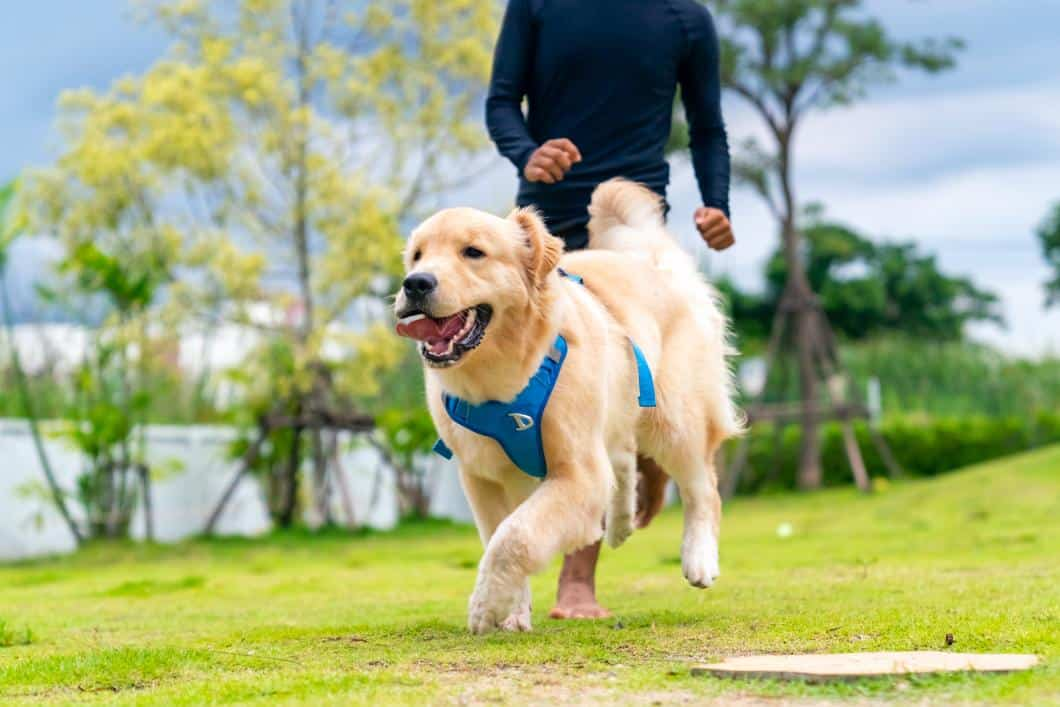
What kinds of exercise can dogs do?
Dogs appreciate variety, so their daily exercise should include different activities to keep them engaged. Here are some types of exercise you can introduce to your dog:
● Walking and Hiking – Daily walks are essential for all dogs, providing both exercise and the opportunity to explore their surroundings. Hiking is a great option for active dogs who enjoy the outdoors.
● Running and Jogging – Energetic breeds are great for running with their owners. Running helps burn excess energy and strengthens muscles.
● Fetch and Tug of War – These games not only exercise your dog's body but also stimulate their mind.
● Swimming – A great low-impact exercise, especially for older dogs or those with joint issues.
● Agility Training – Setting up an obstacle course or using agility equipment can help improve coordination and focus.
● Interactive Toys and Puzzles – Mental stimulation is just as important as physical exercise. Treats and toys like the Dogsee Treatoy can make playtime more engaging while also fostering healthy chewing habits.
● Obedience Training – Training sessions reinforce good behavior while keeping their minds active.
By mixing these activities, you can create a well-rounded exercise program for your dog.
3 Best Exercises for Keeping Your Dog Healthy
While all exercise is beneficial, some are particularly helpful for keeping your dog in top shape. Here are three great exercises every dog can enjoy:
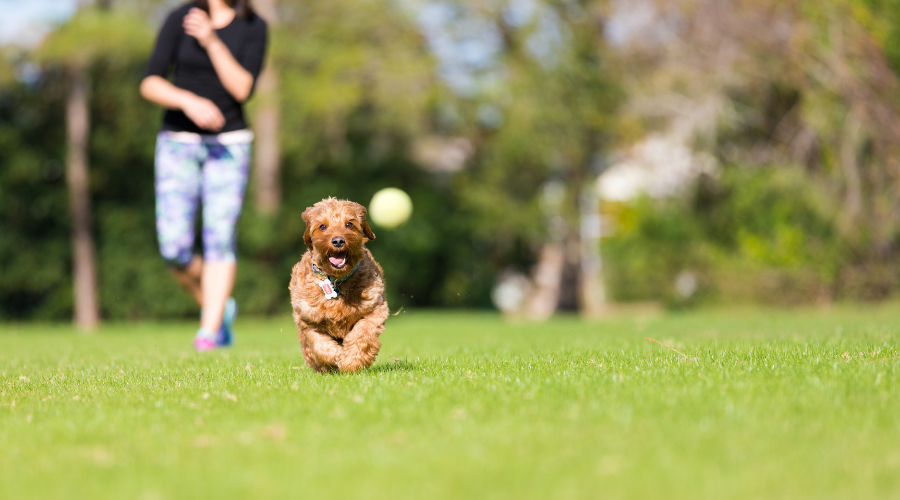
● Dog fetch ball
Playing fetch is a great way to develop your dog's physical and mental strength. To increase the challenge, try using different objects like a ball, a Frisbee, or even their favorite toy. This variety keeps your dog excited while also exercising their entire body.
● Obstacle Course
Build a homemade agility course in your backyard with tunnels, jumps, and weave poles. This activity not only develops coordination, obedience, and confidence, but also gives your dog plenty of exercise.
● Swimming Lessons
If your dog loves water, swimming is one of the best low-impact exercises. It strengthens muscles without putting stress on joints, making it a great option for older dogs or those recovering from illness.
Incorporating these activities into your dog's daily routine will keep them healthy, happy, and mentally sharp.
Conclusion
Regular exercise is essential for a healthy and happy dog, regardless of their breed, age, or size. Physical activity can prevent obesity, build muscle, relieve anxiety, and enhance the bond between you and your pet. The appropriate type and amount of exercise depends on your dog's fitness level, health, and personal preferences.
From daily walks to interactive play and structured exercise, there are many ways to keep your furry friend active. Understanding their exercise needs and ensuring they receive the right amount of physical and mental stimulation will lead to a healthier, more fulfilling life for your beloved companion.
So, the next time you take your dog out for a walk, remember—you're not just taking them for a stroll. You're contributing to their overall health, happiness, and longevity!
Frequently Asked Questions (FAQs):
1. How much exercise does my dog need daily?
A: The amount of exercise depends on the dog's breed, age, and energy level. Some dogs require 30-60 minutes of exercise daily, while more energetic breeds may require up to two hours of activity daily.
2. What happens if my dog doesn't get enough exercise?
A: Lack of exercise can lead to obesity, behavioral problems, anxiety, and health problems like joint stiffness and cardiovascular disease.
3. Can I over-exercise my dog?
A: Excessive exercise can strain their joints, leading to exhaustion or injury, especially in puppies, senior dogs, and brachycephalic breeds (dogs with flat faces and short noses, such as pugs and bulldogs).
4. What type of exercise is best for dogs?
A: Activities like walking, running, fetching, agility training, swimming, and playing with interactive toys can help keep dogs physically and mentally active.
5. Is walking enough exercise for my dog?
A: While walking is important, energetic breeds need additional activities like play, agility, or interactive games to burn off excess energy.
ReviewsNumber of comments: {{ page.total }}
I want to comment?
{{item.nickname ? (item.nickname.slice(0, 2) + '*****') : item.source === 1 ? 'mall buyer' : '--'}}
{{item.comment_time}}
Review in the {{item.country}}
Reviews
Merchant
{{replyItem.nickname ? (replyItem.nickname.slice(0, 2) + '*****') : replyItem.source === 1 ? 'mall buyer' : '--'}}
{{replyItem.parent_nickname ? (replyItem.parent_nickname.slice(0, 2) + '*****') : '--'}}
{{replyItem.is_merchant_reply === 1 ? replyItem.reply_time : replyItem.comment_time}}
Review in the {{replyItem.country}}
Reviews

No customer reviews
Recommended for you
Get in touch with us
OKEYPETS specializes in providing high-quality dog harnesses, collars, leashes, and other pet accessories. We are committed to quality and customization to ensure that your products not only look great, but also provide a sense of comfort and safety.
QUICK LINKS
PRODUCTS
CONTACT US
Contact Person: OKEYPETS Bella
TEL/WHATSAPP: +8618319574312
E-MAIL: sale@okeypets.com
ADD: No. 777, Helong First Road, Helong Street, Baiyun District, Guangzhou, Guangdong, China,. 510000
Copyright © 2026 | GUANGZHOU OKEYPETS PRODUCTS CO.,LTD - www.okeypets.com All Rights Reserved. | Privacy Policy