



Table of Contents
How To Choose Suitable Dog Collar: 2025 Buying Guide
2025-02-28
In modern pet-raising life, dog collars are essential equipment for dogs when going out. They are not only related to the safety of dogs' daily travel, but also closely related to their comfort. A suitable collar can effectively control the dog's movements during a walk to prevent it from getting lost or accidents; at the same time, it can also prevent damage to the dog's body due to discomfort. However, there are many types of dog collars on the market, with different materials, styles, and functions, which often confuses dog owners when choosing. This post will deeply analyze the key elements of dog collars and provide dog owners with a scientific and practical purchase guide to help them choose the collar that best suits their dogs and ensure their dogs' healthy and happy lives.
How Popular Are Dog Collars?
In recent years, as the global pet-raising craze continues to heat up, the dog collar market has shown a booming trend. According to data from market research institutions, the global pet products market has grown at an average annual rate of about 10% over the past five years. Among them, dog collars are core categories, with global sales reaching nearly US$5 billion and sales exceeding 300 million pieces in 2023.
In the domestic market, with the improvement of residents' living standards and the change of pet-raising concepts, the market size of pet dog collars in China will be about RMB 8 billion in 2023, and the growth rate will remain above 15% for three consecutive years. From the growth trend, on the one hand, the number of pet owners has steadily increased, providing a huge consumer base for the market; on the other hand, consumption upgrades have prompted dog collars to develop in the direction of high quality and multi-function, further raising the average price of single products. It is expected that the global and Chinese market sizes will continue to expand at an annual growth rate of about 12% and 20% respectively in the next five years.
Factors To Consider When Choosing A Dog Collar
Choose The Collar According To The Dog's Neck Size
Accurately measuring the dog's neck circumference is the first step in choosing the right collar. The right collar size can ensure that the dog can move freely and avoid breathing difficulties and skin abrasion caused by being too tight, and can also prevent the collar from falling off and the dog from getting lost due to being too loose.
Generally speaking, based on the measured neck circumference, add 2-3 cm to the appropriate collar circumference to ensure that two adult fingers can be inserted, so that the dog has appropriate space for daily activities. It should be noted that factors such as dog growth, weight changes, and changes in hair thickness will affect the neck circumference. It is recommended to re-measure every 3-6 months. For example, during the rapid growth period of puppies, the neck circumference may change every month. It is very important to adjust the collar size in time.
How To Measure Dog's Neck Circumference?
When measuring, prepare a tape measure and let the dog stand or sit naturally and stay relaxed. Gently wrap the tape measure around the thickest part of the dog's neck, usually the base of the neck near the shoulder. Note that the tape measure should be horizontal and fit the skin, not too tight or too loose. The value of the tape measure is the neck circumference. For dogs that are active and uncooperative, you can try to distract them with snacks, or work with two people, one to comfort the dog and the other to measure.
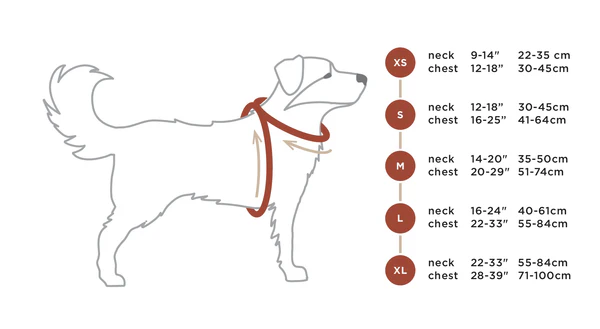
For dog breeds with slender bodies and special neck proportions such as dachshunds, when measuring, you must find the position that best reflects the daily wearing comfort, usually the middle of the neck near the shoulder, to ensure that the collar will not shift and strangle the neck due to twisting of the body; for short-nosed dogs such as pugs, the measurement should be quick and accurate to avoid the tape measure pressing on the mouth and nose for a long time and affecting breathing. When choosing a collar for them, pay more attention to the width to prevent compression of the trachea.
How To Know If The Collar Is Suitable?
The neck structure of the same dog breed varies greatly, so different types of collars are suitable. For example, the small Chihuahua has a slender neck and fragile bones, so it is suitable for a nylon collar with a moderate width (about 1-1.5 cm) and soft material, which can not only reduce the sense of weight but also avoid strangulation.
On the other hand, the large Golden Retriever has a thick neck and well-developed muscles, so it needs a durable leather or thickened nylon collar with a width of 3-4 cm to ensure that it can withstand the tensile force when it bursts. There was a Golden Retriever owner who did not understand it in the early stage and put a narrow collar on the dog. When walking the dog, the dog pulled it a little harder, and the collar was embedded in the skin, causing redness, swelling and abrasions. The problem was solved after replacing the appropriate collar.
Choose A Collar Based On Your Dog's Hair Type
Dogs have a variety of hair types, from short hair, long hair to curly hair, and different hair characteristics have special requirements for collar materials. Short-haired dogs are more likely to come into contact with collars, and improper materials can easily cause friction damage or allergies; long-haired and curly-haired dogs are more likely to get tangled with collars, and even affect skin ventilation and heat dissipation, causing skin diseases, so you need to carefully select collar materials based on the characteristics of their hair.
Choosing collar materials for short-haired dogs
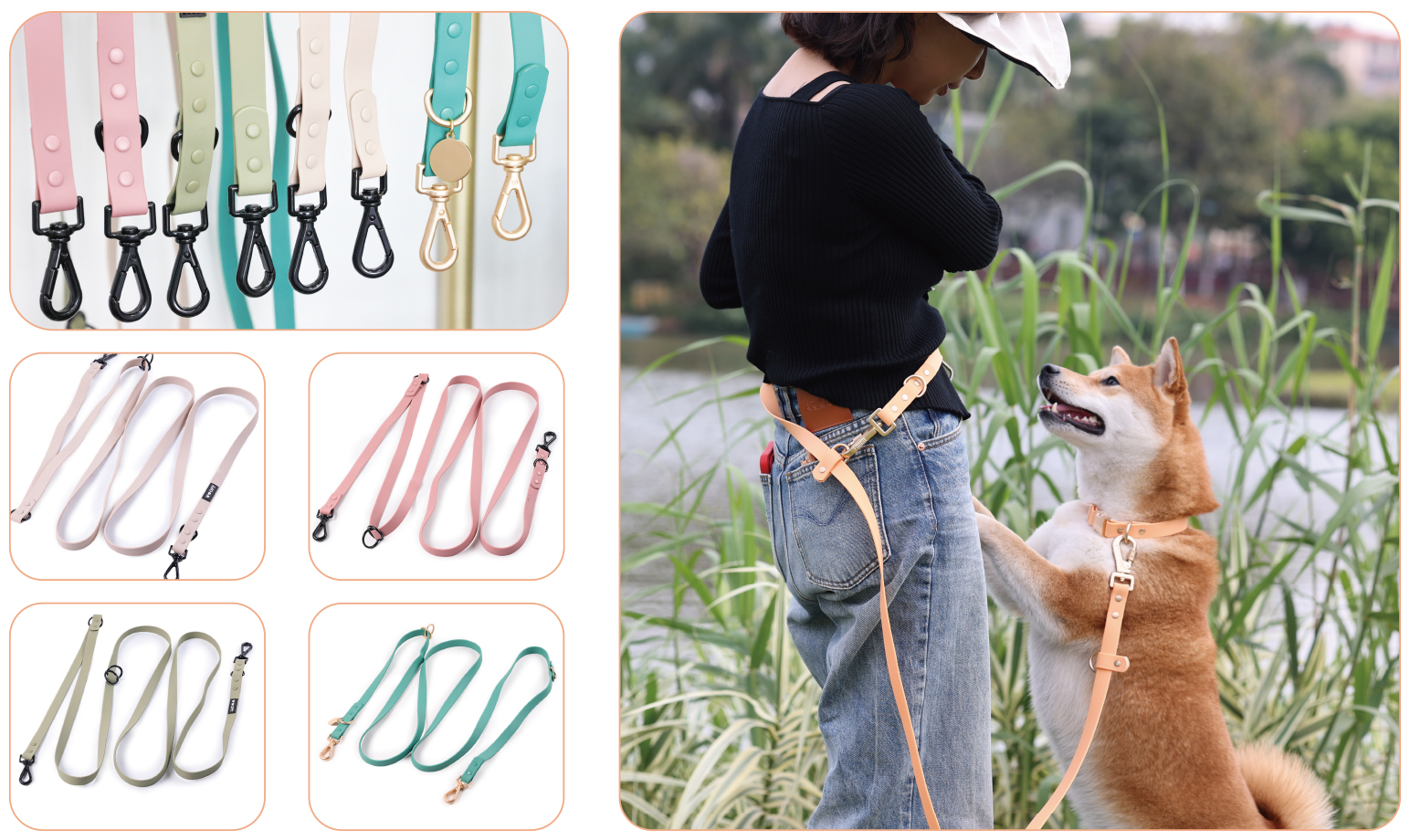
Short-haired dogs such as bulldogs and Dobermans have more exposed skin. Nylon collars are light, wear-resistant, and affordable. They have a smooth surface that is not easy to snag hair and can dry quickly. They are suitable for short-haired dogs who love sports, sweat easily, or often come into contact with water. Leather collars are soft and resilient, fit the skin comfortably, and will fit the dog's neck contour more with use. However, you need to pay attention to the wearing time during high temperatures in summer to prevent stuffiness and sweating. Take bulldogs as an example. They have a lot of daily activities and many skin wrinkles. Nylon collars can reduce the risk of friction on wrinkles and are easy to clean. If they are stained with dirt or saliva, they can be restored to cleanliness by simply wiping or washing with water, ensuring the health of the dog's skin.
Choosing collar materials for long-haired and curly-haired dogs
Long-haired dogs such as Samoyeds and Alaskans have thick and fluffy hair. If you use an ordinary flat collar, the hair can easily get stuck in the gap between the collar and the neck, which not only causes pulling pain, but also hinders the breathing of the skin. At this time, a leather collar with a smooth surface and cylindrical shape is preferred, which can minimize the chance of hair entanglement; you can also choose a nylon collar with anti-hair design, such as a special coating or texture on the inside to reduce friction.
Curly-haired dogs such as poodles have curly and fine hair, and they need anti-hair collars. Check the hair around the collar regularly and clean it in time to prevent it from being too tight and affecting blood circulation. A Samoyed owner once reported that after switching to a cylindrical leather collar, the hair on the dog's neck no longer got tangled, and the problem of skin itching was significantly reduced, which confirms the importance of suitable materials for long-haired and curly-haired dogs.
Choose a collar based on your dog's behavior
The diversity of dogs' daily activities, such as exercise intensity, walking habits, play characteristics, etc., has significantly different functional requirements for collars. Understanding these behavioral details can accurately locate the appropriate type of collar, taking into account the dog's freedom of movement and safety.
Dog exercise intensity
Different dog breeds have very different athletic abilities. Border Collies and Huskies are athletes who need long hours of high-intensity outdoor activities every day. Border Collies are agile and have strong explosive power when playing with Frisbees and chasing; Huskies have amazing endurance and are full of energy when running.
When choosing collars for these dogs, stability and durability are the key. In terms of material, thick nylon or leather is preferred, which can withstand frequent pulling and friction; the structural design should be simple and compact to avoid unnecessary pendants from swinging and tripping during exercise. For example, professional outdoor adventure dog collars are mostly made of double-layer nylon weaving, with built-in steel wire to enhance toughness, and metal buckles that are rust-proofed to ensure that the collar does not loosen or break when traveling through mountains and jungles, firmly protecting the dog's safety.
Dog's Walking Habits
Some dogs develop good habits of accompanying after training, such as golden retrievers and Labradors. When walking, they walk steadily and follow closely beside or behind their owners. These dogs are suitable for ordinary comfortable collars, with the focus on soft materials and appropriate width to make the dogs feel relaxed and comfortable.
On the contrary, some dogs are prone to excitement and burst, such as Teddy and Pomeranian, who are like wild horses when walking. For them, they need to be equipped with collars with burst suppression functions, such as walk-in harnesses. When the dog rushes forward, the force points are dispersed to the chest and forelimbs, with strong restraint, which can correct the direction in time and guide the dog back to the owner to avoid the risk of strangulation.
Choose A Collar Based On Your Dog's Personality
Choosing Collars For Docile Dogs
Dogs with gentle personalities, such as Bichon Frise and Pomeranian, are usually quiet and close to their owners. Therefore, they should pay more attention to the comfort and appearance of their collars. The preferred material is soft and skin-friendly cloth dog collars or leather dog collars to reduce the burden on the neck. The design can be integrated with exquisite embroidery, small bows and other decorations. The colors are elegant and fresh, which complement the gentle temperament of the dog. It can also show the cuteness when sharing cute photos on social platforms, enhance the overall image of the dog, and make its appearance more coordinated.
Choosing Collars For Active Dogs
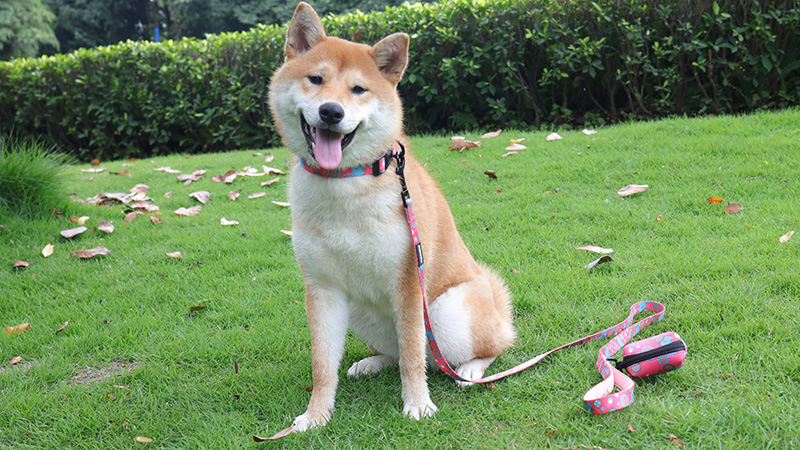
Shiba Inu is a typical example. This type of lively, curious dog is full of energy and has a strong desire to explore. The appropriate collar should be strong and durable, and can withstand frequent pulling and biting. Nylon material with medium to high strength and wear resistance is the first choice, such as nylon collar/PVC collar, which has excellent tear resistance; adjust the collar size to ensure that the collar fits well without hindering the dog's fun, allowing it to play and run freely and release its nature.
Common Materials for dog collars
Leather collars are mostly made of cowhide and sheepskin. The natural texture is beautiful and atmospheric. It is soft and fits the neck curve. It has good breathability, allowing the dog's skin to "breathe freely". It is not easy to get hot and sweaty when worn for a long time, and the more you use it, the more it fits. For example, handmade leather collars are finely tanned, with superior texture, showing quality, suitable for daily travel and social occasions for medium and large dogs, showing elegance.
Nylon collars are known for their high strength and lightweight. They are strong and wear-resistant, can withstand the pulling and biting of dogs, and are suitable for outdoor adventures and daily play. Its lightweight characteristics reduce the burden on the dog's neck. The colors are bright and lasting, and the weaving process is diverse. Plain, twill, jacquard, etc. can create rich styles, and reflective strips can be integrated to ensure safety at night. For sporty dogs, nylon collars help them run and jump as much as they want.
Cotton material
Cotton collars are skin-friendly and soft, and feel warm. For example, pure cotton materials gently protect the dog's neck, especially for puppies, elderly dogs or dogs with sensitive skin, reducing friction and irritation. It has excellent sweat absorption performance and can absorb sweat from the dog's neck in summer, keeping it dry and reducing stuffiness and discomfort; in terms of design, it can be printed with cute patterns and words to add cuteness. However, cotton is easy to get dirty, and stains are obvious after being stained with saliva, dust, and food residues. Frequent washing and wearing before it is completely dry can easily breed mold, erode the collar fiber, and shorten its service life.
Conclusion
Choosing a suitable dog collar requires weighing multiple factors in all aspects. Accurately measuring the dog's neck circumference is the cornerstone, and dynamically adjusting it according to the growth stage and hair thickness to ensure that the collar fits well without strangling the neck or falling off; in terms of material, consider the dog's hair, skin quality, and activity intensity. For short hair, choose wear-resistant nylon, for long hair, choose anti-entanglement cylindrical leather, for sensitive skin, use cotton to protect, and for athletes, rely on nylon and leather to resist pulling; the collar is used for daily life, training, and special scenes, and reflective strips are added for night walking, and waterproof and quick-drying is required for swimming; brand reputation, price range, appearance preference, and easy cleaning and maintenance should not be ignored. Considering many details, you can choose the perfect collar that makes the dog comfortable and the owner feel at ease.
ReviewsNumber of comments: {{ page.total }}
I want to comment?
{{item.nickname ? (item.nickname.slice(0, 2) + '*****') : item.source === 1 ? 'mall buyer' : '--'}}
{{item.comment_time}}
Review in the {{item.country}}
Reviews
Merchant
{{replyItem.nickname ? (replyItem.nickname.slice(0, 2) + '*****') : replyItem.source === 1 ? 'mall buyer' : '--'}}
{{replyItem.parent_nickname ? (replyItem.parent_nickname.slice(0, 2) + '*****') : '--'}}
{{replyItem.is_merchant_reply === 1 ? replyItem.reply_time : replyItem.comment_time}}
Review in the {{replyItem.country}}
Reviews

No customer reviews
Recommended for you
Get in touch with us
OKEYPETS specializes in providing high-quality dog harnesses, collars, leashes, and other pet accessories. We are committed to quality and customization to ensure that your products not only look great, but also provide a sense of comfort and safety.
QUICK LINKS
PRODUCTS
CONTACT US
Contact Person: OKEYPETS Bella
TEL/WHATSAPP: +8618319574312
E-MAIL: sale@okeypets.com
ADD: No. 777, Helong First Road, Helong Street, Baiyun District, Guangzhou, Guangdong, China,. 510000
Copyright © 2026 | GUANGZHOU OKEYPETS PRODUCTS CO.,LTD - www.okeypets.com All Rights Reserved. | Privacy Policy