April 18,2025
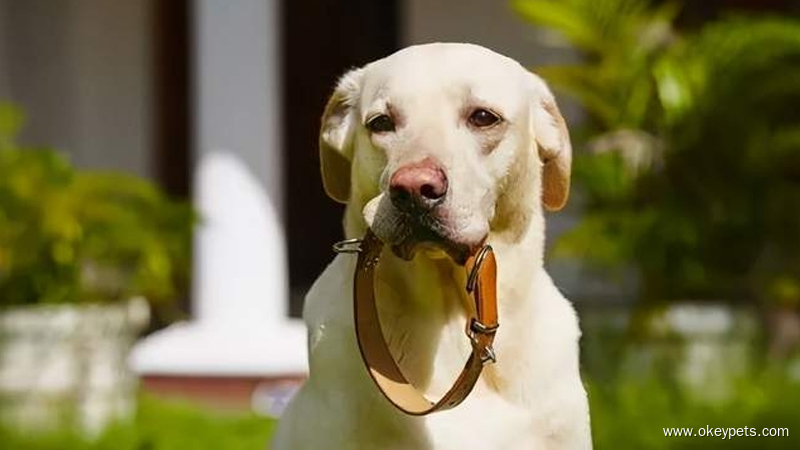
Most dogs can't contain their excitement when walking, and if the owner fails to control the dog's actions, the dog may get lost or get injured. Therefore, it is very important to put a collar on your dog when going out, which is also to comply with the command that the dog must be tied with a leash in various public places.
If your dog shows signs of nervousness when he sees the collar, or you struggle to put the collar on him, walking the dog will become difficult.
![How To Make Your Dog Wear A Collar 1]()
Why do dogs dislike wearing collars?
Strange or uncomfortable
Dogs are sensitive to changes in their environment and bodies. Collars can feel strange, restrictive, or itchy - especially if the collar is stiff, too tight, or made of uncomfortable materials.
Negative associations
If the dog's first experience with wearing a collar is scary (such as being restrained or pulled), they may associate it with discomfort or stress.
Overstimulation or sensory sensitivity
Some dogs are naturally more sensitive to touch and feeling. For them, a continuous collar may make them feel overwhelmed.
Inappropriate
Collars that are too tight can hurt people. Too loose can cause it to rub against the skin or dangle. In either case, an ill-fitting collar will make your dog reluctant to wear it.
How to make your dog wear a collar comfortably
So how can you encourage your dog to wear a collar? OKEYPETS is here to help.
1. Choose the right dog collar
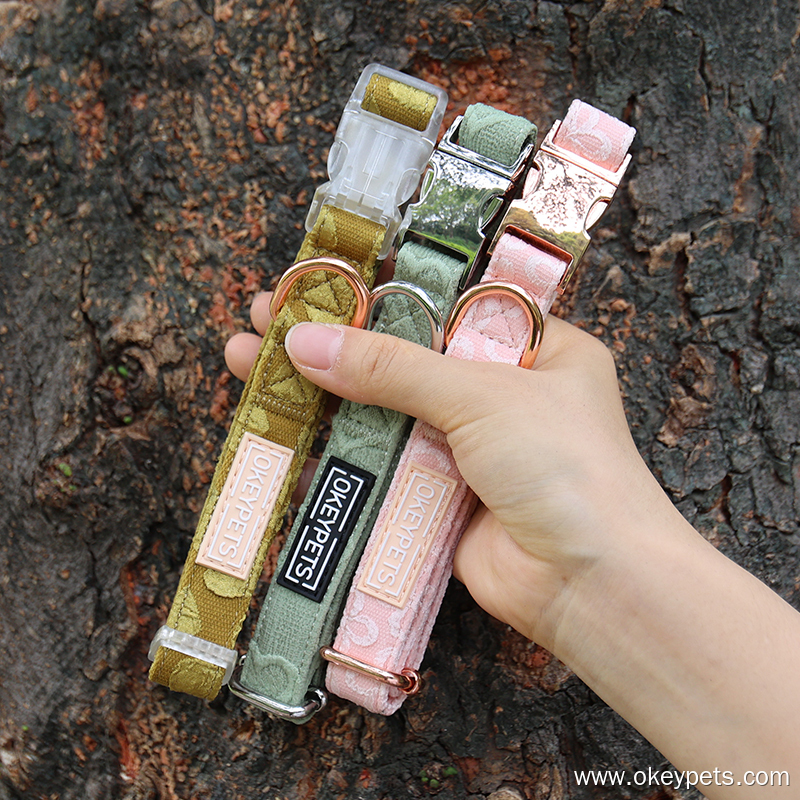
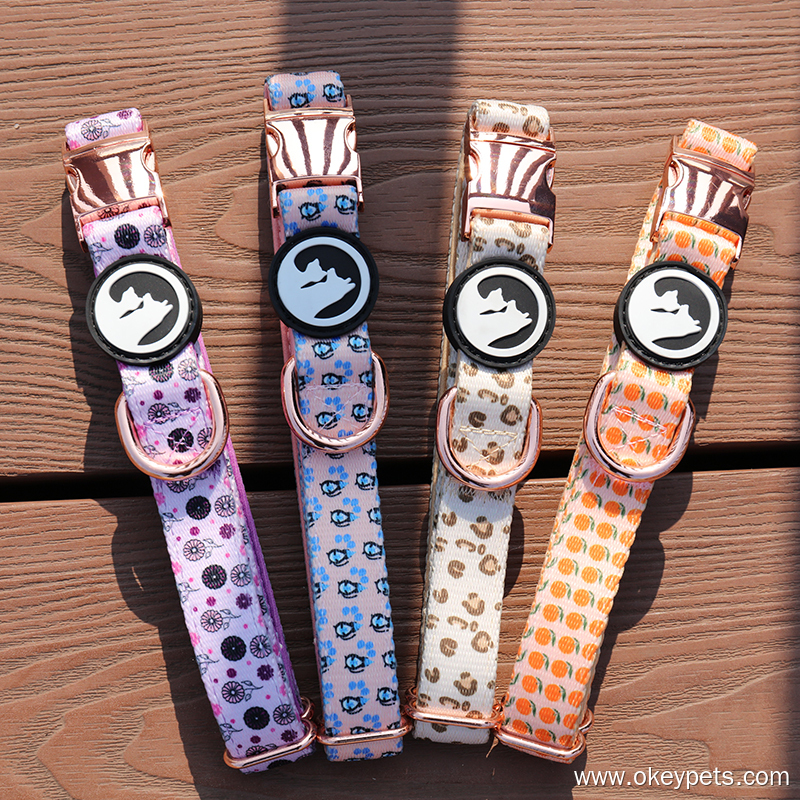
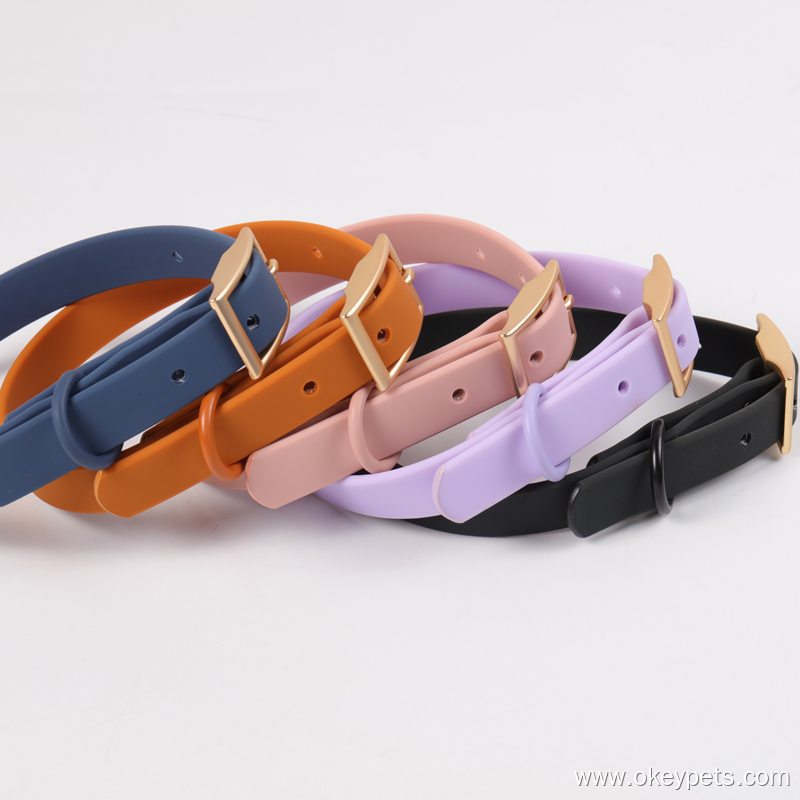
First, make sure your dog's collar fits comfortably. Too tight can cause pressure on your dog's neck, causing them to feel tense when walking, so they may have difficulty wearing it. We recommend that you choose an adjustable flat buckle collar for your dog to ensure the best comfort and security. Okeypets offers a range of adjustable collars in a variety of sizes, so no matter what breed or size your dog is, you can find the best fit.
When using an adjustable collar, you can make sure the collar fits properly by doing the finger test. First, choose a collar that fits your dog's size, then adjust it until it is snug but not tight. For small dogs, you should be able to fit one finger under the collar; for medium-sized dogs, you should be able to fit two fingers under the collar. For large dogs, you should be able to fit three fingers under the collar.
2. Collar Training
Once you find the right collar, let your dog sniff it first, which can reduce fear and increase curiosity before slowly putting it on to minimize discomfort.
There are several ways to make wearing a collar calmer and less stressful for your dog. First, avoid aggressive behavior so that the collar process is less scary for your dog. Remember to stay calm and relaxed, because dogs are smart animals who can sense your frustration and react.
Prepare your dog for long-term collar wearing by training him to get used to the collar. Simply let your dog sit on the floor with the collar on and reward him with treats every time he smells or touches the collar. Once he is used to this stage, you can raise the collar loop above his head, but don't rush to put it on. Likewise, reward him with treats every time he touches the collar with his nose or puts his head close to the loop.
Putting the collar on your dog gradually, rewarding him with rewards at every step. Slowly, they will feel more comfortable and will associate wearing the collar with treats and rewards.
3. Attaching the Dog Leash
Once your dog has a collar, you will need to attach a leash if you want to take them out.
You need to make sure your leash has a convenient trigger hook that allows it to be quickly and easily attached to your dog's collar, while ensuring it is safe and durable.
4. Training Collar Pressure
Regarding the pressure of the collar, your dog may slightly panic at the sensation, which can cause them to jump, twist, or even lie on the ground. When this happens, you should immediately stop walking your dog and do not pull hard on your dog.
Remember to allow your dog to control the pressure by walking with him/her in close proximity. Let them pull on the collar and leash while you steady them. Once the dog stops pulling on the leash, give them some treats as a reward. Get your dog used to going out with this kind of pressure.
Conclusion
Training your dog to wear a collar is about trust, comfort, and gentle exposure. With patience and the right approach, your dog can learn to love - or at least tolerate - their collar. Once they do that, it opens the door to walks, training, and safety identification.