



Most veterinarians do not recommend retractable leashes due to safety risks, lack of control, and their tendency to encourage pulling and poor walking habits. The sudden jerk from a retractable leash can cause severe neck and spinal injuries, the cord can cause burns or cuts, and the lock mechanism can fail. Standard, fixed-length leashes are a much safer alternative for walking dogs.
Safer Leash Setups Vets and Trainers Actually Recommend
2025-12-04
Table of Contents
A Safety-Focused Guide for Modern Dog Walks
Retractable leashes are everywhere: in parks, on sidewalks, in cute colors and matching sets. They seem like a great idea—more freedom for the dog, less effort for the owner.
But if you ask most veterinarians and many professional trainers, the answer you’ll hear is surprisingly consistent:
Most vets do not recommend retractable leashes for everyday walks—especially in busy or high-risk environments.
That doesn’t mean retractable leashes are “evil” or can never be used. It does mean you should understand the real risks behind them, when they absolutely shouldn’t be used, and what safer alternatives look like.
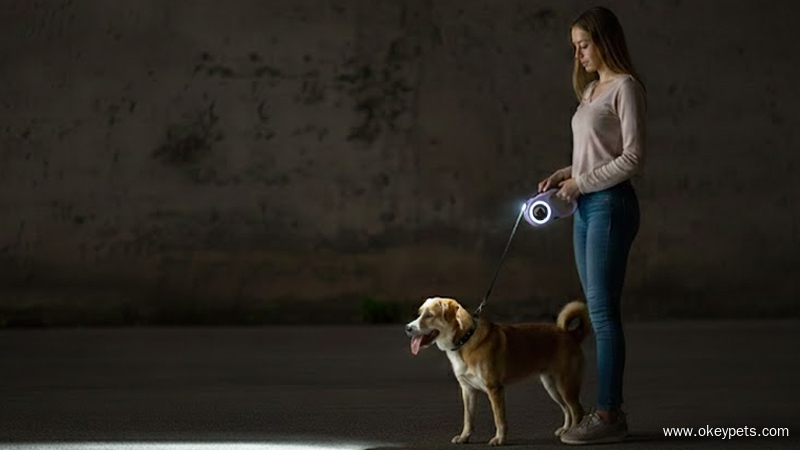
In this guide, we’ll walk through:
How retractable leashes work
Why many vets and behavior professionals are concerned
How they compare to standard leashes
When a retractable leash might be acceptable
Safety rules if you still choose to use one
Safer alternatives that dogs (and vets) tend to prefer
What Exactly Is a Retractable Dog Leash?
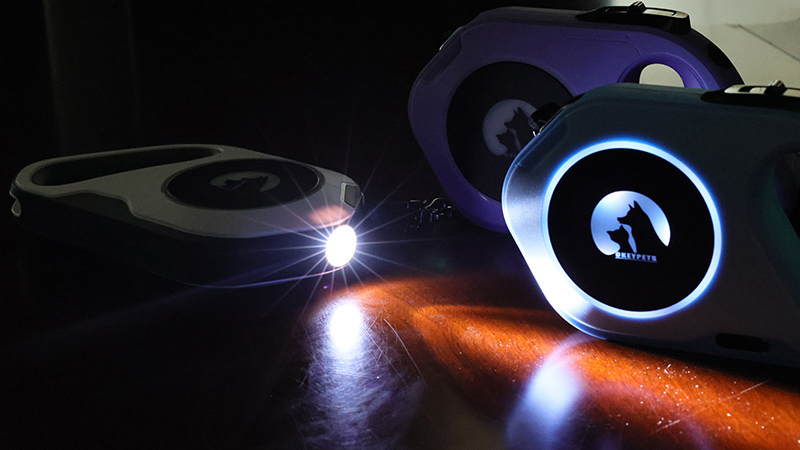
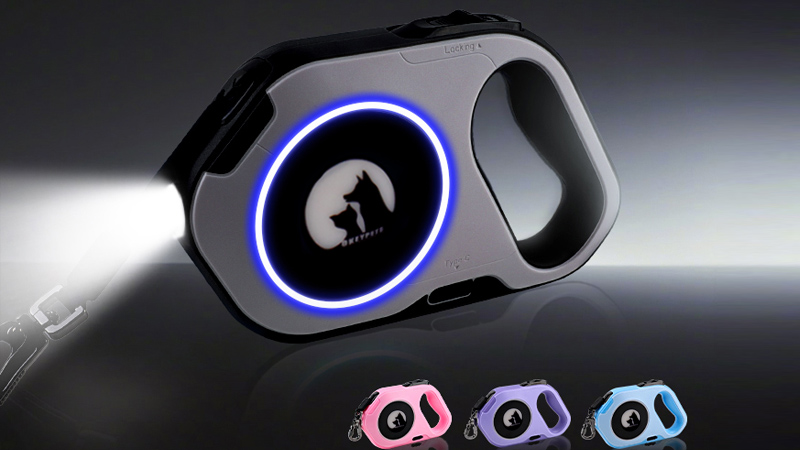
· A retractable dog leash is built around a plastic handle that houses:
· A spring-loaded spool of thin cord or tape
· A locking/stop button on the handle
· A clip that attaches to the dog’s collar or harness
Most retail models extend from around 10–16 feet, with some specialty versions going much further. The idea is simple:
· Press the button → the line can extend as the dog moves away.
· Release or lock the button → the line stops extending and can retract back into the handle.
This design promises the best of both worlds: freedom + control. In reality, the extra length and mechanics also introduce extra risk.
Why Many Vets Warn About Retractable Leashes
Veterinary clinics, emergency hospitals and pet health publishers have repeatedly highlighted concerns about retractable leashes, especially related to injuries, loss of control and behavior problems.
Here are the key issues they point out.
1. Physical Injuries to People
The thin, fast-moving cord is the number one culprit:
· If it wraps around fingers, hands or legs, it can cause rope burns, deep cuts, or even amputations in severe cases.
· When a strong dog runs to the end of the line and the leash snaps or the collar breaks, the metal clip or handle can whip back and hit the owner, including the face and eyes. Case reports and news stories describe serious eye injuries and permanent vision loss from these events.
· The long line can trip people, especially children or elderly walkers, leading to falls, fractures and head injuries.
One analysis of dog-leash–related injuries in humans estimated over 350,000 injuries treated in US emergency departments between 2001 and 2018; many of these involved pulling or tripping.PubMed Retractable leashes are not the only type involved—but their design (long, thin, easy to tangle) doesn't help.
2. Physical Injuries to Dogs
Retractable leashes can be just as tough on the dog:
· When a dog hits the end of a long line at full speed, it can result in a sudden, violent jerk to the neck, throat, or spine, potentially causing tracheal damage, neck pain, or disc injury.
· If the line snaps or the locking mechanism fails, the dog may run loose into traffic or towards other dogs.
Some vets and animal hospitals are concerned enough that they ask clients not to bring retractable leashes into their reception areas, offering standard leashes instead to reduce chaos, entanglement and injury risk in tight spaces. wildernessvet.com
3. Loss of Control in Real-Life Situations
On paper, you “control” the length of the retractable leash. In reality:
· Dogs can be 20–26 feet ahead before you even see what they’re walking into—another dog, a cyclist, a child, a busy road, a snake, or food on the ground.
· The bulky handle and small brake button make it harder to react quickly compared to simply shortening a standard leash with your hands.
· The long cord is easy to tangle around your legs, your dog, other people or dogs, making already tense situations worse.
In crowded cities or narrow sidewalks, this lack of instant control can turn into a serious safety problem very quickly.
4. Behavior & Training Issues
Many veterinary behaviorists and trainers point out that retractable leashes reward exactly the behavior you don't want: pulling.
On a retractable leash:
· The more the dog pulls → the more leash they get → the more freedom they enjoy.
· Over time, this teaches the dog that pulling = success, making it very hard to train polite loose-leash walking later.
As a result, most trainers and vets advise:
Teach your dog to walk well on a standard 4–6 ft leash first. Only consider a retractable leash after solid leash manners and recall are in place.
Retractable vs Standard Leashes: A Safety Comparison
Aspect | Retractable Leash | Standard Fixed-Length Leash |
Handler control | Limited, delayed; dog often far ahead | High; dog stays close, quick reactions possible |
Injury risk – humans | Higher (burns, cuts, tripping, snap-back) | Lower; thicker material, shorter length |
Injury risk – dogs | Higher (sudden jerks, neck/spine risk) | Lower when used with proper collar or harness |
Training suitability | Poor; often encourages pulling | Ideal for teaching loose-leash walking & heel |
Tangle potential | High; long, thin line tangles easily | Lower; shorter, easier to manage |
Mechanical failures | Possible (jammed/ broken spool, button failures) | Minimal (no moving parts) |
Urban environments | Generally not recommended | Strongly recommended |
For most everyday walks, especially in cities or busy neighborhoods, vets and trainers consistently prefer standard fixed-length leashes.
Are There Any Situations Where a Retractable Leash Can Be Used Safely?
Yes—many professionals agree that retractable leashes can be acceptable in specific low-risk situations, if certain conditions are met. American Kennel Club+1
Retractable leashes may be considered when:
1. The environment is open and low-risk
Large open parks, wide trails, quiet beaches
No nearby traffic, bicycles, children’s playgrounds or heavy dog traffic
2. The dog is already well trained
Reliable recall (“come” command)
Good leash manners on a standard leash
No history of lunging at dogs, people, or moving objects
3. The handler is experienced and attentive
No multitasking (phone, bags, coffee, etc.)
Eyes on the dog and surroundings, thumb ready on the brake
Able to manage and untangle the line safely if needed
Even organizations that explain how to use retractable leashes safely emphasize that they should only be used after basic training and in suitable environments—not as a beginner leash or for daily city walks.
If You Still Use One: Essential Safety Checklist
If you decide a retractable leash fits a specific dog + environment combination, here are non-negotiable safety rules:
1. Do not use it near roads, driveways or parking lots.
2. Never allow the dog to run full speed to the end of the line.
Keep enough control that you can stop them before a full-force jerk.
3. Avoid wrapping the line around your hand or body.
Hold only the handle. Never grab the cord with bare hands.
4. Keep the line short in any area with people, dogs or obstacles.
5. Regularly inspect the leash for fraying, cracks in the handle, or sticking buttons.
6. Use a harness, not a neck collar, for pull-prone dogs.
This helps reduce neck and trachea strain if there is a sudden stop. AVMA Journals+1
7. Do not give a retractable leash to children or frail handlers.
They may not be able to control the dog or manage emergencies.
Even with all these precautions, many vets still feel the risk-to-benefit ratio is not favorable—especially when safer alternatives exist.
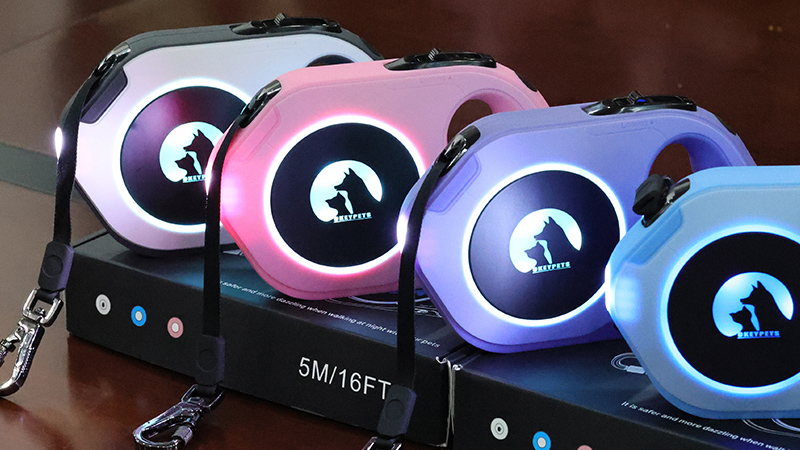
Safer Alternatives: What Vets and Trainers Prefer
If your goal is safe, enjoyable walks (not just “farther distance”), there are several leash setups that vets, trainers, and manufacturers like OKEYPETS tend to recommend.
| Alternative | Best For / Use Cases | Key Benefits | Training & Safety Notes |
| 4–6 ft Standard Leash + Harness | Daily city walks, vet visits, crowded areas | Close control, lower injury risk, easier to manage in tight spaces | Use a well-fitted harness (preferably front-clip for pullers) to reduce neck strain. |
| Long Training Line (Non-Retractable) | Open parks, fields, recall training, off-leash preparation | Gives the dog more freedom without mechanical parts, easier to gather or step on in an emergency | Only use in low-risk, open areas; keep working on recall and check-in behaviors. |
| Hands-Free / Waist-Belt Leash | Jogging, hiking, walking while carrying bags or strollers | Distributes force through the body, keeps hands free, often includes shock-absorbing sections | Not recommended for untrained strong pullers; pair with a good no-pull harness. |
| Dual-Handle (Traffic) Leash | Mixed environments (quiet streets + busy crossings) | Normal handle for relaxed walking, short handle for instant close control | Use the traffic handle near roads, crowds, or around other dogs for extra safety. |
| No-Pull Harness + Sturdy Fixed Leash | Dogs that pull, large or powerful breeds | Reduces pressure on the neck, offers better steering and control, supports behavior training | Combine with consistent loose-leash training; avoid using it as a substitute for training. |
At OKEYPETS, this is exactly where we focus our leash and harness design—creating combinations that give dogs comfortable freedom within safe, controlled limits, rather than relying on long, thin, mechanical cords.
FAQ: Common Questions About Retractable Leashes
1. Do vets recommend retractable leashes?
Most veterinarians do not recommend retractable leashes for everyday use, especially in crowded or urban environments, due to increased risk of injuries, loss of control, and behavior issues.
2. Are retractable leashes safe for small dogs?
Smaller dogs may create less force than large breeds, but the same risks still exist: cord burns, tangles, sudden neck jerks and equipment failure. A small dog hit by a car or attacked by another dog can be seriously injured, regardless of size.
3. Can I use a retractable leash for a puppy?
Generally, no. Puppies are still learning about the world and have inconsistent impulse control. Retractable leashes can teach them to pull and make it harder to build good leash manners. Most trainers recommend starting with a standard 4–6 ft leash and a harness.
4. Are retractable leashes illegal?
Retractable leashes are not broadly illegal, but many cities have leash length rules (commonly 6 ft or less in public spaces or parks). These rules can effectively exclude most retractable leashes when fully extended. Always check your local regulations before choosing a leash type.
5. Are retractable leashes ever a good idea?
They can be acceptable for well-trained dogs in low-risk, open areas, with an attentive handler and strict safety rules (short line near others, no full-speed runs to the end, regular product checks). But they are rarely the best choice for beginners, puppies, pullers, or busy streets.
6. What is the safest leash for a dog that pulls?
For strong pullers, many vets and trainers prefer a combination of:
· A front-clip no-pull harness, and
· A sturdy, padded 4–6 ft leash with comfortable, non-slip handle.
This setup gives more control, reduces strain on the neck, and helps you teach better leash manners.
Conclusion: Freedom Is Good—But Safety Comes First
Retractable leashes promise freedom and convenience, but:
The design increases risk of injuries to both dogs and people.
They make it harder to control sudden situations.
They often encourage pulling rather than polite walking.
For most dog owners, especially in busy environments, a well-fitted harness paired with a quality fixed-length leash is safer, easier to train with, and strongly preferred by veterinarians and behavior experts.
If you do choose to use a retractable leash, treat it as a special-use tool: for trained dogs, in open, low-risk spaces, and always with strict safety rules.
About OKEYPETS
Guangzhou OKEYPETS Products Co., Ltd. is a professional manufacturer of premium pet products, specializing in dog collars, leashes, harnesses, life jackets, and accessories. Founded in 2015, OKEYPETS operates ISO9001- and BSCI-certified facilities and offers CE-certified product ranges to ensure quality, safety, and compliance with international standards.
We maintain long-term partnerships with more than 500 customers across North America, Europe, Asia, and South America, with key markets including the United States, Canada, Australia, Germany, France, Italy, Singapore, Japan, Brazil, and Ecuador. By exhibiting regularly at Global Pet Expo (Orlando, USA) and InterZoo (Nuremberg, Germany), we stay closely connected to global buyers and industry trends.
OKEYPETS provides full OEM/ODM services, innovative product design, customized branding, factory-direct production, and FBA shipping support—helping both established brands and fast-growing e-commerce businesses build safer, smarter pet product lines.
Reasons for recommending
[1]: Understanding the risks can help you make informed decisions about your dog's safety.
[2]: Explore the risks of tracheal damage to keep your dog safe during walks.
[3]: Learn why many experts recommend fixed-length leashes for safety.
[4]: Discover innovative pet products designed for safety and comfort.
[5]: Explore the benefits of no-pull harnesses for better control and comfort.
ReviewsNumber of comments: {{ page.total }}
I want to comment?
{{item.nickname ? (item.nickname.slice(0, 2) + '*****') : item.source === 1 ? 'mall buyer' : '--'}}
{{item.comment_time}}
Review in the {{item.country}}
Reviews
Merchant
{{replyItem.nickname ? (replyItem.nickname.slice(0, 2) + '*****') : replyItem.source === 1 ? 'mall buyer' : '--'}}
{{replyItem.parent_nickname ? (replyItem.parent_nickname.slice(0, 2) + '*****') : '--'}}
{{replyItem.is_merchant_reply === 1 ? replyItem.reply_time : replyItem.comment_time}}
Review in the {{replyItem.country}}
Reviews

No customer reviews
Recommended for you
Get in touch with us
OKEYPETS specializes in providing high-quality dog harnesses, collars, leashes, and other pet accessories. We are committed to quality and customization to ensure that your products not only look great, but also provide a sense of comfort and safety.
QUICK LINKS
PRODUCTS
CONTACT US
Contact Person: OKEYPETS Bella
TEL/WHATSAPP: +8618319574312
E-MAIL: sale@okeypets.com
ADD: No. 777, Helong First Road, Helong Street, Baiyun District, Guangzhou, Guangdong, China,. 510000
Copyright © 2026 | GUANGZHOU OKEYPETS PRODUCTS CO.,LTD - www.okeypets.com All Rights Reserved. | Privacy Policy