



When it comes to choosing a dog collar, it is more than just a simple dog accessory. It is also about ensuring the safety, control and comfort of the dog, while making walks and outings more enjoyable. However, dog owners face great challenges when choosing a dog collar. There are so many types of dog collars on the market. How can you choose the right one for your dog? In this article, we will introduce the characteristics of this type of dog leash and its usage scenarios, hoping to help dog owners.
How to Choose the Best Dog Collar
2025-04-14
Table of Contents
May 15, 2025
When it comes to choosing a dog collar, it is more than just a simple dog accessory. It is also about ensuring the safety, control and comfort of the dog, while making walks and outings more enjoyable. However, dog owners face great challenges when choosing a dog collar. There are so many types of dog collars on the market. How can you choose the right one for your dog? In this article, we will introduce the characteristics of this type of dog leash and its usage scenarios, hoping to help dog owners.
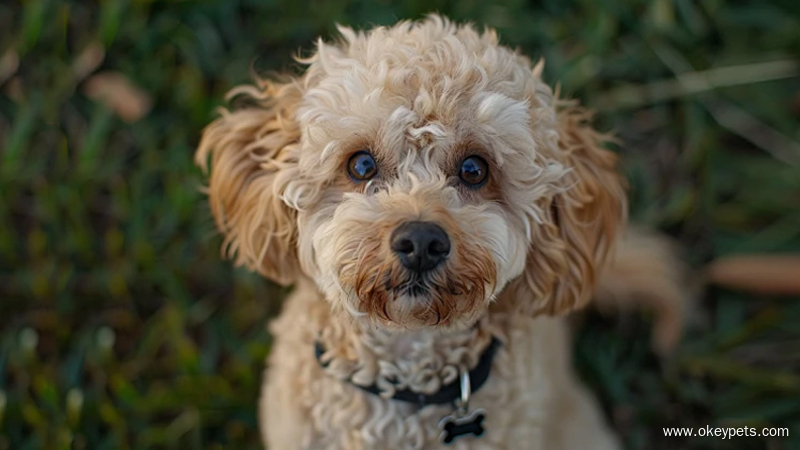
Common problems encountered by dog owners
When choosing the right dog collar, dog owners often encounter several problems:
Various types:
With countless dog leashes to choose from—from basic nylon dog collars to high-tech GPS dog collars—choosing the right dog collar can be confusing. A dog leash that is suitable for small and quiet pets may not be suitable for energetic and strong dogs.
Balancing durability and comfort:
The leash must be tough enough to withstand the dog's pulling and continuous use, but soft enough to ensure the dog's neck is comfortable. Owners often have difficulty finding a balance between strong materials and comfortable designs.
Safety issues:
Making sure the dog collar is securely attached to the dog's collar or harness and doesn't break under pressure is a top priority. A low-quality dog collar can lead to a dangerous situation if it breaks while on a walk.
About the material of the dog collar
Different materials have different advantages and potential disadvantages. Here are some common options in detail:
1. Nylon dog collar
Features:
Lightweight, affordable, and available in a variety of colors and designs. They are resistant to wear and relatively easy to clean. Suitable for small to medium-sized dogs walking and training.
Use scenario:
Great for urban environments and casual outdoor adventures, but they may not be very suitable for dogs with strong pulling power.
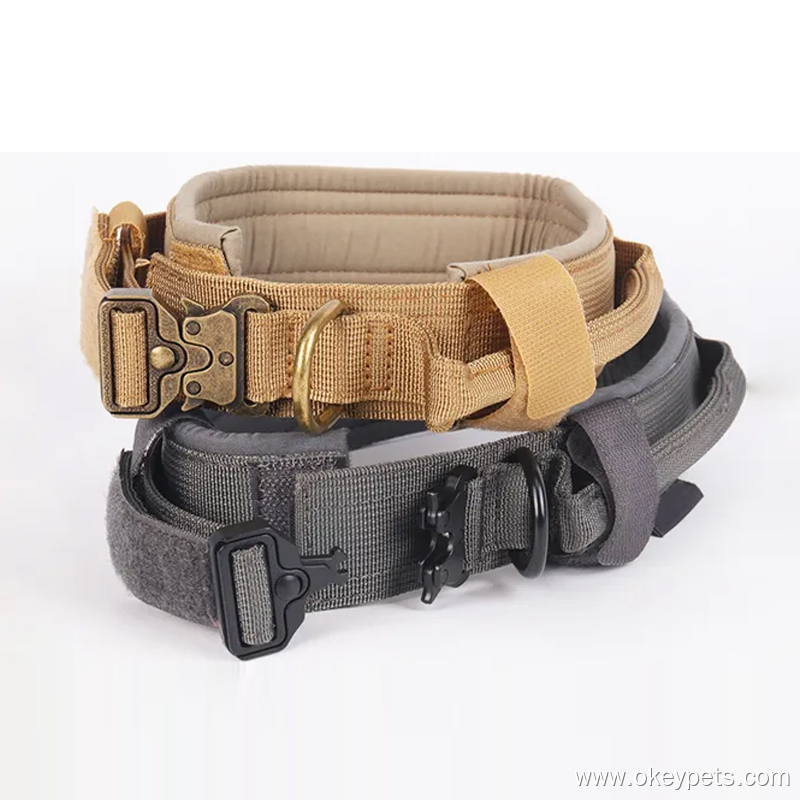
Features:
Known for durability and comfort; these dog leashes tend to develop a pleasant soft grip as they age. Suitable for medium to large dogs, especially those that are well-trained and don't pull excessively.
Use scenario:
Great for a leisurely walk in the city or park, but requires regular maintenance to prevent cracking or wear and tear.
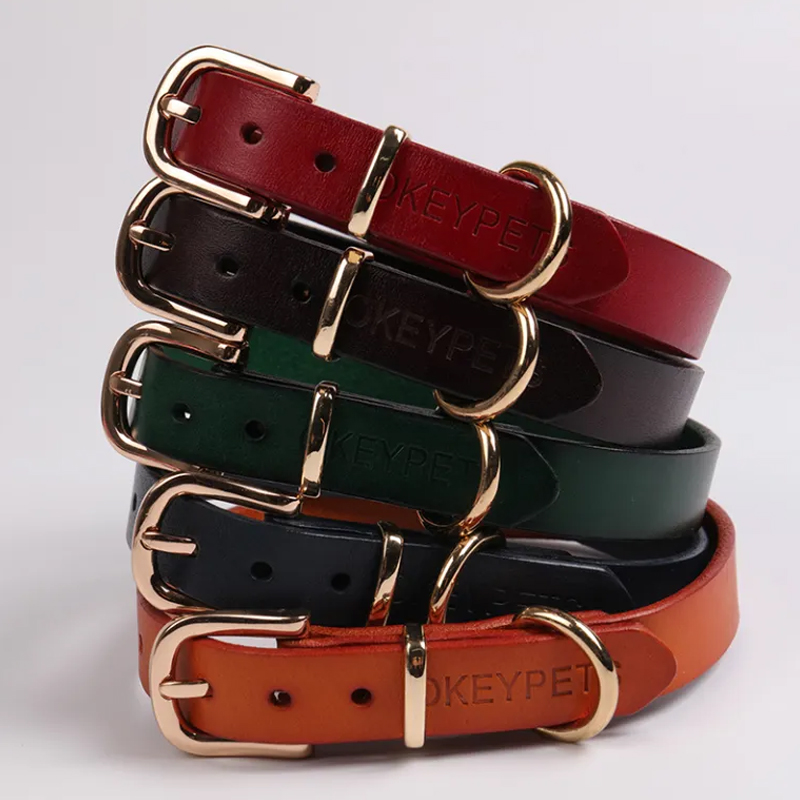
Features: Made of polyvinyl chloride, these collars are resistant to wear, moisture, sun, and chemicals, so they are low maintenance and long-lasting. They are designed to ensure the comfort of your dog while providing enough rigidity to withstand daily use. Perfect for dogs that often get wet or love outdoor adventures.
Use scenarios: Great for swimming, going out on rainy days, or any scene involving water, no need to worry about damage.
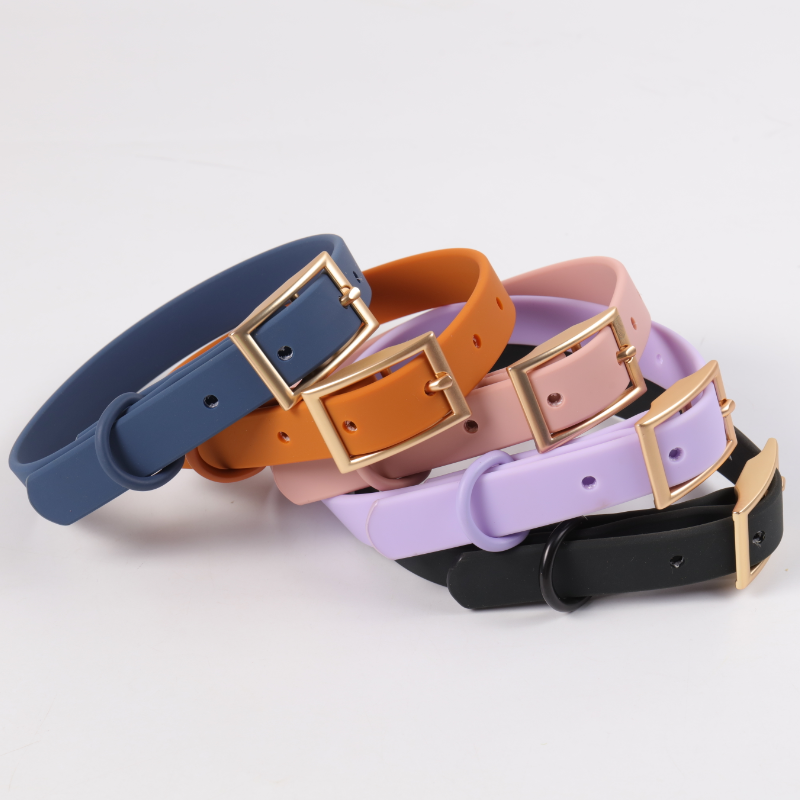
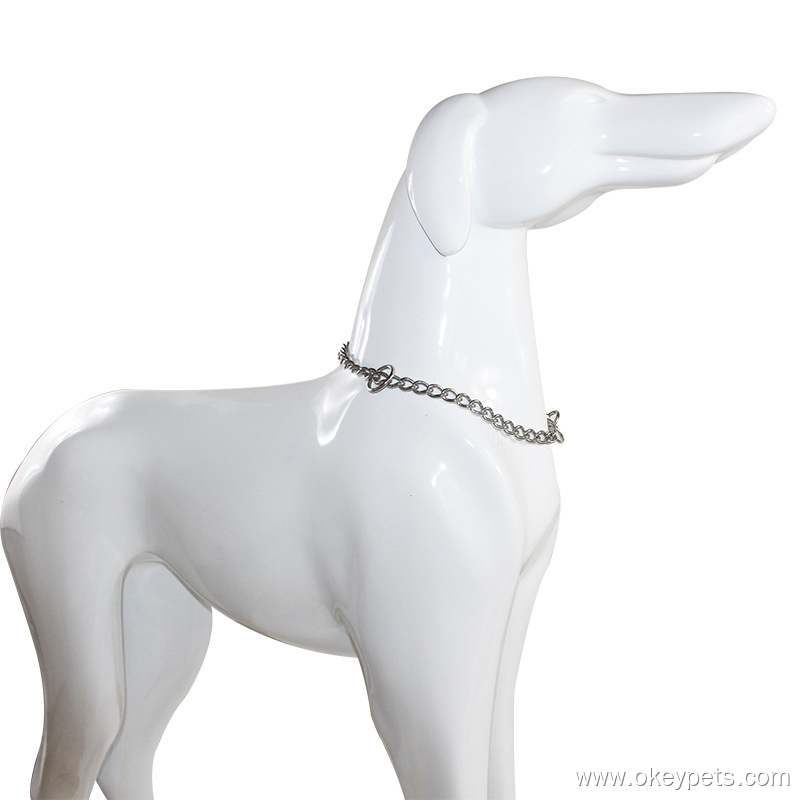
4.Chain Dog Collars
Features:
Chain leashes are made of interconnected metals, which are durable and chew-resistant. Suitable for dogs with a habit of chewing leashes
Use scenarios:
It is best to use them under controlled conditions, such as during training or in the backyard. If used improperly, they may cause discomfort.
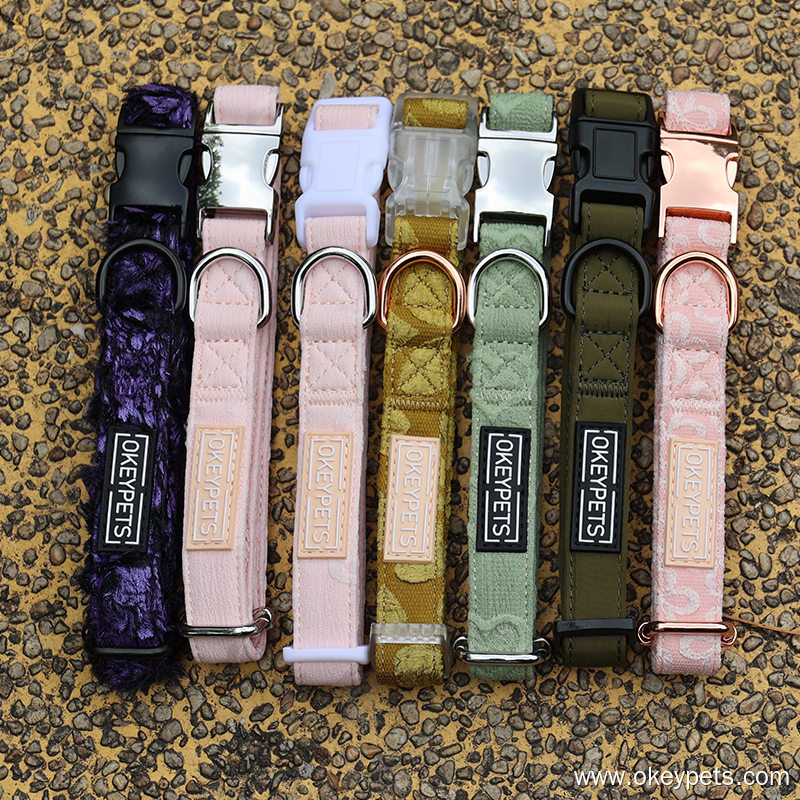
5. Fabric or Cotton Collars
Features: These collars are made of natural fibers such as cotton and are gentle on the dog's neck. Especially for smaller or less active dogs.
Use scenarios: Indoor or casual outings: Great for low-impact activities and indoor activities. Cotton and similar fabrics are often favored in warm weather due to their breathability.
6. Eco-friendly collars
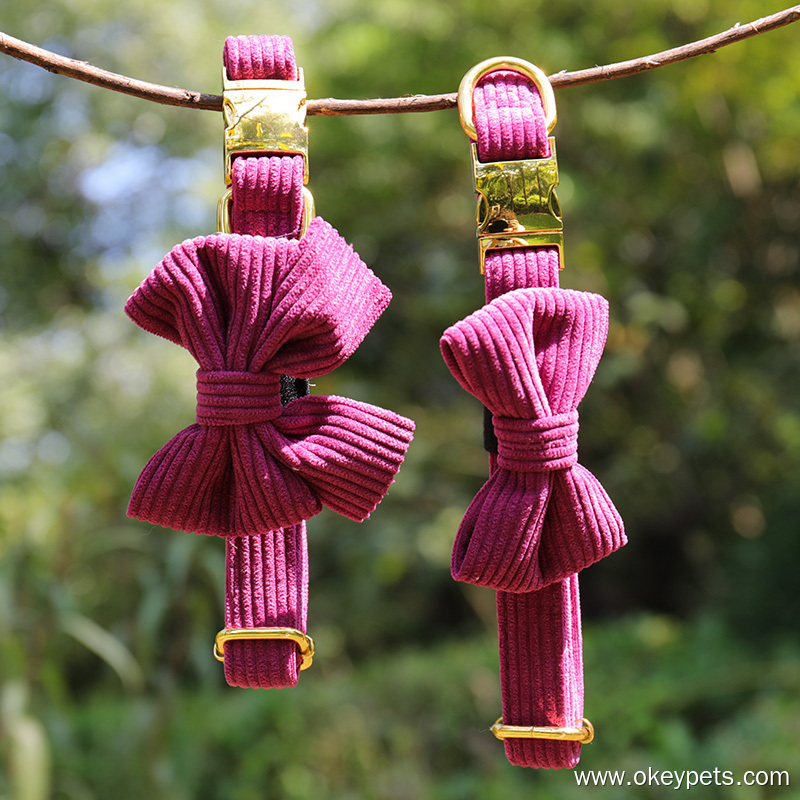
Features: These collars are made from recycled materials or natural fibers such as hemp and are designed with environmental impact in mind. They are usually designed to be both strong and comfortable, matching the performance of their synthetic or leather counterparts.
Use scenarios: Daily wear: suitable for regular walks or light training.
How to Choose the Right Dog Collar Size
To choose the right size of a dog collar, you need to measure your dog’s neck correctly and select a collar that fits securely but comfortably. Here's a clear step-by-step guide:
1. Measure Your Dog’s Neck
Use a soft measuring tape to measure around the base of your dog’s neck, where the collar will naturally sit. Ensure the tape is snug but not tight. If you don’t have a measuring tape, use a string and then measure it against a ruler.
2. Apply the Two-Finger Rule
Once you have the neck measurement, add about 1 to 2 inches for small dogs, and 2 to 3 inches for medium to large dogs. You should be able to fit two fingers comfortably between the collar and your dog’s neck when it’s fastened.
3. Consider Collar Type and Adjustability
Some collars are adjustable, offering flexibility as your dog grows or gains/loses weight. If you’re choosing a specialized collar, like a martingale or training collar, follow specific sizing guidelines for that type.
4. Regularly Recheck Fit
Dogs grow, gain or lose weight, and their fur can change with the seasons. It’s important to periodically check that the collar still fits properly and doesn’t cause irritation or restrict breathing.
Conclusion
When choosing a dog collar, consider your dog's specific needs, behaviors, and typical activities. Nylon and fabric collars are lightweight and versatile, perfect for casual everyday wear, while leather collars offer a classic and durable option for well-trained dogs. Chain or metal collars play a more professional role in behavior correction and control, but should be used with caution. Eco-friendly options meet the needs of owners who want to balance quality and sustainable practices.
After reading this article, you must have a deeper understanding of the selection of dog collars, and hope that it will be better for you to choose dog collars in the future. Be able to choose a collar that improves your dog's comfort and safety while matching your lifestyle and preferences.
ReviewsNumber of comments: {{ page.total }}
I want to comment?
{{item.nickname ? (item.nickname.slice(0, 2) + '*****') : item.source === 1 ? 'mall buyer' : '--'}}
{{item.comment_time}}
Review in the {{item.country}}
Reviews
Merchant
{{replyItem.nickname ? (replyItem.nickname.slice(0, 2) + '*****') : replyItem.source === 1 ? 'mall buyer' : '--'}}
{{replyItem.parent_nickname ? (replyItem.parent_nickname.slice(0, 2) + '*****') : '--'}}
{{replyItem.is_merchant_reply === 1 ? replyItem.reply_time : replyItem.comment_time}}
Review in the {{replyItem.country}}
Reviews

No customer reviews
Recommended for you
Get in touch with us
OKEYPETS specializes in providing high-quality dog harnesses, collars, leashes, and other pet accessories. We are committed to quality and customization to ensure that your products not only look great, but also provide a sense of comfort and safety.
QUICK LINKS
PRODUCTS
CONTACT US
Contact Person: OKEYPETS Bella
TEL/WHATSAPP: +8618319574312
E-MAIL: sale@okeypets.com
ADD: No. 777, Helong First Road, Helong Street, Baiyun District, Guangzhou, Guangdong, China,. 510000
Copyright © 2026 | GUANGZHOU OKEYPETS PRODUCTS CO.,LTD - www.okeypets.com All Rights Reserved. | Privacy Policy