



OKEYPETS's business philosophy is to devote itself to high-quality pet products. All in order to make our pets safe, comfortable and healthy.
The company supports our new customers to start a new business of pet products.Some hot selling styles MOQ Only 50 sets.
We wish OKEYPETS's professional can establish a win-win cooperation with you, and let us grow together.
Our website:www.okeypets.com;
Our Facebook:www.facebook.com/okeypetscollarleash;
Our instagram:www.instagram.com/okeypetscollarleash;
Our Youtube:https://www.youtube.com/channel/UC2HffVwHPNGaK8BHwxGg_ZA
our official emai address:sale@okeypets.com;
whatsapp:+(86) 183 1957 4312.
Contact us now , Let’s start work together.
Dog Collars vs. Dog Harnesses: Which is Better for Your Dog?
2024-10-09
Table of Contents
October 09, 2024 · By OKEYPETS
When deciding between a collar and a harness for your dog, it's important to weigh the pros and cons of each option in terms of user experience, comfort, health, cost, and the variety of choices available. This comparison will help dog owners understand which option is best suited to their dog's specific needs and lifestyle.
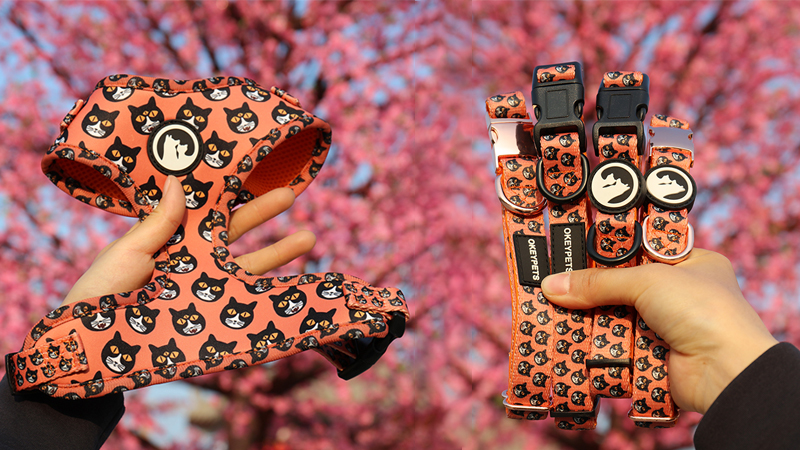
1.User Experience
o Ease of Use: Collars are incredibly simple and quick to put on and take off. They are ideal for short walks or casual outings.
oControl: A collar provides sufficient control for dogs that are already trained to walk on a leash without pulling. However, for strong pullers, a collar can cause strain on the neck.
oID Tags: Collars are convenient for attaching identification tags, which is essential if the dog gets lost.
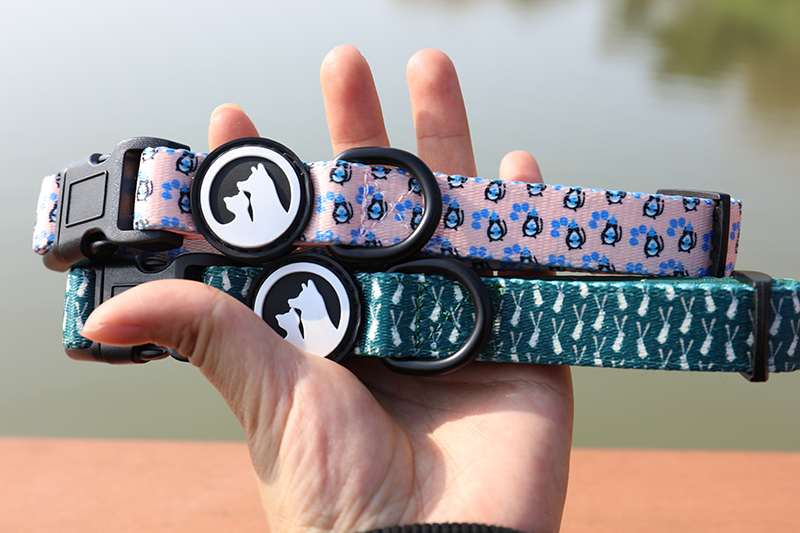
o Ease of Use: Putting on a harness can take more time, especially if your dog isn’t used to it. Some harness designs require threading the legs through loops, while others have clip-on features that are easier to manage.
o Control: Harnesses offer better control over dogs, particularly when dealing with pulling or behavior issues. They distribute force more evenly across the body, reducing the risk of choking or injury.
o Training: Harnesses are often preferred for training puppies and dogs that need help learning how to walk properly on a leash without pulling.
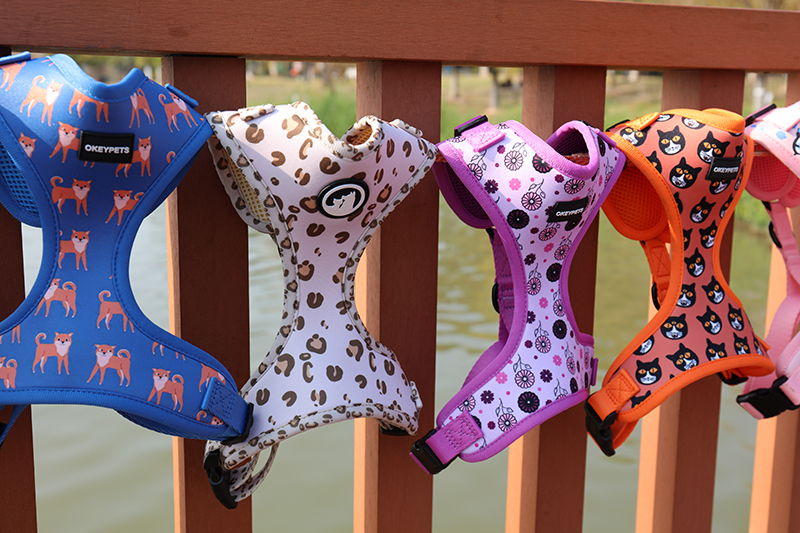
2. Comfort
Dog Collar:
oFor Shorter Use: Collars are generally comfortable for short durations or dogs that do not pull. However, dogs that tend to pull hard on the leash may experience discomfort or choking as collars place direct pressure on the neck.
oSensitive Areas: For dogs with certain breeds, like Greyhounds, or those with trachea sensitivities, collars may cause health concerns. Some dogs may experience skin irritation from tight-fitting collars, particularly with certain materials (nylon or polyester).
Dog Harness:
o More Even Distribution: Harnesses distribute pressure across the chest and shoulders rather than concentrating it on the neck, making them a more comfortable option for most dogs, particularly those prone to pulling.
o Extra Padding: Many harnesses come with padding for added comfort, which can be especially beneficial during longer walks or hikes. Harnesses also eliminate the risk of choking or neck strain.
o Suitable for Small Breeds: Smaller dogs, puppies, or dogs with fragile necks benefit more from harnesses, as they avoid any pressure on the delicate neck area.
3. Health and Safety
Dog Collar:
o Neck Strain: If your dog pulls frequently, collars can strain the neck and potentially cause damage to the trachea, throat, or spine. This can be particularly dangerous for smaller breeds or dogs with respiratory issues.
o Training Purposes: For well-trained dogs that don’t pull, collars are generally safe. However, for training purposes, especially with dogs prone to pulling, a collar may not be the best option.
o Identification: Collars are essential for carrying ID tags, which are crucial for a dog’s safety if they get lost.
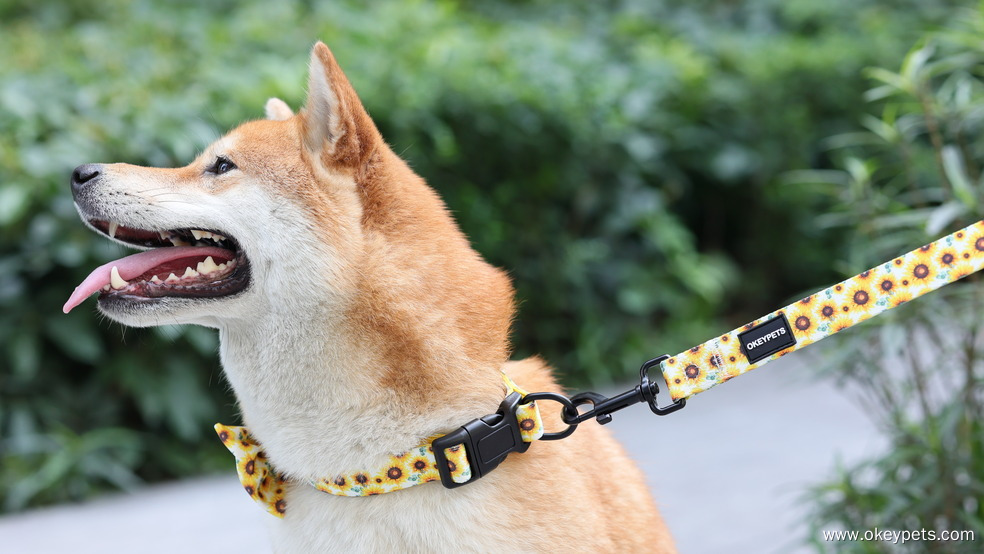
Dog Harness:
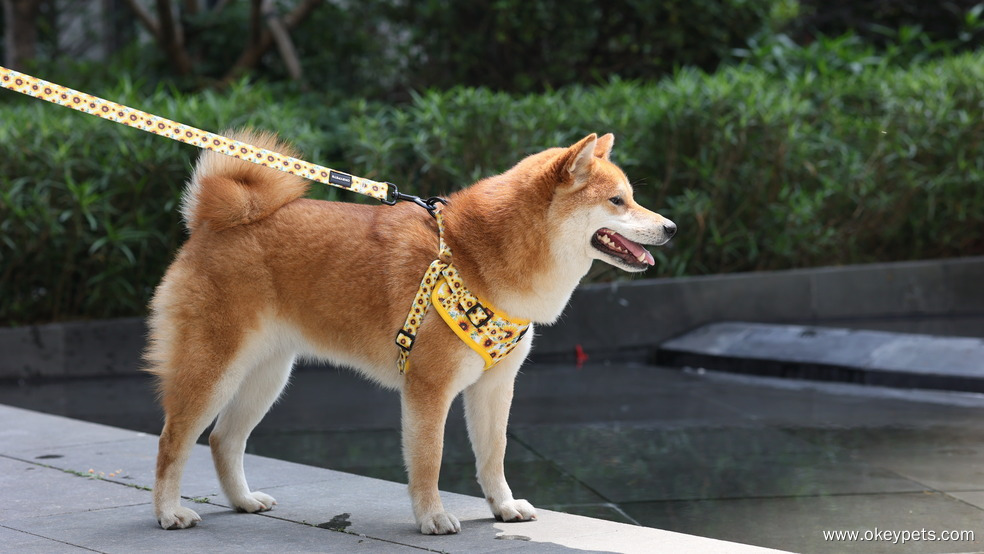
o Less Risk of Injury: Harnesses distribute force more evenly across the dog’s chest, significantly reducing the risk of neck, spine, and airway injuries, especially for dogs that pull on the leash.
o Specific Health Issues: Harnesses are safer for brachycephalic (short-nosed) dogs like Bulldogs or Pugs that are prone to breathing issues. They’re also great for breeds with a fragile trachea, such as Chihuahuas or Yorkies.
o Support for Older Dogs: Harnesses can also provide extra support for older dogs or dogs recovering from surgery, as some harness designs can help lift the dog gently without putting strain on the neck.
4. Cost
Dog Collar:
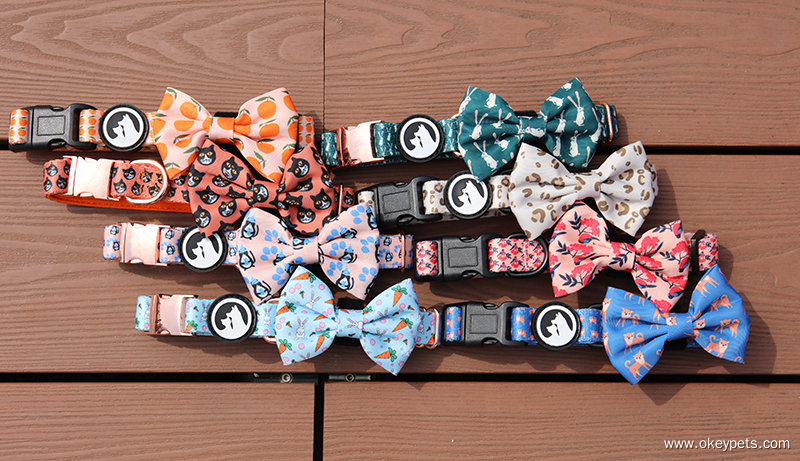
o Generally More Affordable: Dog collars are usually cheaper than harnesses, with basic designs available at lower price points. High-end collars, especially those made from leather or those that feature extra elements like embroidery or reflective strips, can cost more but still tend to be less expensive than harnesses.
o Ongoing Maintenance: Collars require less frequent replacement, as they don’t usually wear out as quickly as harnesses, unless used by strong pullers.
Dog Harness:
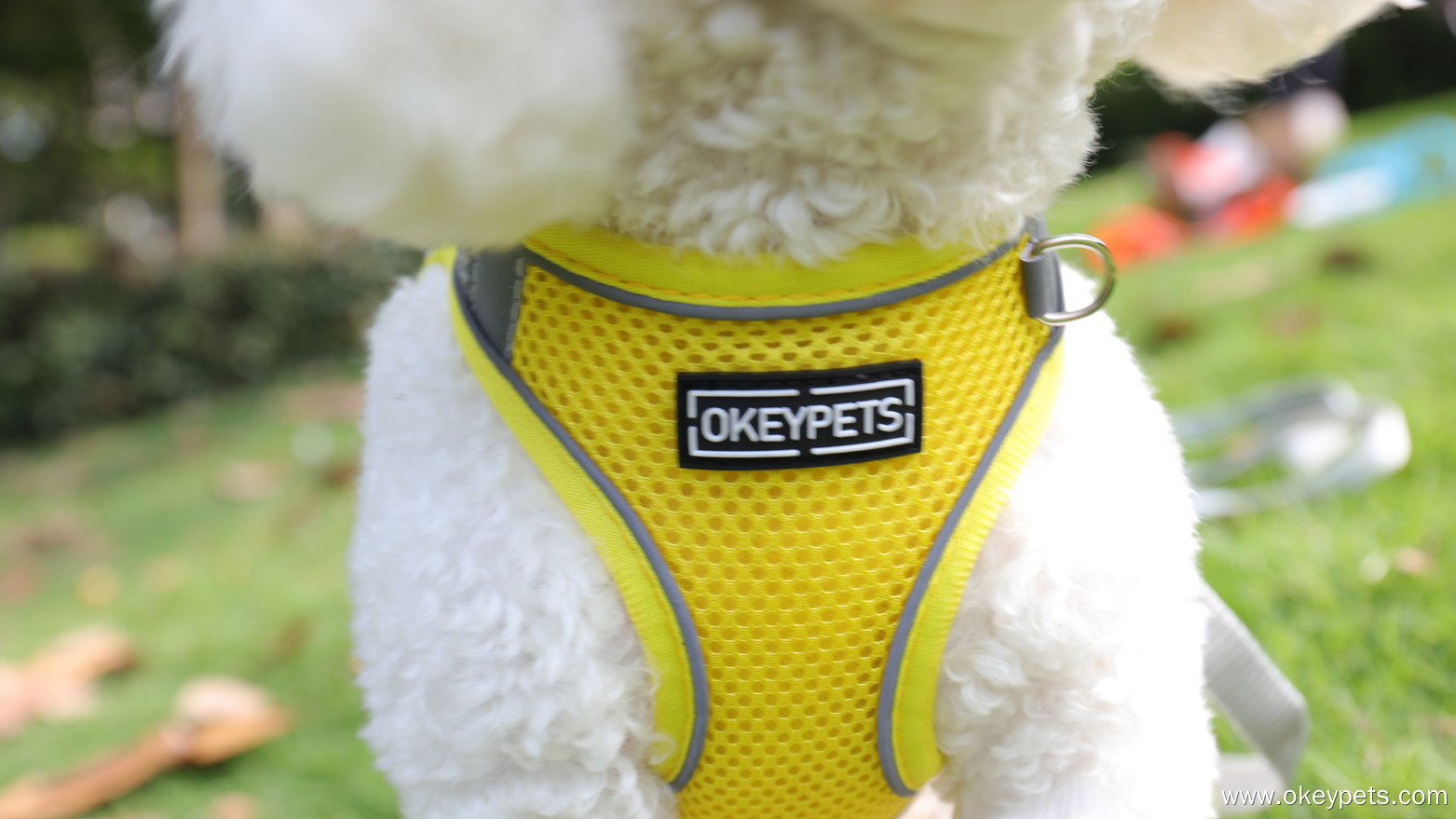
o Higher Initial Cost: Harnesses are often more expensive than collars, especially if you choose one with additional features such as padding, no-pull mechanisms, or special materials like neoprene or BioThane®.
o Durability Considerations: A high-quality harness may last a long time but can wear out faster than collars if subjected to heavy use, especially with pulling dogs
5. Variety of Choices
Dog Collar:
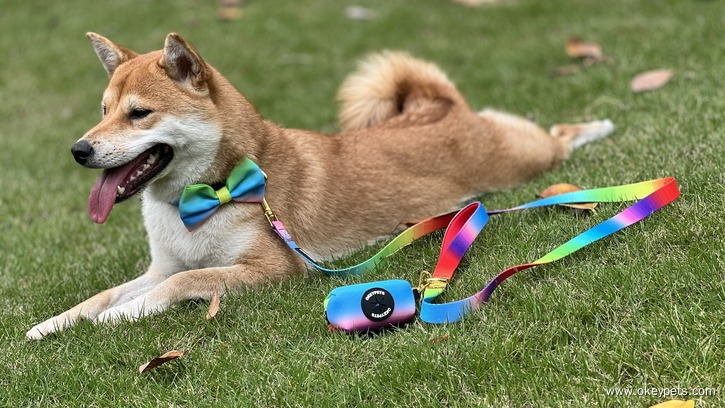
o Material Options: Collars come in a wide range of materials, such as nylon, leather, polyester, and more specialized options like PVC or reflective materials. They can be customized with patterns, colors, or even the dog’s name.
o Styles: Collars come in various styles, including flat collars, martingale collars (for dogs with narrow heads), and training collars (e.g., choke or prong collars, although these should be used with caution).
o Minimalistic Design: Collars are generally more minimalistic in design, which can be an advantage for dogs that don’t need much extra control or support.
Dog Harness:
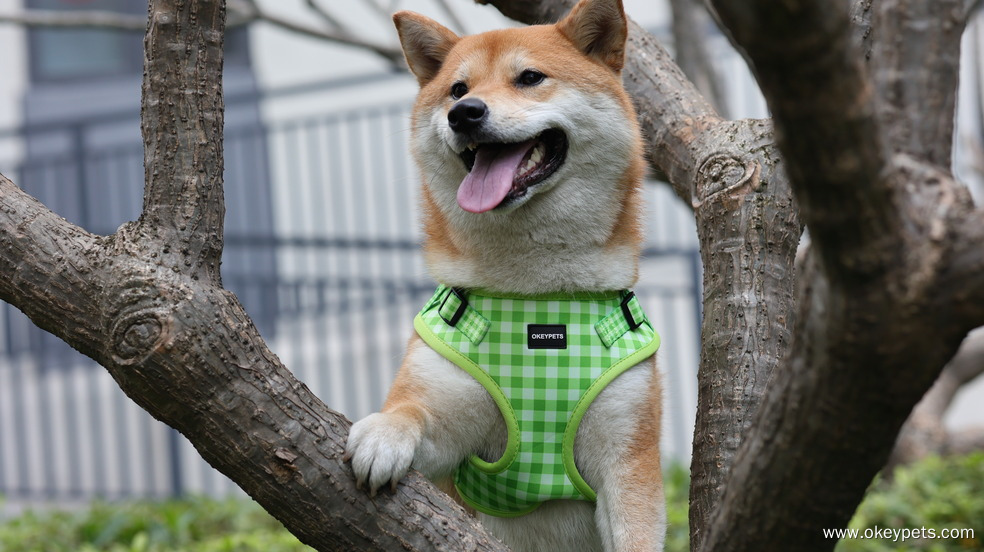
o Material Options: Harnesses also offer various materials such as nylon, mesh, padded neoprene, and lightweight or heavy-duty fabrics for different uses.
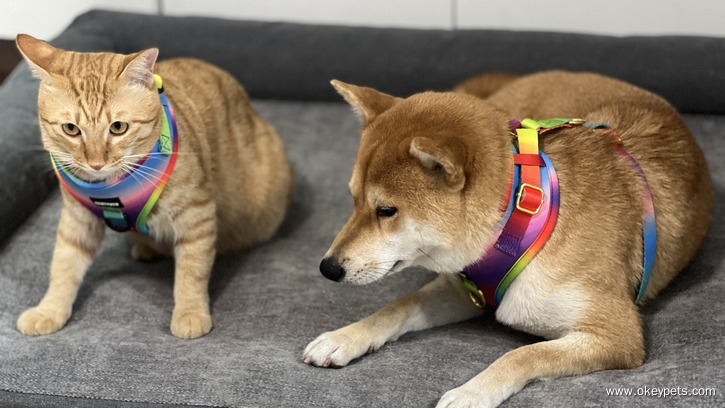
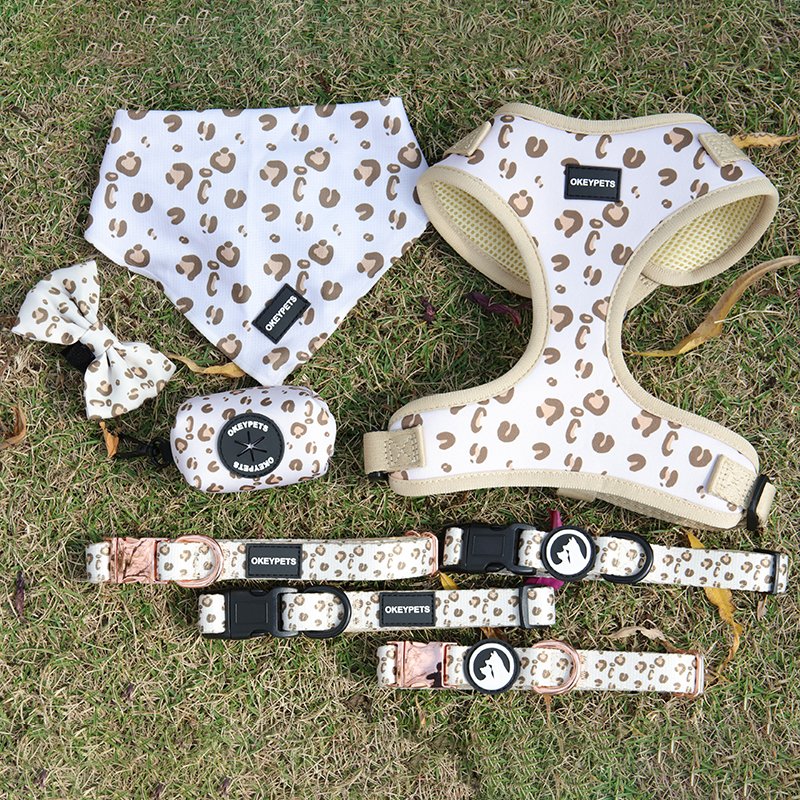
o Design Variety: There is a wide range of harness styles, such as back-clip harnesses, front-clip harnesses, and no-pull designs that help with training and control. Harnesses also come in a variety of colors, patterns, and shapes for different body types.
o Functional Features: Many harnesses have added features, such as reflective strips for nighttime safety, handles for lifting the dog, or adjustable parts for a better fit.
6. Training and Behavior Management
Dog Collar:
o Less Control for Pullers: While collars are great for well-behaved dogs, they offer little control when it comes to curbing pulling behavior. For dogs that haven’t yet been leash-trained, a collar might not be sufficient to stop them from pulling.
o Limited Behavior Management: Collars are less effective for dogs that tend to lunge or react to stimuli, as they offer limited leverage over the dog’s movements.
Dog Harness:
o Better for Training: Harnesses, especially no-pull designs, are better for training dogs that pull or have reactive behaviors. Front-clip harnesses allow better control over the dog’s direction, making it easier to discourage pulling.
o Behavioral Advantages: Harnesses give owners more control without risking injury to the dog’s neck, making it easier to manage energetic or reactive dogs during walks.
Conclusion: Which is Better?
Dog Collar:
· Best for: Well-trained dogs, quick trips, dogs that don’t pull, and for attaching ID tags.
· Consider: A collar can cause discomfort or injury for pullers or dogs with respiratory issues.
· Pros: Simple, affordable, lightweight, good for ID tags.
· Cons: Less control, risk of neck injury, not suitable for dogs that pull.
Dog Harness:
· Best for: Dogs that pull, puppies in training, dogs with fragile necks, and older dogs needing support.
· Consider: Harnesses are generally more expensive and require more effort to put on.
· Pros: Distributes pressure evenly, better for training, less risk of injury, more control.
· Cons: Can be pricier, bulkier, and more time-consuming to put on.
Ultimately, the choice between a collar and a harness depends on your dog’s behavior, health, and your personal needs. For dogs that pull or have respiratory issues, a harness is likely the better option, offering more comfort and control. However, for well-behaved dogs and those needing ID tags, a collar is simple, affordable, and effective for everyday use.

OKEYPETS's business philosophy is to devote itself to high-quality pet products. All in order to make our pets safe, comfortable and healthy.
The company supports our new customers to start a new business of pet products.Some hot selling styles MOQ Only 50 sets.
We wish OKEYPETS's professional can establish a win-win cooperation with you, and let us grow together.
Our website:www.okeypets.com;
Our Facebook:www.facebook.com/okeypetscollarleash;
Our instagram:www.instagram.com/okeypetscollarleash;
Our Youtube:https://www.youtube.com/channel/UC2HffVwHPNGaK8BHwxGg_ZA
our official emai address:sale@okeypets.com;
whatsapp:+(86) 183 1957 4312.
Contact us now , Let’s start work together.
ReviewsNumber of comments: {{ page.total }}
I want to comment?
{{item.nickname ? (item.nickname.slice(0, 2) + '*****') : item.source === 1 ? 'mall buyer' : '--'}}
{{item.comment_time}}
Review in the {{item.country}}
Reviews
Merchant
{{replyItem.nickname ? (replyItem.nickname.slice(0, 2) + '*****') : replyItem.source === 1 ? 'mall buyer' : '--'}}
{{replyItem.parent_nickname ? (replyItem.parent_nickname.slice(0, 2) + '*****') : '--'}}
{{replyItem.is_merchant_reply === 1 ? replyItem.reply_time : replyItem.comment_time}}
Review in the {{replyItem.country}}
Reviews

No customer reviews
Recommended for you
Get in touch with us
OKEYPETS specializes in providing high-quality dog harnesses, collars, leashes, and other pet accessories. We are committed to quality and customization to ensure that your products not only look great, but also provide a sense of comfort and safety.
QUICK LINKS
PRODUCTS
CONTACT US
Contact Person: OKEYPETS Bella
TEL/WHATSAPP: +8618319574312
E-MAIL: sale@okeypets.com
ADD: No. 777, Helong First Road, Helong Street, Baiyun District, Guangzhou, Guangdong, China,. 510000
Copyright © 2026 | GUANGZHOU OKEYPETS PRODUCTS CO.,LTD - www.okeypets.com All Rights Reserved. | Privacy Policy