January 17, 2025
![Dog Harness]()
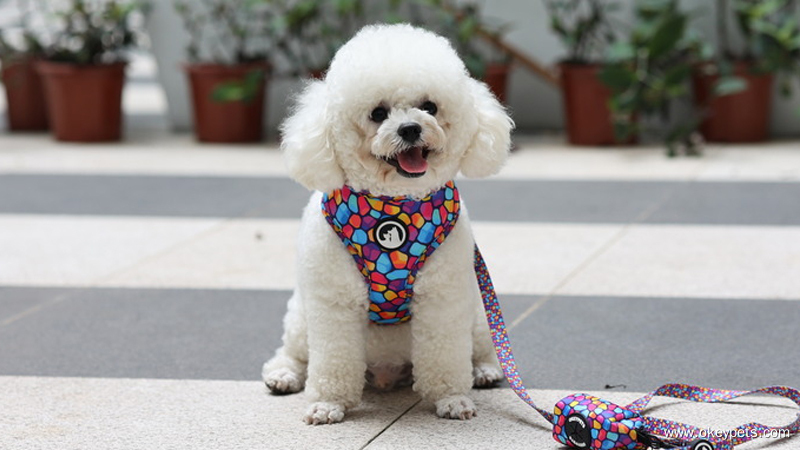
Small dogs may have big personalities, but their delicate builds require special attention, especially when it comes to walking and leash control. Harnesses are an excellent choice for small dogs, offering safety, comfort, and better control compared to traditional collars. In this article, we’ll explore the benefits of dog harnesses, the different types available, how to choose the right one, and the proper way to wear it.
What are the benefits of using a dog harness for small dogs?
Safety
Dog harnesses help distribute pressure to your dog's chest and shoulders instead of concentrating it on the neck. This is especially important for small breeds, whose windpipes can be delicate and easily injured by the tugging or yanking of the leash.
Control
Dog harnesses provide better control over your dog and are a great choice for those energetic or excitable pups. They effectively help control pulling behavior, making walks more enjoyable for you and your pet.
Reduces the risk of escape
Comfort
Dog harnesses are generally better suited for small dogs, especially those with delicate necks. Harnesses allow dogs to have a full range of motion without causing discomfort or restricting breathing.
What Types of Harnesses Are Available?
There are various types of dog harnesses that cater to different needs. Here are five popular types:
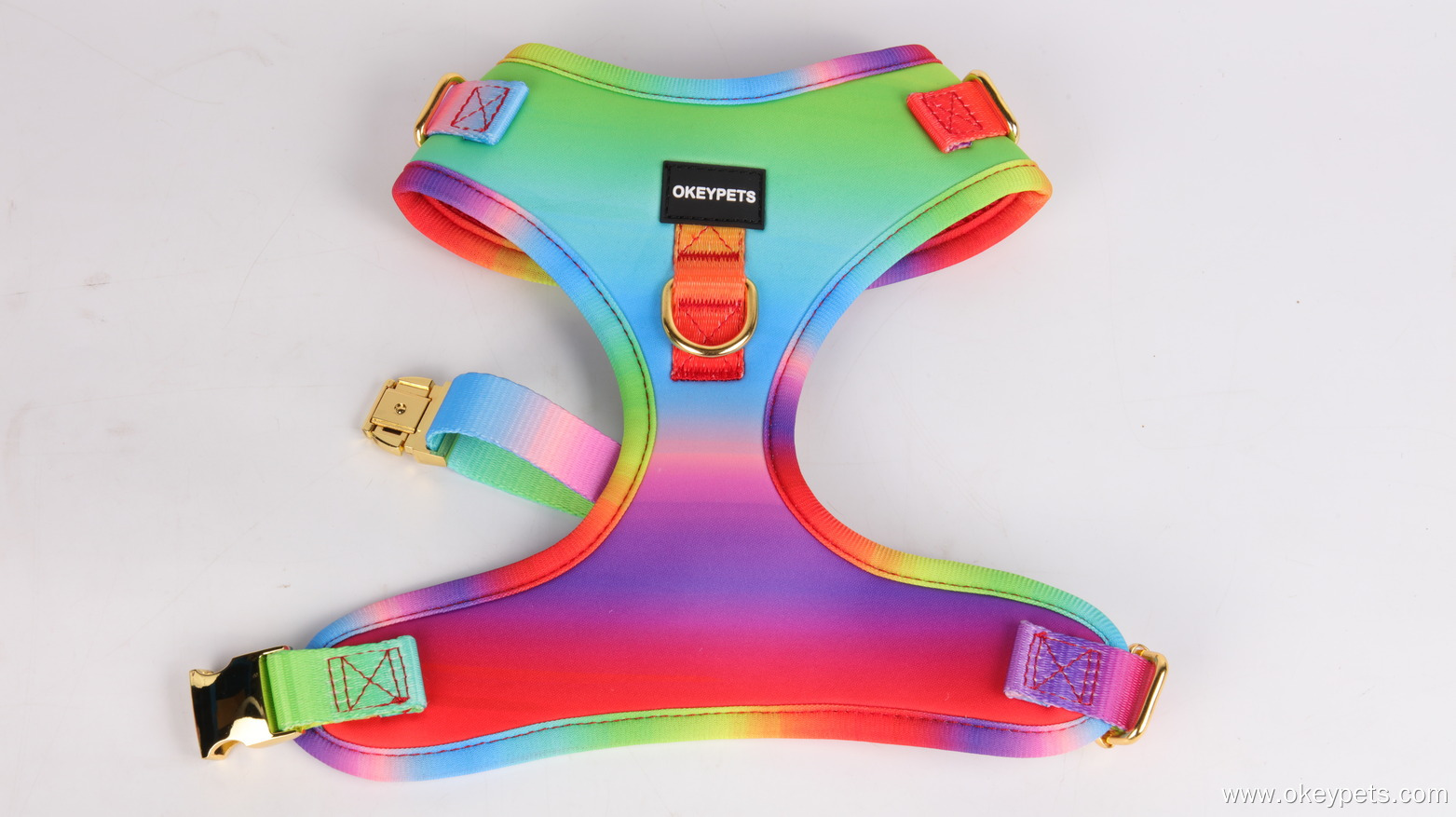
Neoprene Dog Harness
Material Overview: Neoprene is a synthetic rubber known for its flexibility, durability, and water resistance.
Advantages:
Water-Resistant: Ideal for dogs that love water or live in rainy climates.
Comfortable: Soft to the touch, preventing chafing and irritation on the dog’s skin.
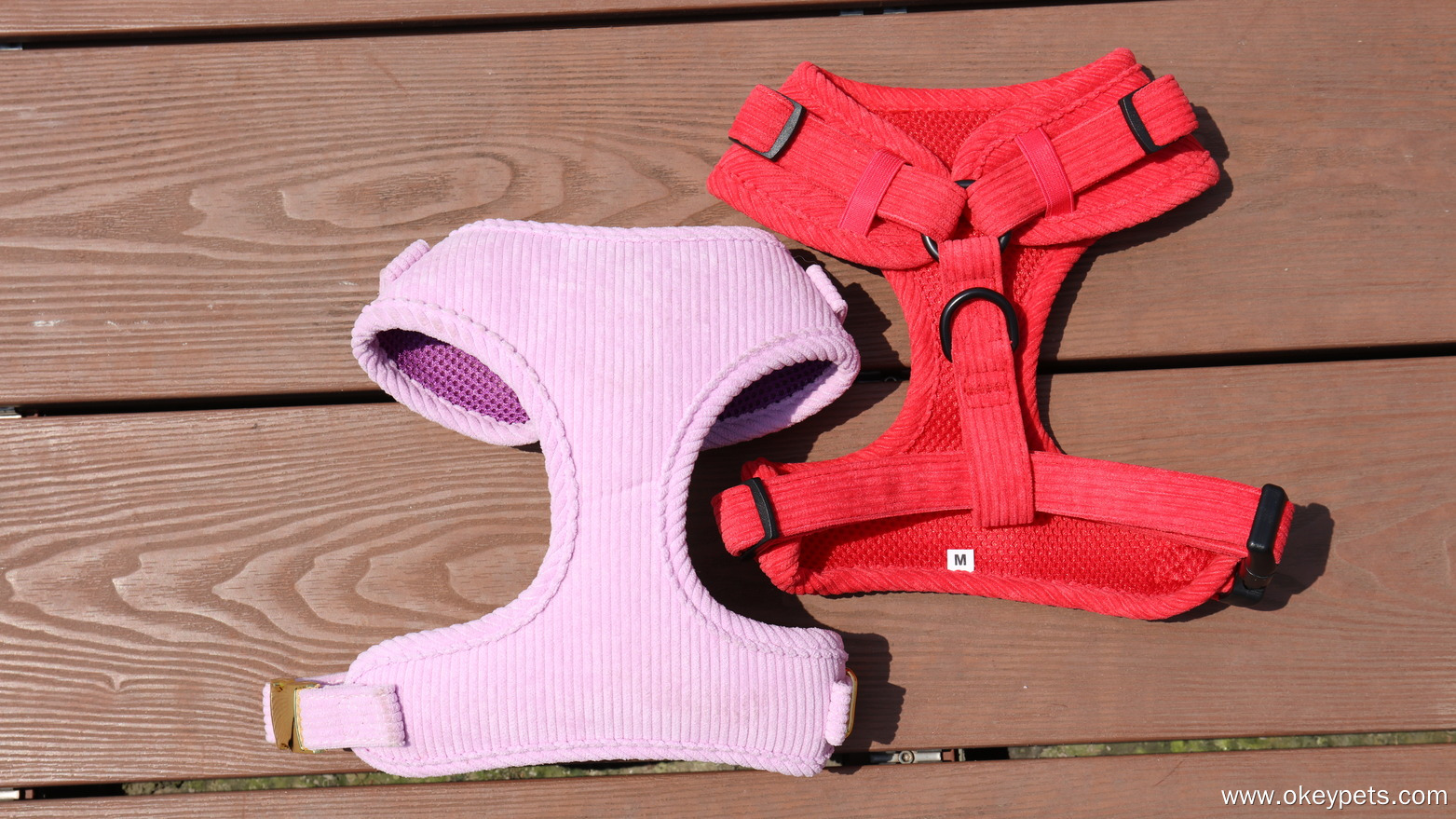
Corduroy Dog Harness
Material Overview: Corduroy is a textile with distinctive raised ridges or wales, known for its softness and warmth.
Advantages:
Comfortable: Soft and gentle on the skin, which is excellent for sensitive dogs.
Warmth: Suitable for cooler climates, offering extra warmth during cold seasons.
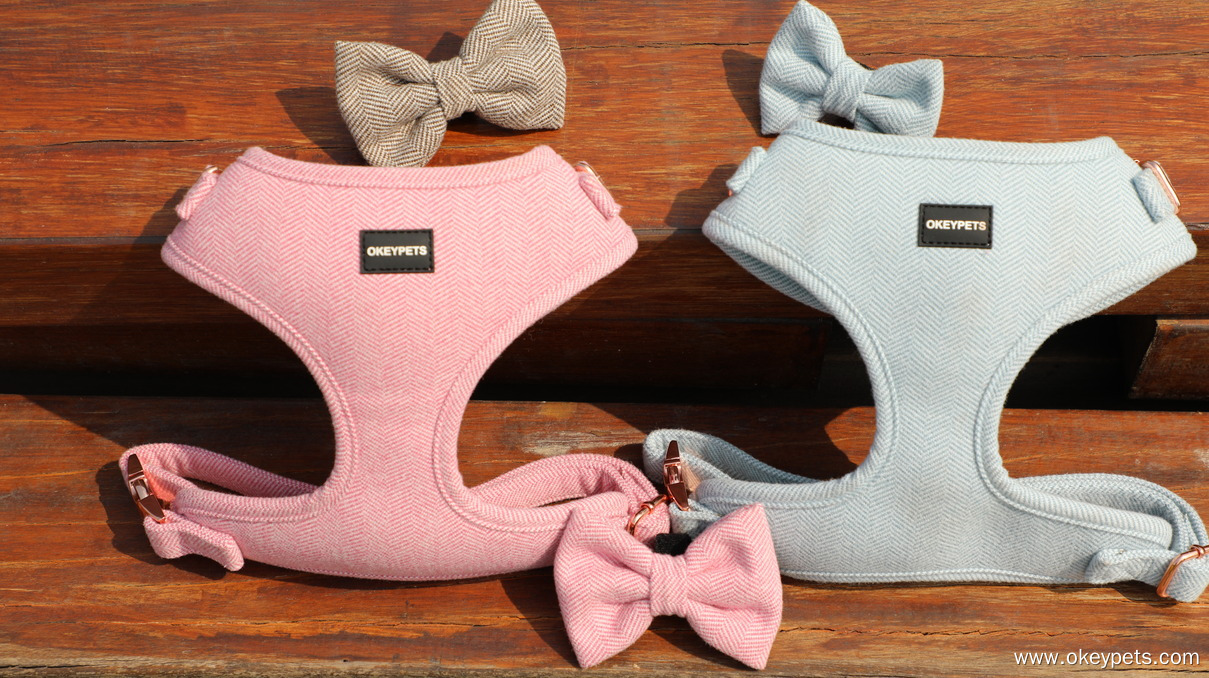
Twill Dog Harness
Material Overview: Twill refers to a weaving pattern that creates a diagonal rib pattern. This material can be made from cotton, polyester, or a blend.
Advantages:
Durable: The tight weave of twill fabric is durable, making it resistant to tearing and wear.
Soft: Despite its durability, twill is generally soft, ensuring comfort for the dog.
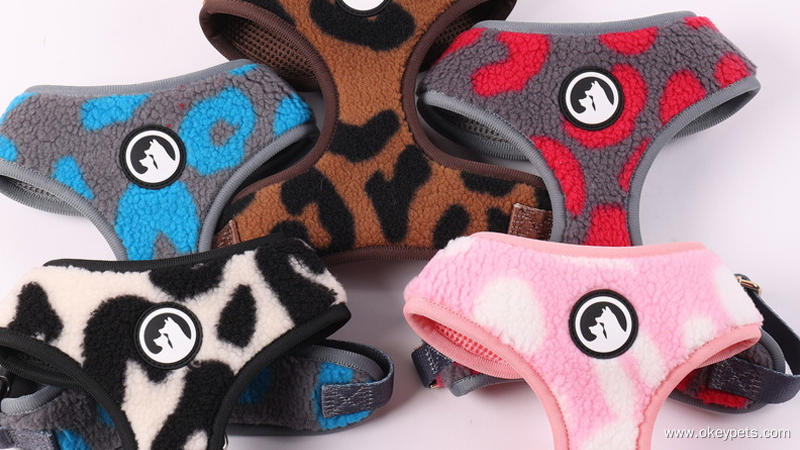
Sharpa Dog Harness
Material Overview: Sharpa, or faux shearling, mimics the texture of wool, providing a soft and fluffy surface.
Advantages:
Comfort and Warmth: Extremely soft and comfortable for dogs, making it ideal for cold climates.
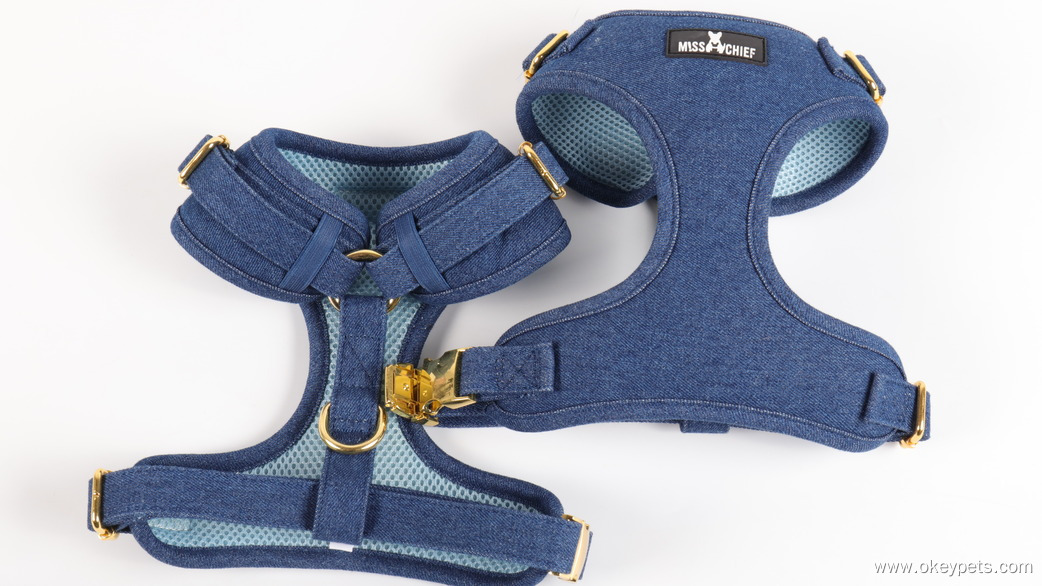
Denim Dog Harness
Material Overview: Denim is a sturdy cotton twill textile, commonly known for its use in jeans.
Advantages:
Durable: Denim is tough and long-lasting, suitable for daily use and active dogs.
Comfortable: Over time, denim can become soft and mold to the shape of the dog’s body.
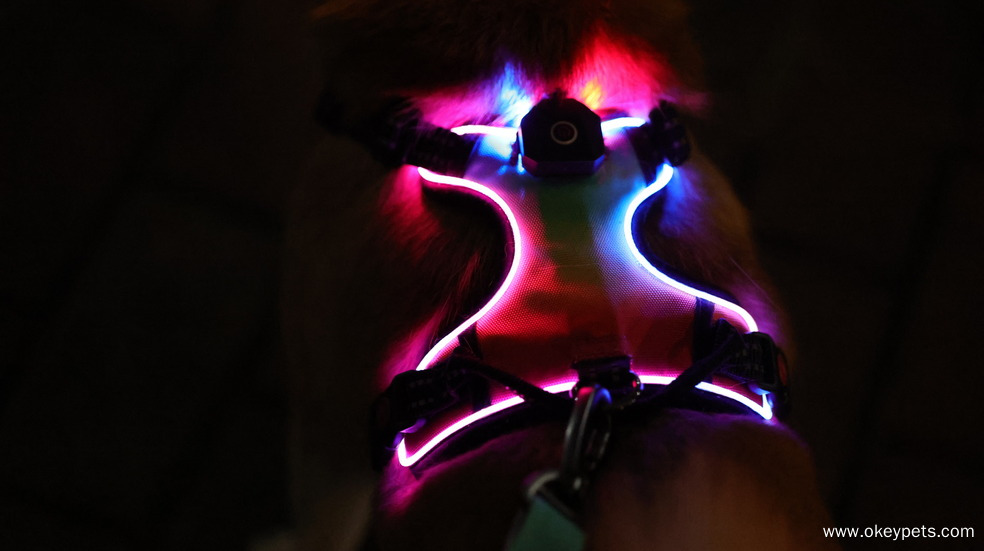
Reflective Dog Harness
Overview: High-brightness reflective materials are sewn or pasted on the surface or edge of the dog harness/LED lights are installed at appropriate positions on the dog harness
Advantages:
Safety: Equipped with LED lights/reflective strips, dogs can be more easily seen at night or in low-light environments, which can effectively avoid vehicle collisions, dog loss, etc., and improve the safety of dogs during outdoor activities.
How to Choose a Dog Harness for Your Dog?
Choosing the right harness requires considering several factors to ensure safety, comfort, and functionality.
Size and Adjustability
Small dogs come in all different sizes, so choosing a harness with adjustable straps is essential for a comfortable and secure fit. Measure your dog's chest and neck size accurately to find the right size.
Material
The material of the harness affects durability and comfort. Look for lightweight, breathable materials such as nylon or mesh for small dogs. Padding can also enhance comfort, especially for dogs with sensitive skin.
Reflective Strips
A dog harness with reflective strips makes your dog more visible and safe when you go out at night.
How to Wear a Dog Harness Correctly?
Properly wearing a harness ensures your dog's safety and comfort. Follow these steps:
Adjust before wearing
Put the dog harness flat on the ground and make sure all straps are unfastened.
Identify the front and back straps. The front strap usually goes around the dog's chest, while the back strap goes around the torso, just behind the front legs. Adjust the straps to the loosest position before putting the harness on your dog.
Putting the Harness on
Encourage your dog to put his front legs through the leg holes and into the harness. Lift the harness over your dog's back so the front strap is across your dog's chest and the back strap is parallel to your dog's spine.
Buckle Up
Secure the buckles on the sides of the harness. Make sure the buckles are secure, but not too tight. You should be able to fit two fingers comfortably between the harness and your dog's skin.
Adjust the Fit
Make sure the front straps don't dig into your dog's armpits or restrict movement. Check the back straps to make sure they lie flat against your dog's back, don't twist or move, and are loose enough to allow them to move and breathe comfortably.
Conclusion
Small dogs benefit significantly from wearing harnesses, as they provide enhanced safety, improved control, and greater comfort compared to collars. Choosing the right harness involves considering size, material, and functionality, while ensuring it fits properly. With the right harness, you can make walks safer and more enjoyable for both you and your furry companion.
OKEYPETS is a pet product manufacturer with many years of experience in customizing dog harnesses, collars, leashes, and other dog products. We have a complete production system and staffing, with 80 people in the workshop responsible for specific production operations and 20 people in the business team to connect with the market and expand business. We provide a variety of customization services, including custom logos, custom patterns, custom materials, custom sizes, and custom products. If you want to start your dog product business, please contact us.