



Guangzhou OKEYPETS Products Co.,Ltd, Which a professional pet products company. OKEYPETS have passed the ISO90001 certification system and BSCI certification system.
OKEYPETS focuses on all kinds of pet products. The company's main products are Collars, Leashes, Harness for dogs and cats. Dog rope leashes, pets Life jackets, pets clothes, pet toys, pet accessories, and other pet products. The company has been engaged in pet products for many years, we often participates in professional pet products exhibitions in China and abroad.
What Do I Do If My Dog Hates His Harness?
2024-12-27
Table of Contents
Hello fellow pet enthusiasts, it’s Bella from OKEYPETS! Today, we’ll explore why some dogs don’t like wearing harnesses, how to help your dog get used to one, tips for choosing the right harness, and how long it typically takes for dogs to adapt. This guide is designed to provide you with the necessary insights to ensure your dog enjoys wearing a harness and that walking time becomes a pleasant experience for both of you.
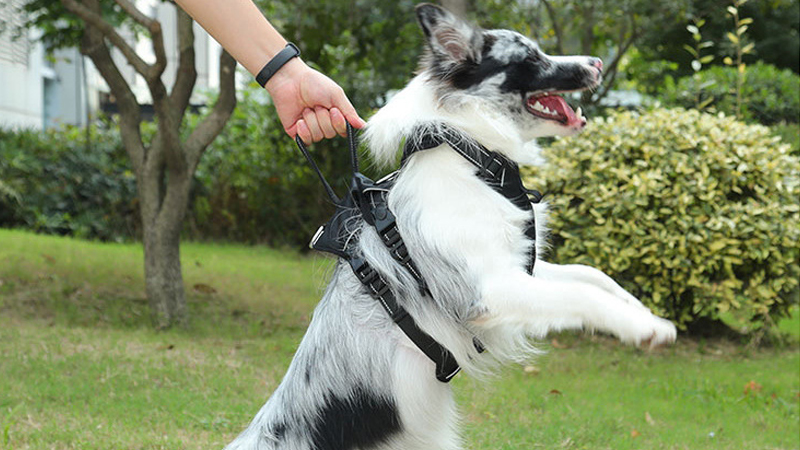
Why Do Dogs Dislike Wearing a Harness?
There are several reasons why dogs might resist wearing a harness. Understanding these reasons is the first step toward overcoming the challenge.
1. Unfamiliarity with the Harness
For dogs that have never worn a harness before, it can feel strange or uncomfortable. The sensation of something new around their body might cause anxiety, especially if it’s a tight fit or made from an unfamiliar material. Dogs are creatures of habit, and new sensations can be met with wariness.
2. Discomfort or Poor Fit
A harness that doesn’t fit properly can cause discomfort. If it’s too tight, it may rub against the dog’s skin, causing irritation. If it’s too loose, it may shift around and cause chafing or restrict movement. A poor-fitting harness can lead to negative associations with wearing it.
3. Restricting Movement
Dogs are naturally active and love to run and play freely. Some harnesses, especially those that are too restrictive, can limit a dog’s range of motion, making them feel constrained. This can be especially noticeable in dogs who are used to wearing collars instead of harnesses.
4. Negative Experiences
If a dog has had negative experiences with a harness in the past—such as being forced to wear one or experiencing pain while wearing it—these associations can create a fear of harnesses. Dogs have excellent memories and can remember unpleasant experiences, which might make them hesitant to wear one again.
5. Lack of Positive Reinforcement
If you’ve only tried putting the harness on your dog without offering positive reinforcement or taking steps to associate the harness with fun and positive experiences, your dog might not understand why it’s worth tolerating.
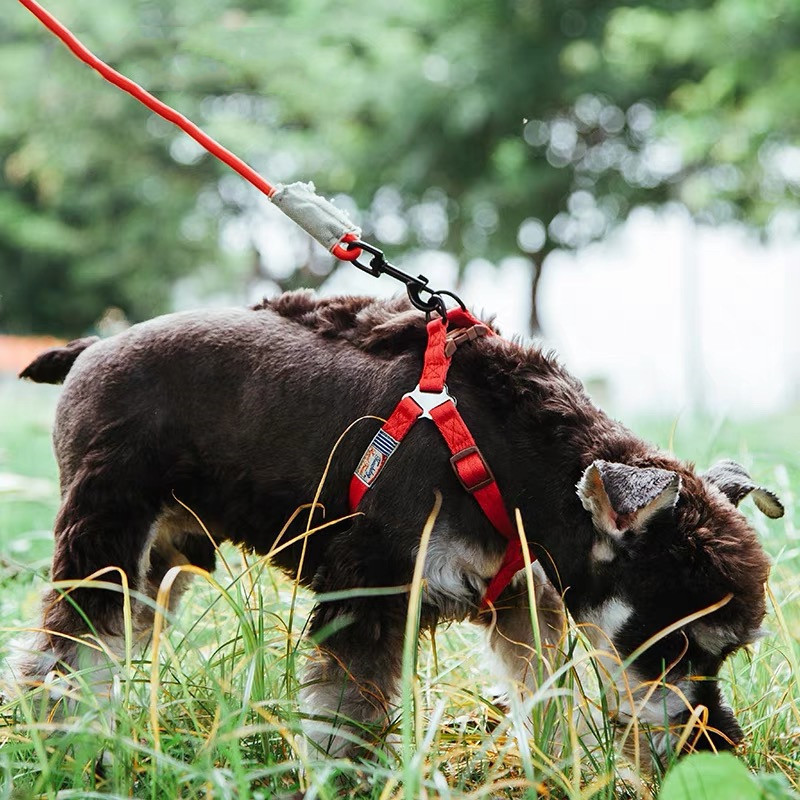
How to Help Your Dog Like Wearing a Harness
Patience and positive reinforcement are key when training your dog to wear a harness. Here’s how to make the process smoother:
1. Introduce the Harness Gradually
Start by letting your dog sniff the harness. Allow them to explore it without forcing them to wear it immediately. This step helps reduce the anxiety that comes with seeing the harness for the first time. Once your dog is comfortable with the harness, you can begin to slowly put it on them.
2. Use Positive Reinforcement
Whenever your dog interacts with the harness, reward them with treats, praise, or their favorite toy. The goal is to create positive associations with the harness so that your dog sees it as something that brings rewards. This will help them feel more relaxed and less stressed when it’s time to wear the harness.
3. Start with Short Sessions
Begin by putting the harness on your dog for short periods. At first, just let your dog wear it for a few minutes while they are inside the house. Gradually increase the amount of time they wear it. During this time, offer treats and praise to help them associate the harness with good things.
4. Avoid Forcing the Harness
Never force a harness onto your dog if they are resisting. This could increase their anxiety and make the process more difficult. Instead, be patient and allow your dog to get used to the harness at their own pace. Forcing it on them could create negative associations.
5. Practice Walking Indoors
Once your dog is comfortable wearing the harness indoors, you can start practicing walking with it. Use a leash and walk them around the house or yard. This will help them get used to the feeling of being restrained and will help you assess if the harness fits properly. Again, reward them with treats and praise during these practice sessions.
6. Keep Sessions Short and Positive
As you continue practicing, keep sessions short and positive. Gradually increase the duration and start to take short walks outside once your dog seems comfortable with the harness. Always ensure your dog is relaxed and enjoying the experience. If they seem overwhelmed, take a break and try again later.
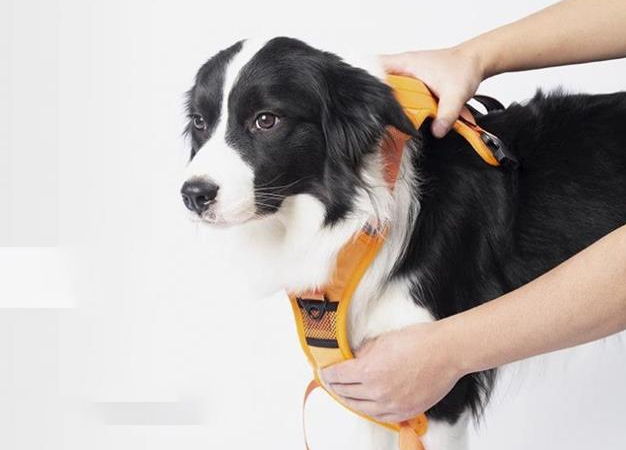
How to Choose the Right Harness for Your Dog
Choosing the right harness is crucial to ensuring comfort and avoiding resistance. A harness that fits well and is made from the right material will make the experience much more pleasant for your dog.
1. Size and Fit
The most important factor when choosing a harness is ensuring it fits properly. A harness that is too tight can cause discomfort, while a loose one can chafe or fall off. Measure your dog’s chest and neck before purchasing a harness to ensure the correct size. Many harnesses come with adjustable straps to help achieve the perfect fit.
2. Material
Look for a harness made from soft, breathable, and comfortable materials. Nylon and mesh harnesses are popular choices because they are lightweight and provide good ventilation. Avoid harnesses with rough or stiff materials that might irritate your dog’s skin.
3. Style of Harness
There are various styles of harnesses to consider:
Back-Clip Harness: Ideal for dogs that don’t pull. The leash attachment is on the back, allowing for more control and less strain on the neck.
Front-Clip Harness: Helps prevent pulling by placing the leash attachment at the front of the chest. This is ideal for dogs that tend to pull on walks.
Step-In Harness: Easier to put on, as the dog steps into the harness. This can be a great option for dogs that are not used to having things put over their head.
4. Padding and Comfort
Look for a harness with padding in key areas such as the chest and belly. This will help prevent chafing and increase comfort, especially during longer walks.
5. Durability
Choose a harness that is durable and well-constructed, particularly if you plan on taking your dog on outdoor adventures. Look for strong stitching, high-quality buckles, and reinforced straps to ensure the harness can handle the wear and tear of daily use.
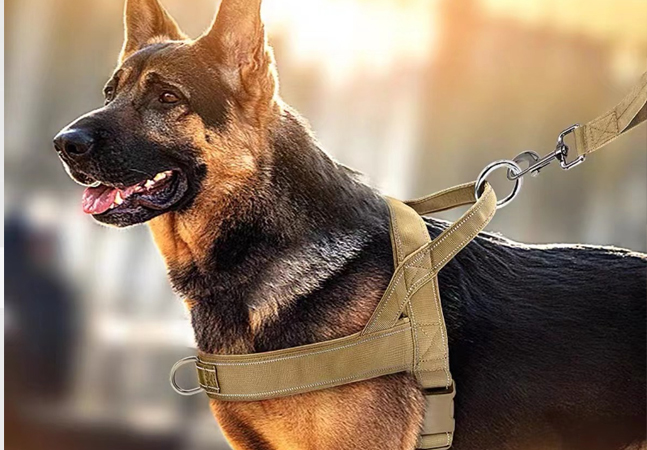
How Long Does It Take for Dogs to Adapt to a Harness?
The time it takes for a dog to adapt to wearing a harness can vary depending on the dog’s temperament, past experiences, and how gradually the process is introduced. Generally, it can take anywhere from a few days to a few weeks for most dogs to become comfortable wearing a harness.
Some dogs may take to the harness immediately, while others may need several weeks of gradual training. The key is consistency, patience, and positive reinforcement. If you continue to work with your dog at their own pace, they will likely learn to associate the harness with positive experiences and will eventually tolerate—or even enjoy—wearing it.
Conclusion
While it may take some time for dogs to get used to wearing a harness, it’s an important investment for their comfort and safety during walks. By understanding why your dog may resist a harness and using positive reinforcement techniques, you can help them overcome their fear or discomfort. Choosing the right harness that fits well and is made of comfortable materials will also ensure a smooth transition. With patience and practice, your dog will learn to love wearing a harness, and you’ll both enjoy safer, more enjoyable walks together.
OKEYPETS is the leading custom dog harness manufacturer of adjustable harnesses for dogs and other items that people may use when walking their dogs. Our goal is to make dog walking easy for pet owners by providing valuable accessories. We offer a variety of customization services including custom logos, custom patterns, custom materials, custom sizes and custom products and more. If you want to start your dog products business, check out our website and contact us today.
ReviewsNumber of comments: {{ page.total }}
I want to comment?
{{item.nickname ? (item.nickname.slice(0, 2) + '*****') : item.source === 1 ? 'mall buyer' : '--'}}
{{item.comment_time}}
Review in the {{item.country}}
Reviews
Merchant
{{replyItem.nickname ? (replyItem.nickname.slice(0, 2) + '*****') : replyItem.source === 1 ? 'mall buyer' : '--'}}
{{replyItem.parent_nickname ? (replyItem.parent_nickname.slice(0, 2) + '*****') : '--'}}
{{replyItem.is_merchant_reply === 1 ? replyItem.reply_time : replyItem.comment_time}}
Review in the {{replyItem.country}}
Reviews

No customer reviews
Recommended for you
Get in touch with us
OKEYPETS specializes in providing high-quality dog harnesses, collars, leashes, and other pet accessories. We are committed to quality and customization to ensure that your products not only look great, but also provide a sense of comfort and safety.
QUICK LINKS
PRODUCTS
CONTACT US
Contact Person: OKEYPETS Bella
TEL/WHATSAPP: +8618319574312
E-MAIL: sale@okeypets.com
ADD: No. 777, Helong First Road, Helong Street, Baiyun District, Guangzhou, Guangdong, China,. 510000
Copyright © 2026 | GUANGZHOU OKEYPETS PRODUCTS CO.,LTD - www.okeypets.com All Rights Reserved. | Privacy Policy