



OKEYPETS's business philosophy is to devote itself to high-quality pet products. All in order to make our pets safe, comfortable and healthy.
The company supports our new customers to start a new business of pet products.Some hot selling styles MOQ Only 50 sets.
We wish OKEYPETS's professional can establish a win-win cooperation with you, and let us grow together.
Our website:www.okeypets.com;
Our Facebook:www.facebook.com/okeypetscollarleash;
Our instagram:www.instagram.com/okeypetscollarleash;
Our Youtube:https://www.youtube.com/channel/UC2HffVwHPNGaK8BHwxGg_ZA
our official emai address:sale@okeypets.com;
whatsapp:+(86) 183 1957 4312.
Contact us now , Let’s start work together.
Should You Buy a GPS Collar for Your Pet? Pet GPS Collars: Materials, Functions
2024-11-26
Table of Contents
In today’s fast-paced world, keeping your pets safe is a top priority. Pet GPS collars have become a vital tool for pet owners who want to ensure their furry friends’ safety and provide peace of mind. This guide explores the materials and functions of GPS collars, the types of pets that can use them, essential precautions, and recommendations to ensure your pet stays comfortable while wearing one.
What Are Pet GPS Collars Made Of?
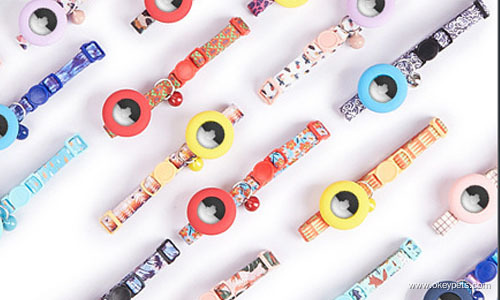
Pet GPS collars combine advanced technology with durable and pet-friendly materials to create a secure and functional accessory. Here’s a breakdown of the typical components:
1. Collar Band Material
Nylon: Lightweight, durable, and resistant to wear and tear, making it suitable for active pets.
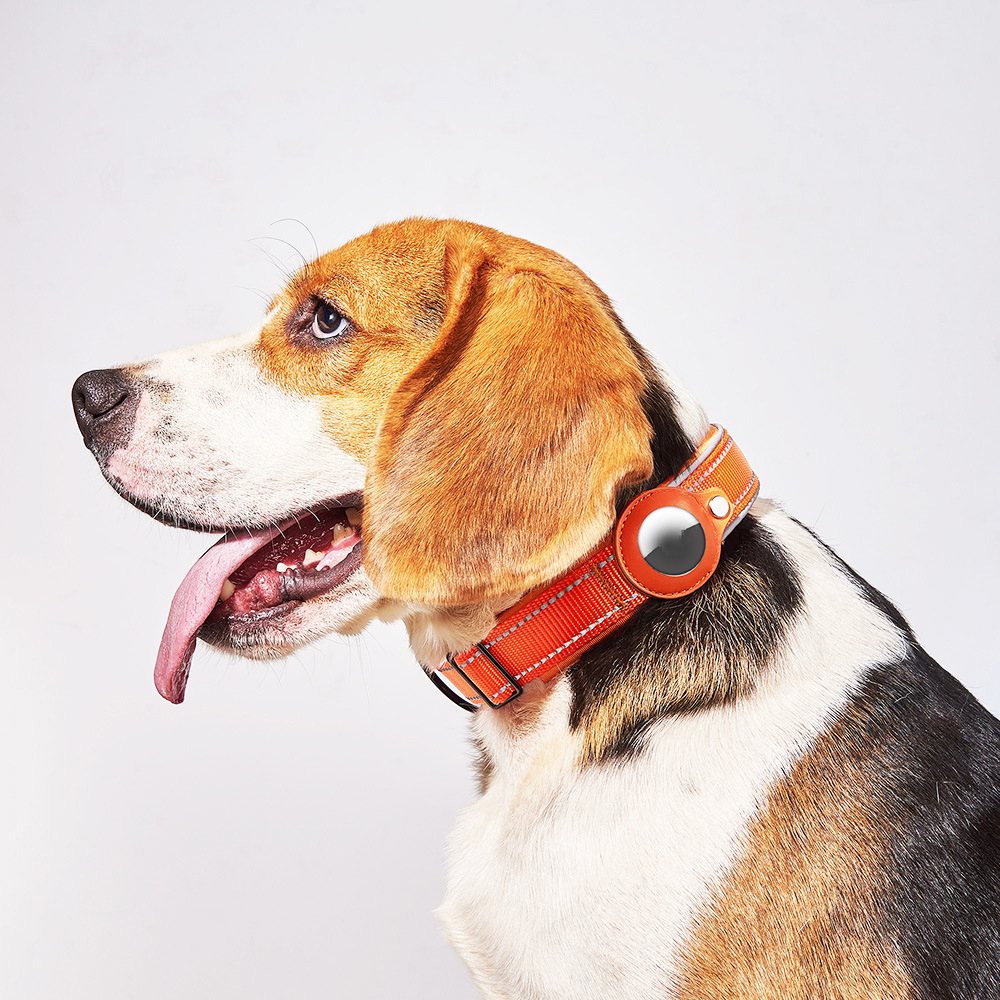
Leather: Provides a premium, stylish look while offering durability and comfort. However, it can be heavier than other options.
Silicone or TPU (Thermoplastic Polyurethane): Soft, waterproof, and hypoallergenic, making it ideal for pets with sensitive skin or those frequently in wet environments.
2. GPS Device Housing
Plastic or Polycarbonate: Lightweight and robust, protecting the internal electronics from impact.
Waterproof Enclosure: Many GPS collars are designed with water-resistant materials to withstand rain, splashes, or even submersion.
3. Fasteners and Adjustments
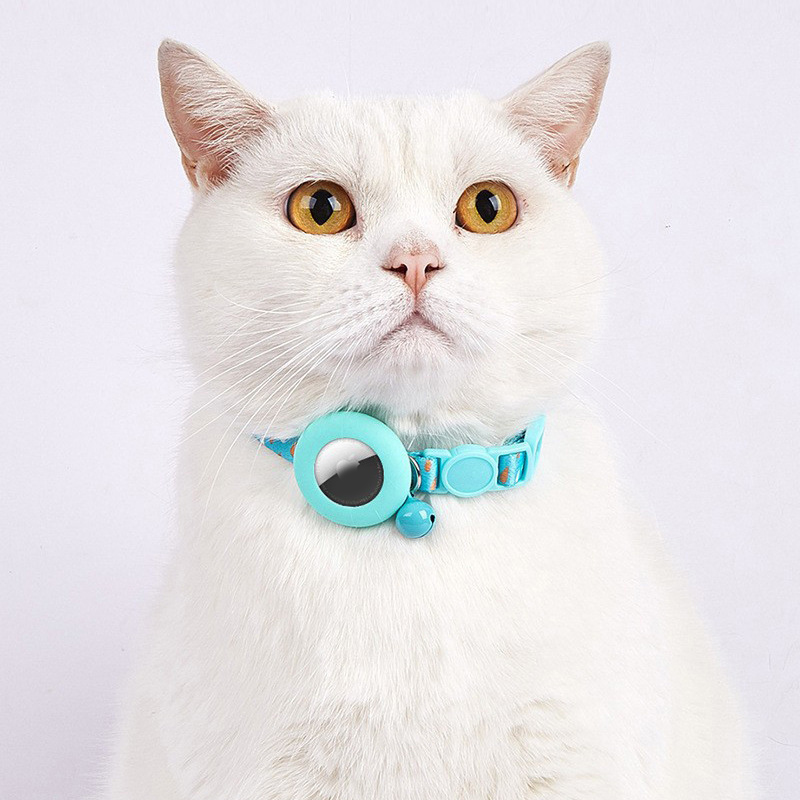
Adjustable buckles or Velcro straps ensure a snug fit for pets of various sizes. Breakaway designs are available for cats to prevent injury in case the collar gets caught.
Functions of Pet GPS Collars
Modern pet GPS collars offer a variety of features beyond basic tracking. Here are the primary functions:
1. Real-Time Location Tracking
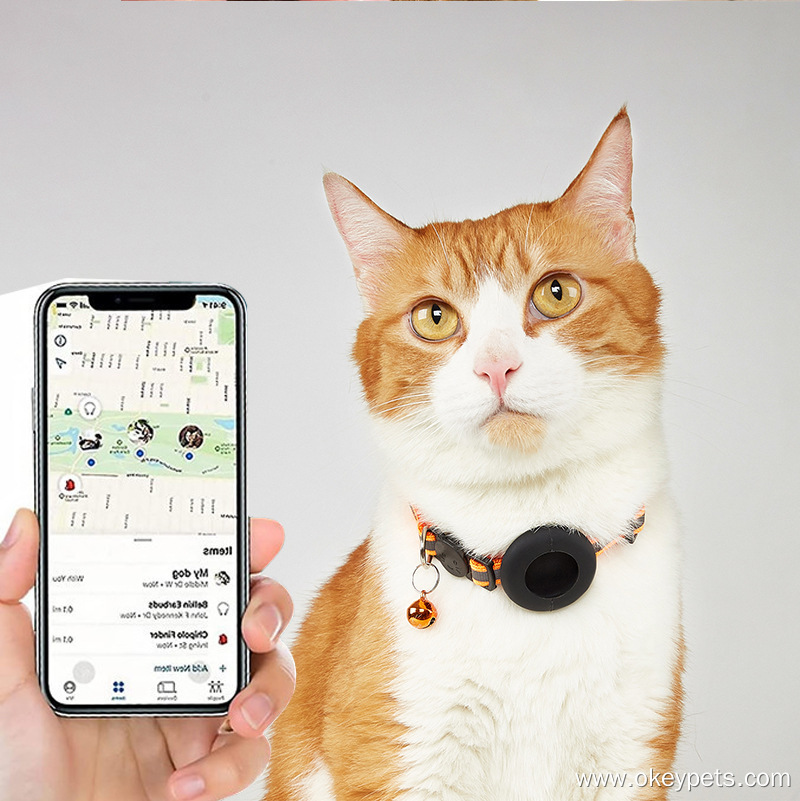
GPS collars allow pet owners to track their pet’s location in real time via a connected smartphone app. This is especially useful for pets that tend to wander.
2. Geofencing
Geofencing enables you to set safe zones for your pet. If your pet leaves the designated area, the collar sends an alert to your phone, helping you act quickly.
3. Activity Monitoring
Many collars include activity trackers, providing data about your pet’s daily movements, exercise levels, and rest patterns. This feature is particularly valuable for monitoring health.
4. Two-Way Communication
Some advanced GPS collars have built-in speakers or microphones, allowing you to communicate with your pet remotely.
5. Battery Alerts
Most collars notify owners when the battery is running low, ensuring the device remains operational at all times.
Which Pets Can Use GPS Collars?
While GPS collars are most commonly associated with dogs, they are versatile enough to be used on various pets. Here’s a closer look at which animals can benefit:
1. Dogs
Dogs of all sizes, from small breeds to large ones, can wear GPS collars. They are especially useful for adventurous or escape-prone dogs.
2. Cats
Specially designed lightweight GPS collars cater to cats, as they require a smaller, less obtrusive design. Breakaway collars are essential for feline safety.
3. Farm Animals
Horses, goats, and other livestock can benefit from GPS collars, allowing farmers to track their animals in large outdoor areas.
4. Exotic Pets
For exotic pets like large birds or reptiles that roam outdoors, lightweight GPS trackers can be adapted for secure usage.
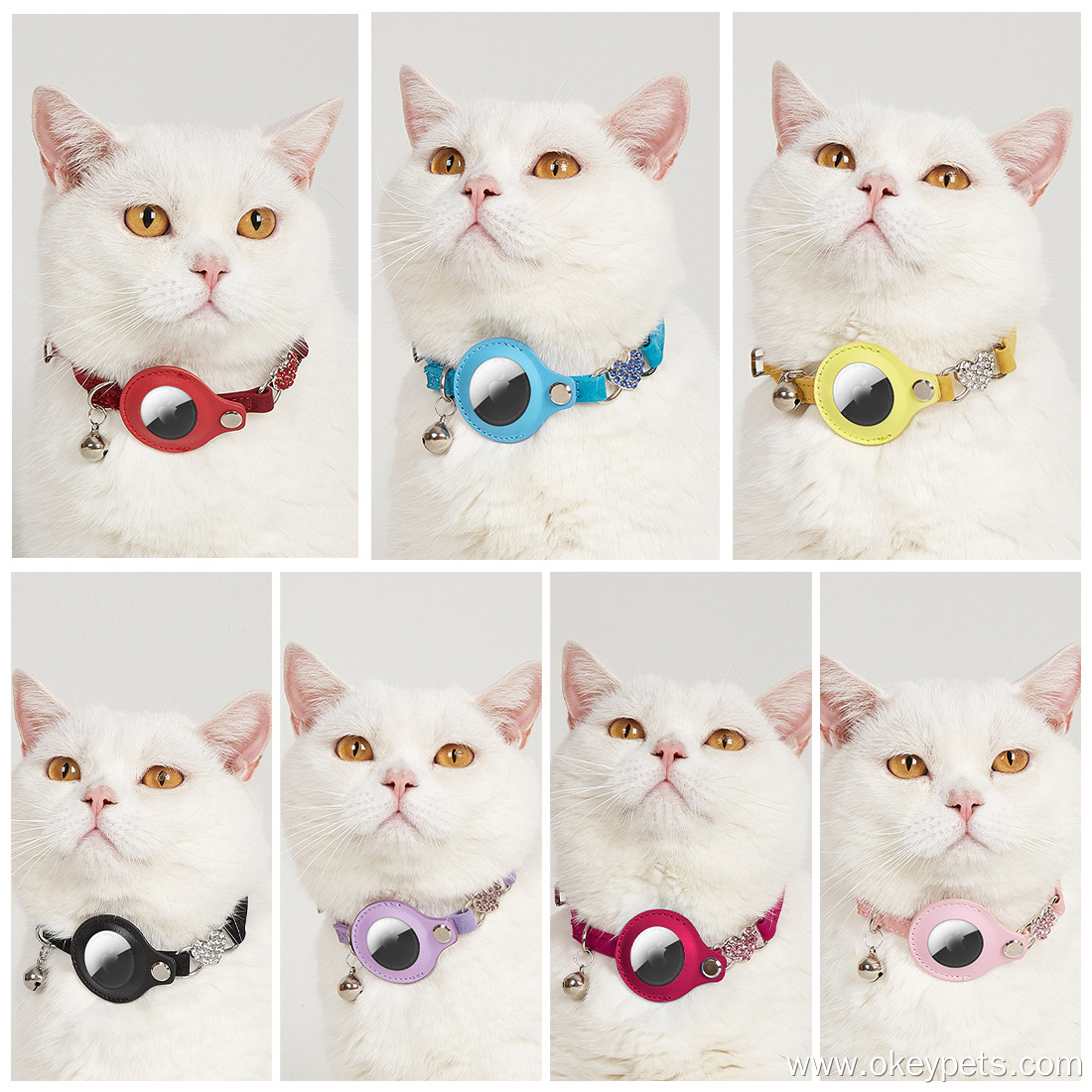
Precautions When Using GPS Collars
To ensure the safety and effectiveness of a GPS collar, keep these precautions in mind:
1. Choose the Right Size and Fit
An ill-fitting collar can cause discomfort or even injury. Make sure the collar is snug but not too tight—two fingers should fit comfortably between the collar and your pet’s neck.
2. Regularly Check for Wear and Tear
Inspect the collar and GPS device frequently for signs of damage. Replace the collar if it shows significant wear to ensure continued safety.
3. Monitor Battery Life
A dead battery renders the GPS function useless. Charge the collar regularly and consider models with extended battery life for added convenience.
4. Waterproofing
Ensure the collar is water-resistant or waterproof, especially if your pet enjoys swimming or lives in a rainy climate.
5. Use Geofencing Wisely
Set up geofencing zones thoughtfully, ensuring they cover safe areas and account for potential hazards like roads or bodies of water.
6. Be Mindful of Weight
For smaller pets, choose lightweight models to prevent strain on their necks.
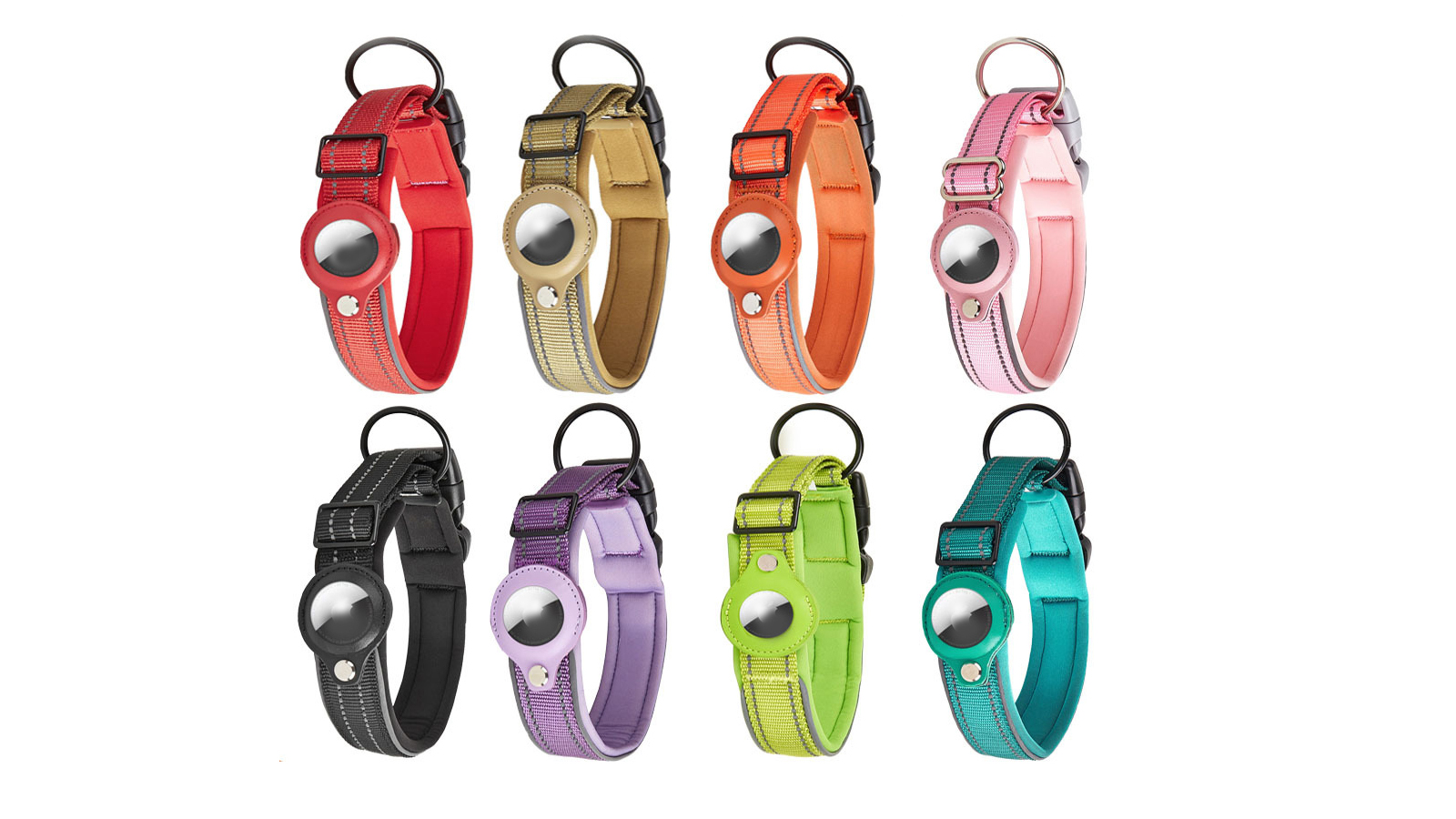
Suggestions for Pets Wearing GPS Collars
To make the experience comfortable and beneficial for your pet, consider the following tips:
1. Gradual Introduction
Introduce the GPS collar gradually by letting your pet wear it for short periods. Reward them with treats or praise to build a positive association.
2. Check Fit Regularly
As pets grow or their weight fluctuates, the collar’s fit may need adjustment. Regularly reassess the collar to ensure it remains comfortable.
3. Pair with ID Tags
While GPS collars are excellent for tracking, always include a traditional ID tag with your contact information as a backup.
4. Test the Tracking System
Before relying on the collar, test the GPS function to ensure it operates as expected. Familiarize yourself with the tracking app’s features.
5. Keep Your Pet’s Preferences in Mind
Every pet is unique—some may take time to adapt to wearing a collar. Choose a design and material that suits your pet’s lifestyle and comfort.
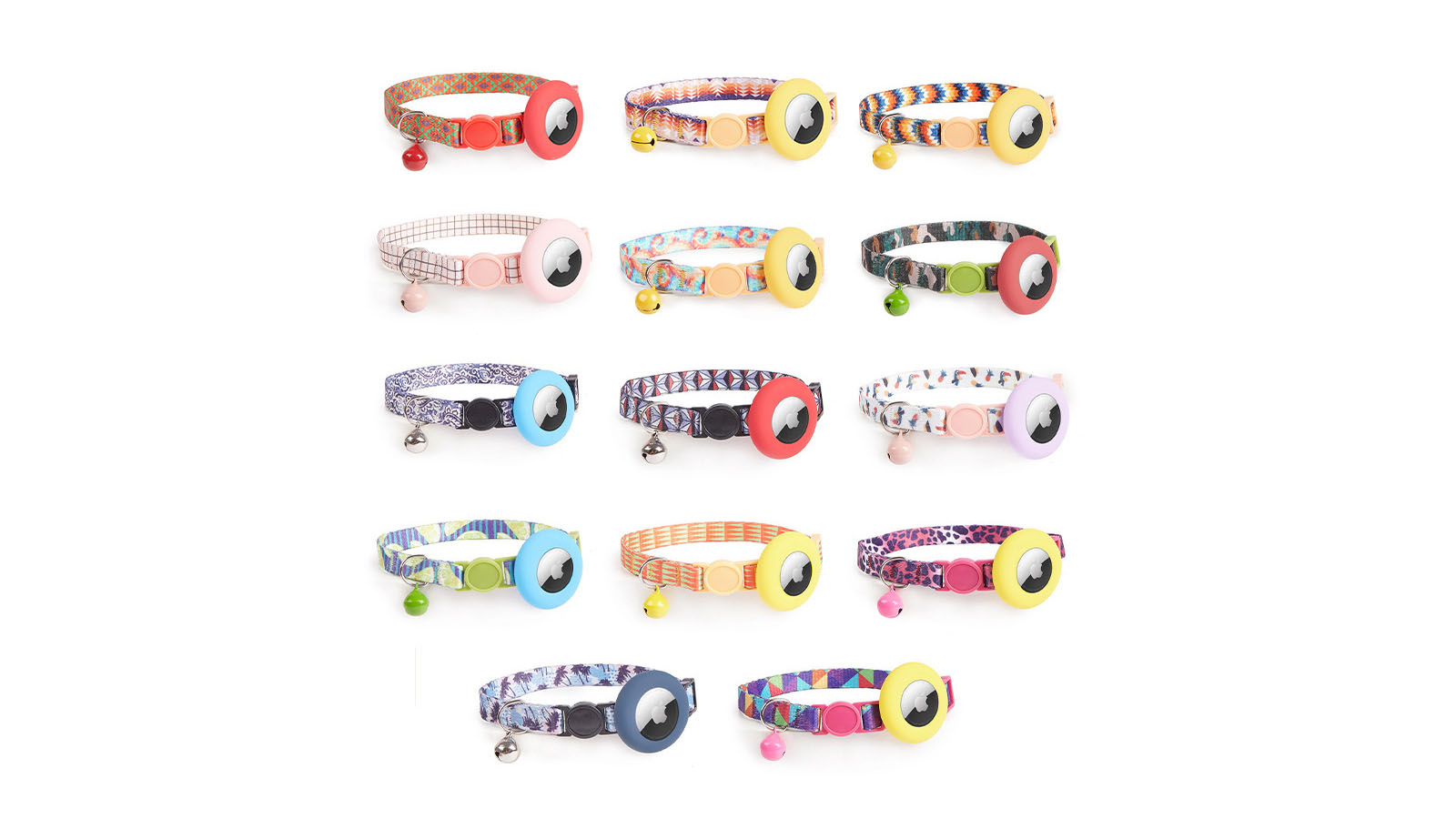
Conclusion
Pet GPS collars are a game-changer for pet safety and management. By understanding the materials, functions, and best practices for use, you can provide your pet with a secure and comfortable tracking solution. Whether you’re a dog owner worried about your adventurous pup or a cat parent keeping tabs on an outdoor explorer, investing in a GPS collar can give you peace of mind and help keep your pet safe.
Remember to choose a collar suited to your pet’s size, weight, and habits, and always prioritize comfort and safety. With the right GPS collar, your pet can enjoy freedom and exploration while you stay connected and reassured.
ReviewsNumber of comments: {{ page.total }}
I want to comment?
{{item.nickname ? (item.nickname.slice(0, 2) + '*****') : item.source === 1 ? 'mall buyer' : '--'}}
{{item.comment_time}}
Review in the {{item.country}}
Reviews
Merchant
{{replyItem.nickname ? (replyItem.nickname.slice(0, 2) + '*****') : replyItem.source === 1 ? 'mall buyer' : '--'}}
{{replyItem.parent_nickname ? (replyItem.parent_nickname.slice(0, 2) + '*****') : '--'}}
{{replyItem.is_merchant_reply === 1 ? replyItem.reply_time : replyItem.comment_time}}
Review in the {{replyItem.country}}
Reviews

No customer reviews
Recommended for you
Get in touch with us
OKEYPETS specializes in providing high-quality dog harnesses, collars, leashes, and other pet accessories. We are committed to quality and customization to ensure that your products not only look great, but also provide a sense of comfort and safety.
QUICK LINKS
PRODUCTS
CONTACT US
Contact Person: OKEYPETS Bella
TEL/WHATSAPP: +8618319574312
E-MAIL: sale@okeypets.com
ADD: No. 777, Helong First Road, Helong Street, Baiyun District, Guangzhou, Guangdong, China,. 510000
Copyright © 2026 | GUANGZHOU OKEYPETS PRODUCTS CO.,LTD - www.okeypets.com All Rights Reserved. | Privacy Policy