



OKEYPETS's business philosophy is to devote itself to high-quality pet products. All in order to make our pets safe, comfortable and healthy.
The company supports our new customers to start a new business of pet products.Some hot selling styles MOQ Only 50 sets.
We wish OKEYPETS's professional can establish a win-win cooperation with you, and let us grow together.
Our website:www.okeypets.com;
Our Facebook:www.facebook.com/okeypetscollarleash;
Our instagram:www.instagram.com/okeypetscollarleash;
Our Youtube:https://www.youtube.com/channel/UC2HffVwHPNGaK8BHwxGg_ZA
our official emai address:sale@okeypets.com;
whatsapp:+(86) 183 1957 4312.
Contact us now , Let’s start work together.
Dog Poop Bags: A Better Way to Dispose of Dog Waste!
2024-11-20
Table of Contents
Dog poop bags are an essential item for every pet owner. They ensure cleanliness, hygiene, and proper waste disposal when walking your dog or cleaning your backyard. While they may seem like a minor detail, understanding the materials, sealing methods, durability, and eco-friendliness of these bags can help you make informed decisions. In this guide, we’ll delve into the critical aspects of dog poop bags, their features, and the best scenarios for their use.
Materials of Dog Poop Bags
The materials used in making dog poop bags vary, and each has its pros and cons:
Plastic (Polyethylene or Polypropylene):
Traditional plastic bags are commonly used due to their strength and low cost. However, these bags take hundreds of years to decompose, contributing to plastic pollution.
Pros: Strong, affordable, water-resistant.
Cons: Not environmentally friendly.
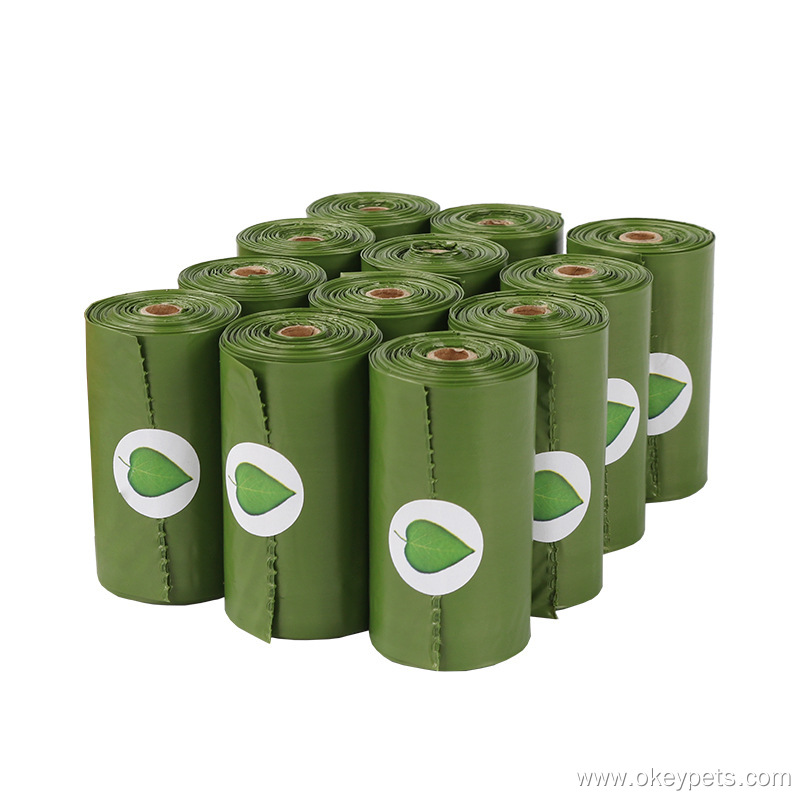
Biodegradable Plastics (e.g., PLA or PBAT):
Biodegradable poop bags are a more eco-conscious choice. These are made from plant-based materials like cornstarch and can break down in composting conditions. However, they may still leave microplastics if not disposed of properly.
Pros: More eco-friendly, similar strength to traditional plastics.
Cons: Require specific composting conditions to degrade fully.
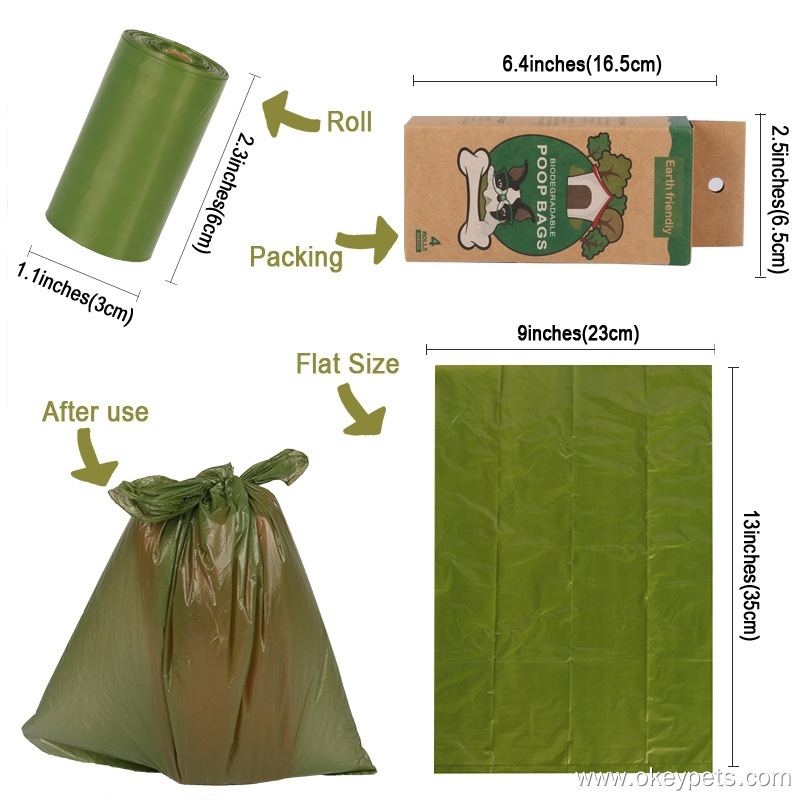
Compostable Bags:
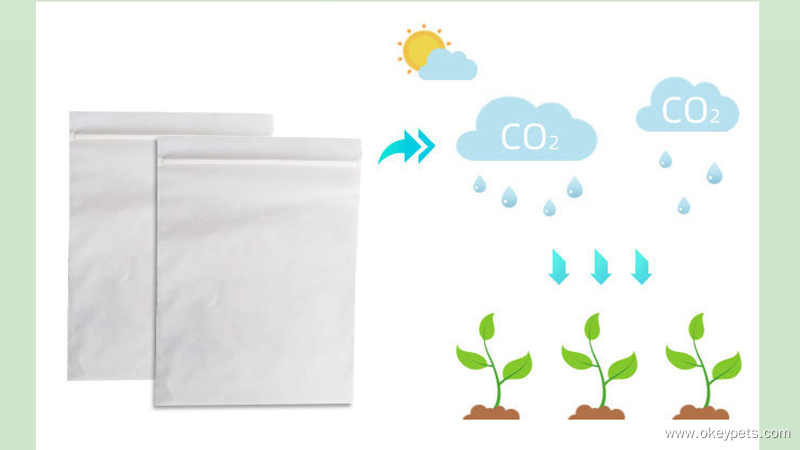
Compostable bags are the gold standard for eco-friendliness. Made from organic materials, such as plant starch, these bags break down entirely into non-toxic compounds under industrial composting conditions.
Pros: Fully decomposes, environmentally safe.
Cons: Pricier, less durable than plastic options.
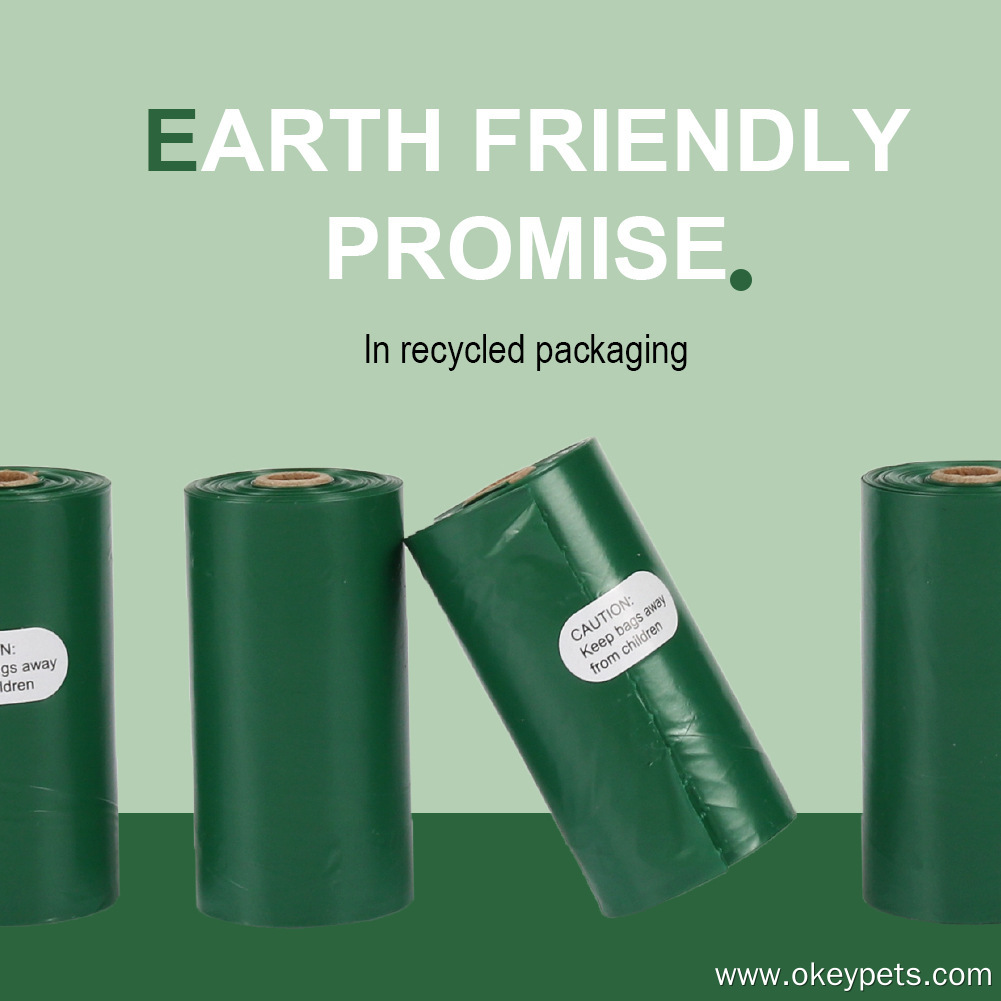
Sealing Mechanisms of Dog Poop Bags
Sealing a poop bag securely is essential to prevent leakage and odor escape. Modern poop bags incorporate various sealing methods:
Standard Open-Top Bags:
These require you to tie a knot at the top after use. They are simple but may not seal odors effectively.
Drawstring Bags:
Equipped with built-in strings, these are easy to seal and carry. They are especially convenient when walking your dog in public areas.
Zip-Seal Bags:
Some bags come with zip-lock mechanisms, ensuring a tight seal and preventing any leakage. They are perfect for situations where you cannot dispose of the waste immediately.
Self-Sealing Bags:
Innovative self-sealing bags feature adhesive closures or automatic sealing mechanisms, making them highly convenient for pet owners.
Bearing Capacity and Durability
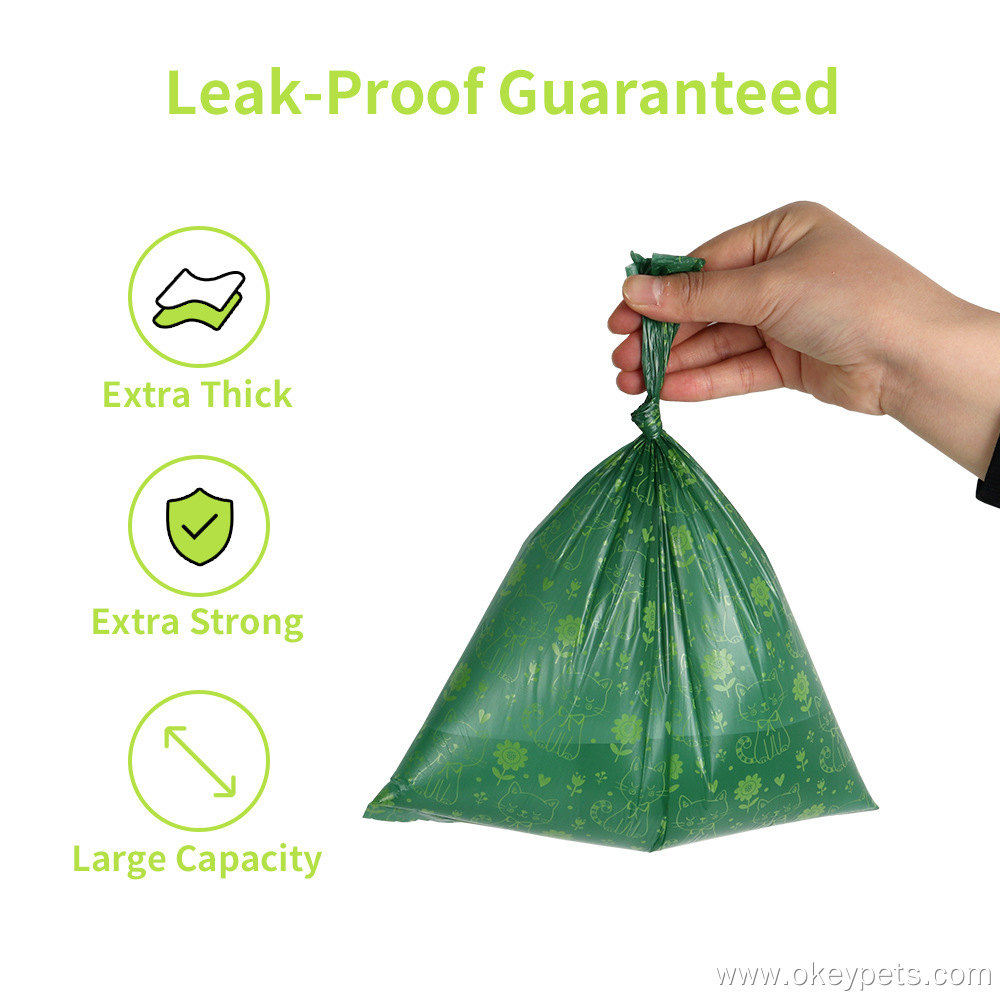
The bearing capacity of a poop bag is a critical feature. You need a bag that can handle the weight and consistency of waste without tearing. Key factors to consider include:
Thickness:
Thicker bags are more durable and less likely to tear. A bag with a thickness of 15-20 microns is generally suitable for small to medium-sized dogs, while larger breeds may require even sturdier options.
Stretchability:
Bags made from stretchy materials can accommodate larger amounts of waste without breaking.
Leakproof Design:
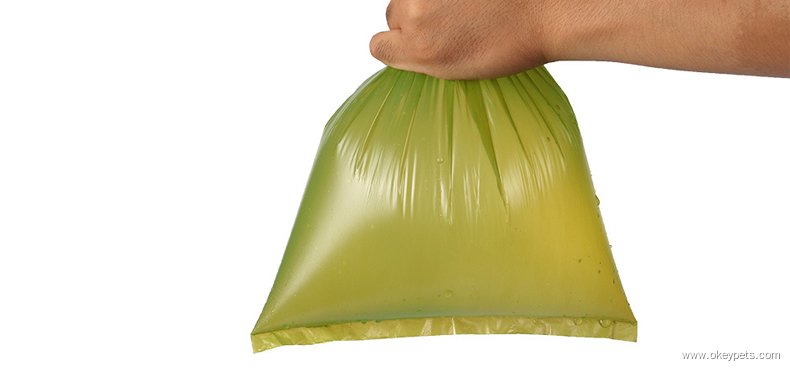
High-quality bags are often double-layered or feature reinforced seams to prevent leakage, ensuring cleanliness and hygiene.
Choosing the Right Poop Bags for Different Scenarios
Different situations may call for specific types of poop bags:
Daily Walks:
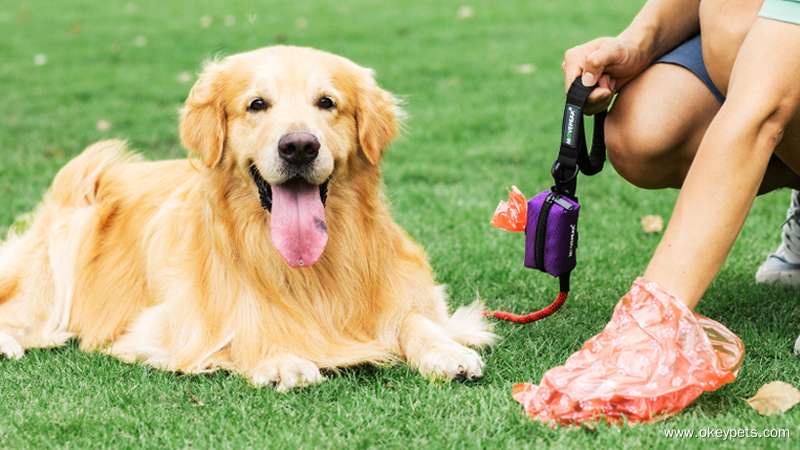
For quick disposal during walks, standard biodegradable or plastic bags with easy-to-tie tops are sufficient. Drawstring bags are also great for added convenience.
Long Hikes or Travel:
When you’re far from disposal points, consider zip-seal or self-sealing bags to contain odors and prevent leakage.
Backyard Cleanup:
Compostable bags are ideal for backyard cleanup, especially if you have a home composting system. Ensure the waste complies with composting guidelines.
Urban Areas:
In cities where waste bins are readily available, lightweight biodegradable bags are a practical choice. Look for bags that are compact and easy to carry.
Eco-Friendliness: Are Poop Bags Truly Sustainable?
Eco-conscious pet owners are increasingly concerned about the environmental impact of dog poop bags. Here’s what to consider:
Certification:
Look for certifications like ASTM D6400 or EN 13432 on biodegradable or compostable bags. These standards ensure that the bags decompose as advertised.
Proper Disposal:
Even biodegradable bags require appropriate disposal methods. If sent to landfills, they may not degrade due to the lack of oxygen. Compostable bags, on the other hand, need industrial composting facilities for optimal breakdown.
Alternatives:
Some eco-conscious owners use reusable containers or dedicated pooper scoopers to minimize single-use waste. However, these may not be practical for everyone.
Frequently Asked Questions
Are biodegradable bags truly eco-friendly?
Yes, but only if disposed of properly in composting conditions. They are a better alternative to traditional plastics.
Can I flush dog poop down the toilet?
Some waste bags are flushable, but always check local regulations and ensure your plumbing can handle it.
How do I store dog poop bags?
Keep them in a dry, cool place to prevent degradation, especially for biodegradable or compostable bags.
By choosing the right poop bags and using them responsibly, you can ensure a clean and eco-friendly experience for both you and your furry friend!
Conclusion
Dog poop bags are an indispensable tool for responsible pet ownership. By understanding the materials, sealing options, and durability, you can choose the best poop bags for your needs while minimizing environmental impact. Whether you’re strolling through the park or cleaning your backyard, there’s a perfect poop bag for every scenario. Opt for eco-friendly options whenever possible, and always dispose of pet waste responsibly. A cleaner environment starts with small, thoughtful choices—and selecting the right dog poop bag is a step in the right direction.
ReviewsNumber of comments: {{ page.total }}
I want to comment?
{{item.nickname ? (item.nickname.slice(0, 2) + '*****') : item.source === 1 ? 'mall buyer' : '--'}}
{{item.comment_time}}
Review in the {{item.country}}
Reviews
Merchant
{{replyItem.nickname ? (replyItem.nickname.slice(0, 2) + '*****') : replyItem.source === 1 ? 'mall buyer' : '--'}}
{{replyItem.parent_nickname ? (replyItem.parent_nickname.slice(0, 2) + '*****') : '--'}}
{{replyItem.is_merchant_reply === 1 ? replyItem.reply_time : replyItem.comment_time}}
Review in the {{replyItem.country}}
Reviews

No customer reviews
Recommended for you
Get in touch with us
OKEYPETS specializes in providing high-quality dog harnesses, collars, leashes, and other pet accessories. We are committed to quality and customization to ensure that your products not only look great, but also provide a sense of comfort and safety.
QUICK LINKS
PRODUCTS
CONTACT US
Contact Person: OKEYPETS Bella
TEL/WHATSAPP: +8618319574312
E-MAIL: sale@okeypets.com
ADD: No. 777, Helong First Road, Helong Street, Baiyun District, Guangzhou, Guangdong, China,. 510000
Copyright © 2026 | GUANGZHOU OKEYPETS PRODUCTS CO.,LTD - www.okeypets.com All Rights Reserved. | Privacy Policy