Choosing the right collar or harness for your dog is more than just a matter of style—it's an essential part of ensuring their comfort, safety, and well-being. With countless types of dog collars and harnesses on the market, each designed for different purposes and types of dogs, it can be a bit overwhelming for a novice pet owner. In this guide, we’ll explore the materials used in dog collars and harnesses, discuss which type is best suited for different dogs, and highlight the advantages and disadvantages of each option.
1. Understanding Dog Collar and Harness Materials
The material of a collar or harness impacts both durability and comfort. Here are the most common materials you’ll encounter:
Nylon: Lightweight, affordable, and durable, nylon collars and harnesses are a popular choice for everyday use. Nylon is also waterproof and comes in a variety of colors and patterns. However, some dogs with sensitive skin might find nylon collars irritating, especially if they are worn constantly.
Leather: Known for its durability and classic appearance, leather collars can last for years if properly cared for. They are comfortable and tend to be gentler on a dog's skin. Leather collars and harnesses are a bit more expensive and require regular maintenance to keep them supple and prevent cracking.
Neoprene: This synthetic rubber material is durable and waterproof, making it ideal for dogs that spend time in water. Neoprene is often used as padding in harnesses and collars to make them more comfortable, particularly for dogs prone to chafing.
Metal Chains: While not common for everyday use, metal chain collars are sometimes used as training collars. These should be used cautiously as they can cause injury if misused. They are best suited for short training sessions and should not be left on a dog unsupervised.
![Is it better for dogs to wear collars or leashes? 1]()
2. Choosing Between a Collar and a Harness
Choosing between a collar and a harness depends on your dog’s breed, size, and personality, as well as the specific needs you have as an owner.
When to Use a Collar
Collars are most suitable for:
Dogs with minimal pulling issues: If your dog walks well on a leash without excessive pulling, a collar is a simple and comfortable choice.
Small breeds and dogs with delicate necks: Some small dog breeds have sensitive tracheas and benefit from a lightweight collar.
Identification purposes: Collars are ideal for attaching ID tags, making them a quick way to identify a lost dog.
Pros of Collars:
Convenient and quick to put on.
Ideal for holding identification tags.
Generally less restrictive than harnesses.
Cons of Collars:
May cause strain or injury to a dog’s neck if the dog pulls excessively.
Not recommended for dogs with respiratory issues or delicate tracheas, such as pugs or bulldogs.
When to Use a Harness
![Is it better for dogs to wear collars or leashes? 2]()
Harnesses are well-suited for:
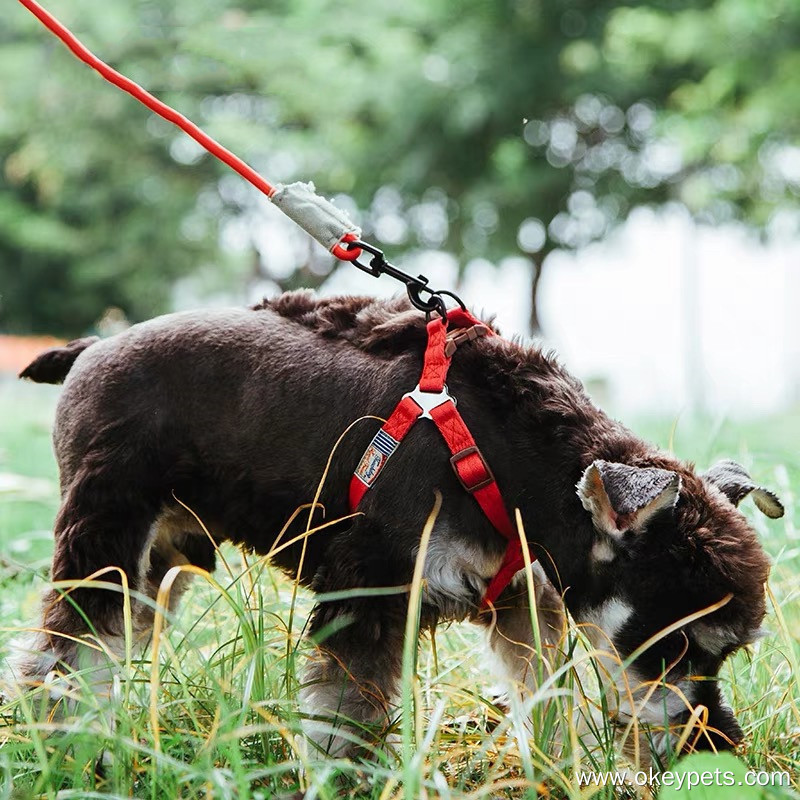
Dogs prone to pulling: A harness distributes the force of pulling across the dog’s chest rather than focusing on the neck, making it a safer option.
Dogs with respiratory issues: Flat-faced (brachycephalic) breeds, like French bulldogs, are more comfortable in harnesses, which prevent added pressure on their necks.
Training and control: Harnesses, especially those with a front clip, provide better control for training dogs not to pull.
Pros of Harnesses:
Reduces the risk of neck injuries from pulling.
Provides better control over strong or energetic dogs.
Distributes pressure across the chest, making it safer for dogs with respiratory issues.
Cons of Harnesses:
Can be more challenging to put on and adjust.
Some dogs may find harnesses restrictive or uncomfortable initially.
Slightly bulkier than collars, especially on small dogs.
![Is it better for dogs to wear collars or leashes? 3]()
3. Types of Collars and Harnesses
Both collars and harnesses come in a variety of styles, each suited to different purposes.
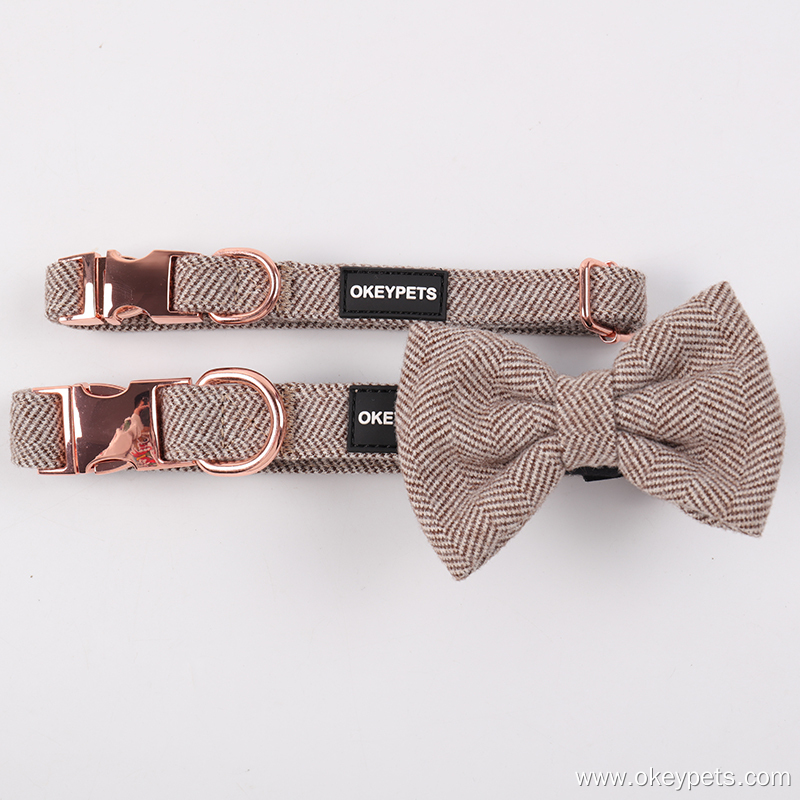
Standard Flat Collar: This simple collar is ideal for everyday use and comes with a buckle or snap closure.
Martingale Collar: Designed to tighten when pulled without choking, martingale collars are ideal for dogs with narrow heads, such as Greyhounds, as they prevent slipping.
Front-Clip Harness: Helps discourage pulling by attaching the leash to the front, redirecting the dog toward the owner.
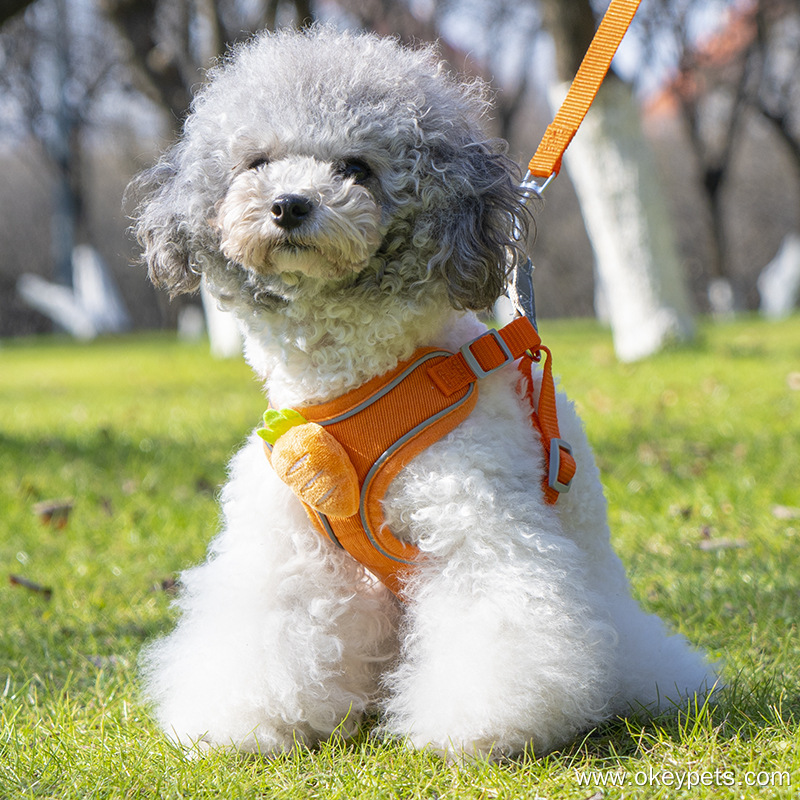
Back-Clip Harness: Attaches to the leash on the back, providing a more comfortable fit for dogs that do not pull much.
Dual-Clip Harness: Offers versatility with both a front and back clip, allowing owners to switch as needed for training or casual walks.
![Is it better for dogs to wear collars or leashes? 4]()
4. How to Choose the Right Size and Fit
Finding the right fit is crucial, whether you choose a collar or a harness. Here are some guidelines for ensuring a comfortable fit:
Measure Your Dog’s Neck and Chest: Use a flexible measuring tape to measure around the base of your dog’s neck for a collar and around the chest for a harness.
Leave Room for Comfort: A general rule is that you should be able to fit two fingers between the collar or harness and your dog’s body. Too tight can cause discomfort, while too loose can lead to slipping out.
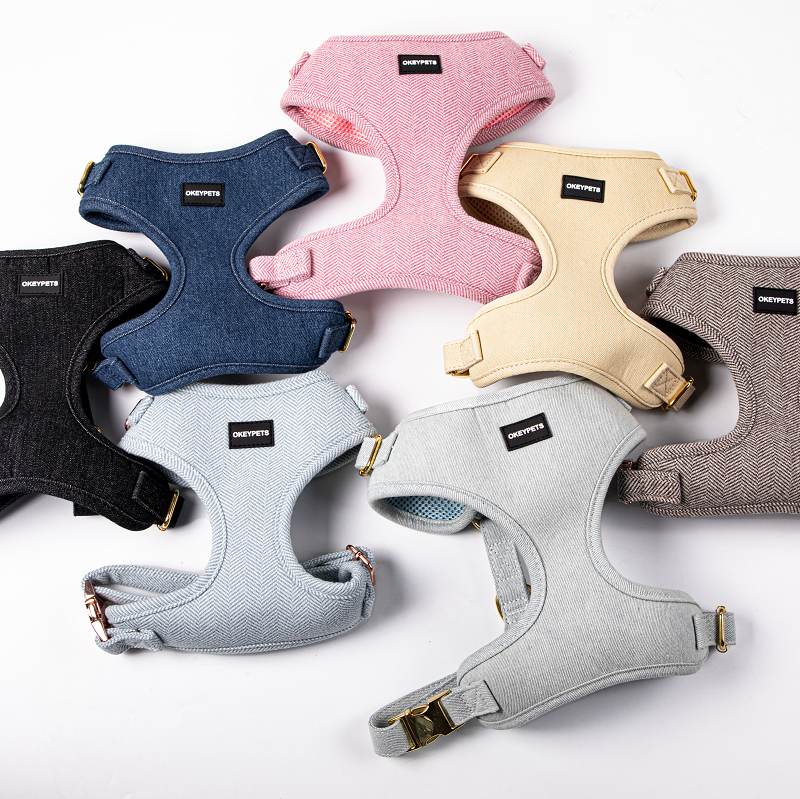
Try Adjustable Options: Many collars and harnesses are adjustable, which can be helpful for growing puppies or for layering over coats in cold weather.
5. Tips for Novices: Choosing the Right Collar or Harness for Your Dog
For new dog owners, here are some essential tips to keep in mind when choosing a collar or harness:
Consider Your Dog’s Behavior and Size: If your dog is strong or tends to pull, a harness, especially a front-clip one, may be a better choice. Smaller, calm dogs can usually wear collars comfortably.
Think About Long-Term Use: If you have an active lifestyle or enjoy water activities, consider materials like neoprene or biothane that withstand moisture and frequent washing.
Prioritize Comfort: Look for padded options or materials that won’t chafe or irritate your dog’s skin, especially for dogs with short coats or sensitive skin.
Test the Fit and Adjustability: Always check that the collar or harness is a good fit and isn’t too tight or loose. Adjustability is especially important for growing puppies.
Consult with Your Veterinarian or Trainer: For dogs with specific health issues or behavior challenges, a vet or professional trainer can offer valuable advice on the best type of collar or harness.
![Is it better for dogs to wear collars or leashes? 5]()
Final Thoughts
Both collars and harnesses have their advantages and disadvantages, and the best choice depends on your dog’s unique characteristics and needs. Collars are ideal for identification and light control, while harnesses are better suited for dogs that pull, have respiratory issues, or need extra control during walks. By choosing the right material, fit, and type, you can provide your dog with comfort and safety every time you head out for an adventure together.
Choosing the right collar or harness takes a little time and consideration, but your dog’s comfort, safety, and enjoyment on walks make the effort more than worthwhile.