In recent years, slow feeders have gained popularity as a beneficial tool for pet owners seeking to enhance their pets' dining experience and promote healthier eating habits. These feeding tools can be a game-changer, especially for pets who tend to eat too quickly, helping them avoid digestive issues, boredom, and even weight gain. In this article, we’ll explore everything you need to know about pet slow feeders, including materials, shapes, types of pets that can use them, suitable foods, and their role in weight management. If you’re a pet owner wondering whether a slow feeder is right for your furry friend, read on to learn more.
1. What Is a Pet Slow Feeder?
A pet slow feeder is a specially designed bowl or feeding tool that slows down the pace at which your pet eats. Traditional pet bowls are often flat and simple, allowing pets to consume food quickly. However, slow feeders come with intricate designs, ridges, mazes, or compartments that make it challenging for pets to reach their food all at once. This added complexity encourages pets to eat more slowly, which can improve digestion, reduce bloating, and provide mental stimulation.
2. Materials of Pet Slow Feeders
Slow feeders are made from a variety of materials, each with its own benefits. Here are the most common options:
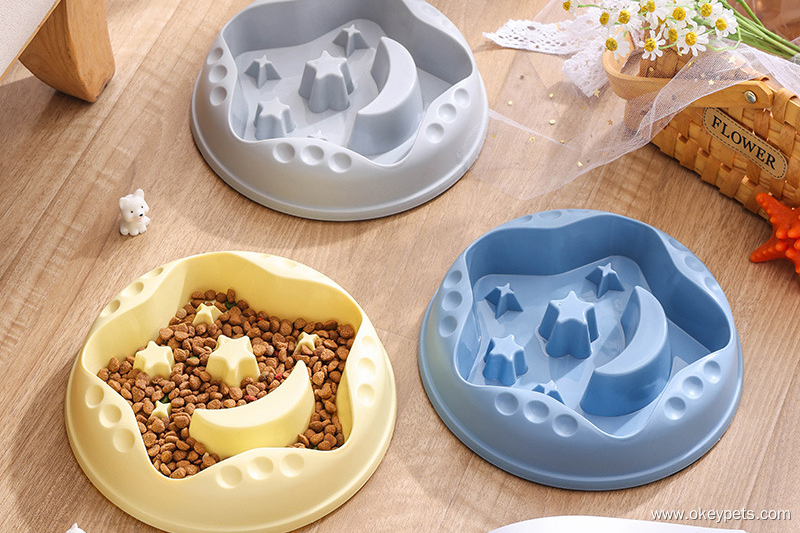
Plastic: Plastic slow feeders are lightweight, affordable, and come in various shapes and colors. Look for BPA-free and phthalate-free options to ensure safety. Plastic is typically easy to clean, although it may not be as durable as other materials over time.
![what is The Ultimate Guide to Pet Slow Feeders? | OKEYPETS 1]()
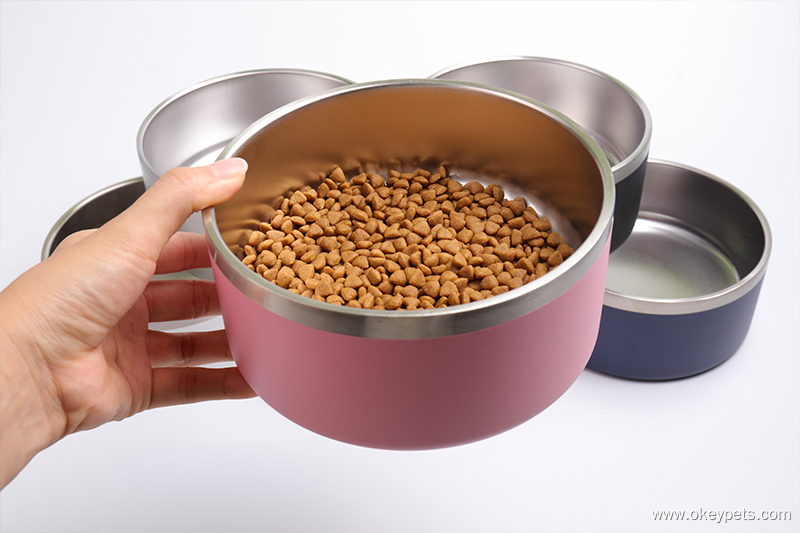
Stainless Steel: Stainless steel slow feeders are durable, resistant to bacteria, and easy to clean. They are a more hygienic choice for pets prone to allergies or sensitivities. Stainless steel options are ideal for both indoor and outdoor use.
![what is The Ultimate Guide to Pet Slow Feeders? | OKEYPETS 2]()
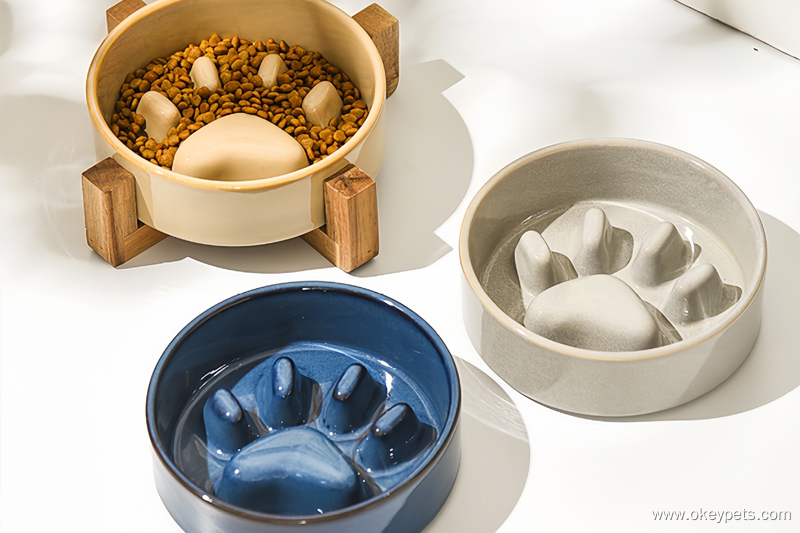
Ceramic: Ceramic slow feeders offer a sturdy, stylish option. They are often microwave-safe, allowing for easy warming of food. Ceramic feeders can be heavier, making them ideal for larger pets, as they are less likely to move around. However, they can be fragile if dropped.
![what is The Ultimate Guide to Pet Slow Feeders? | OKEYPETS 3]()
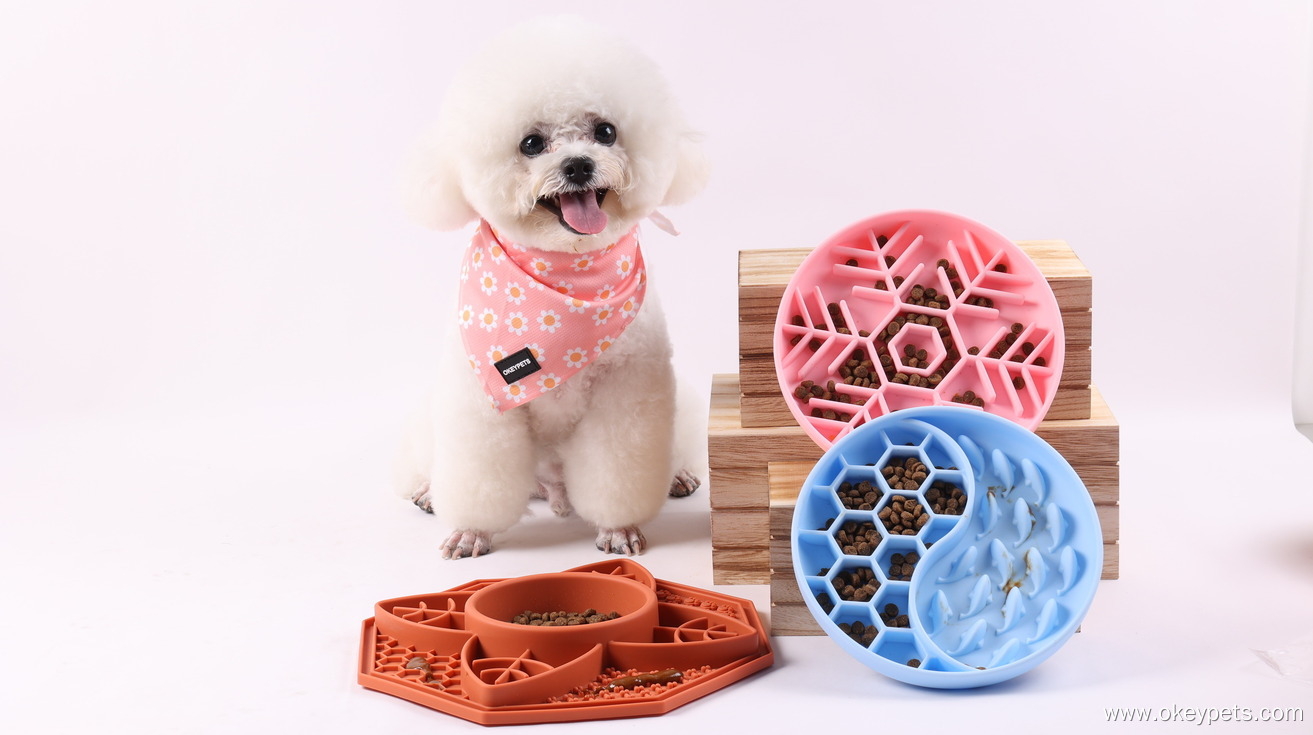
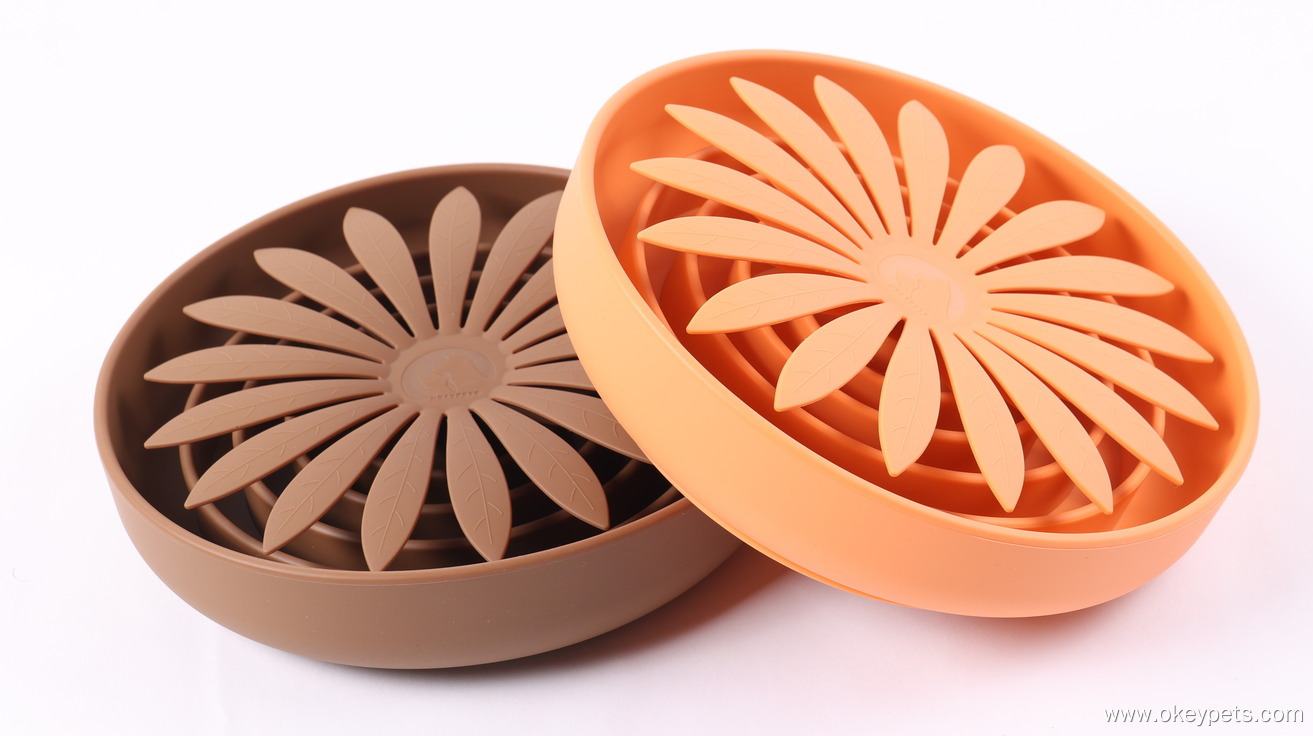
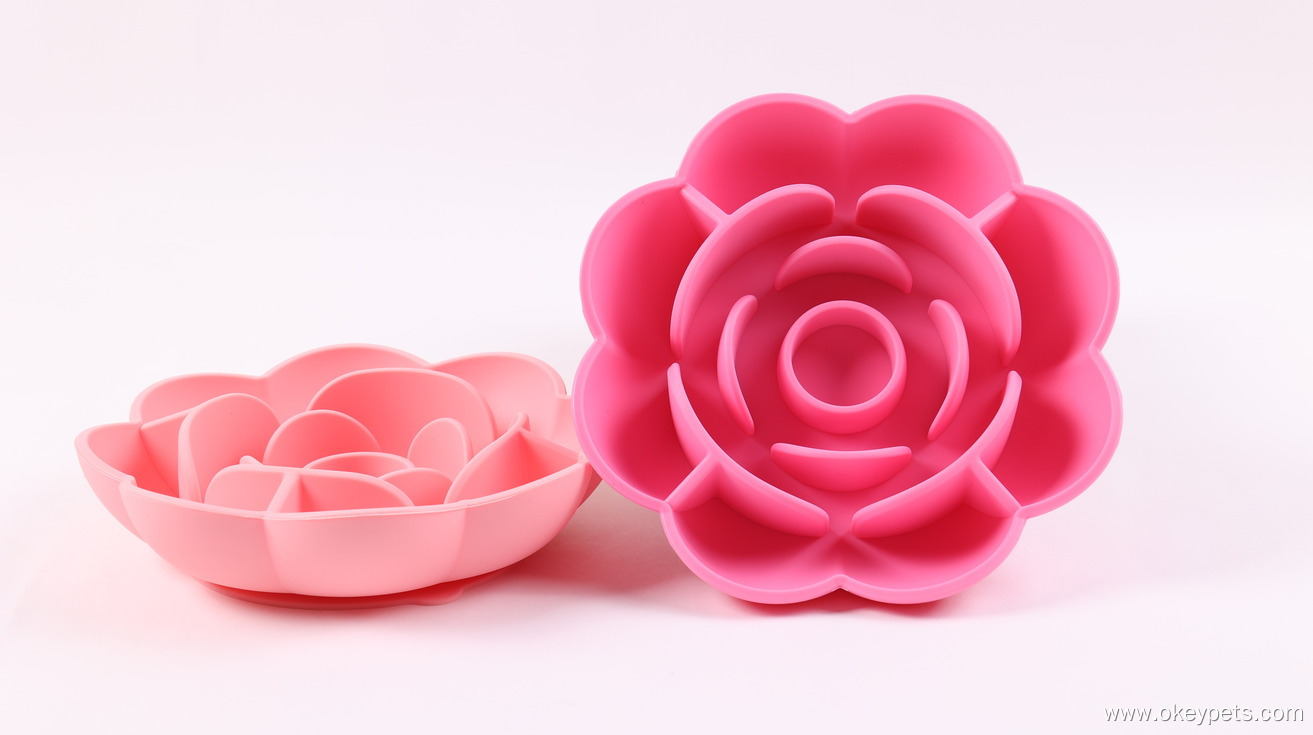
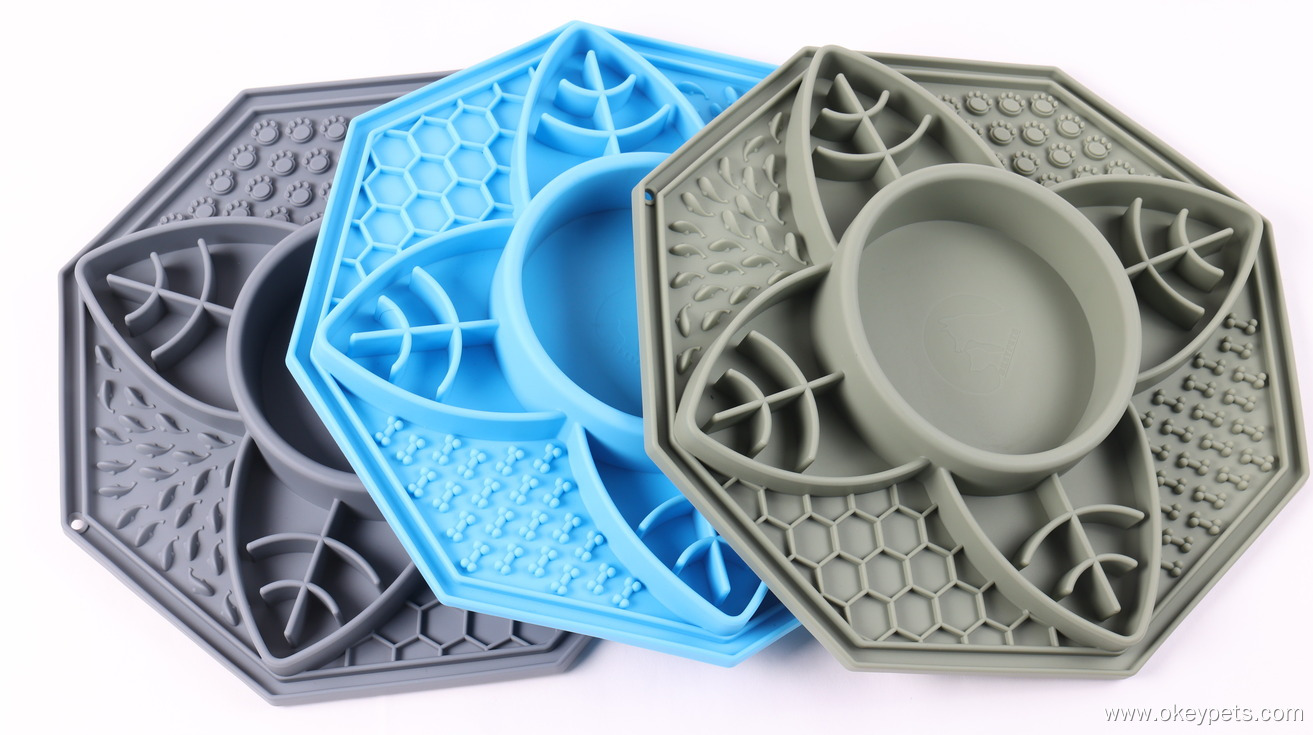
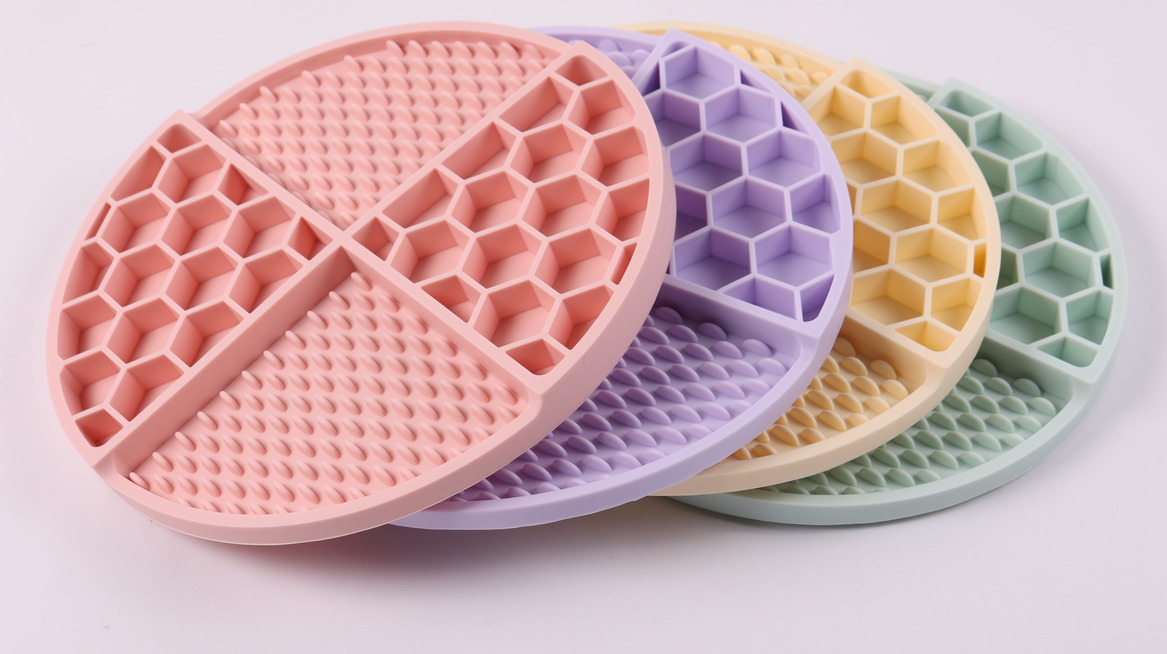
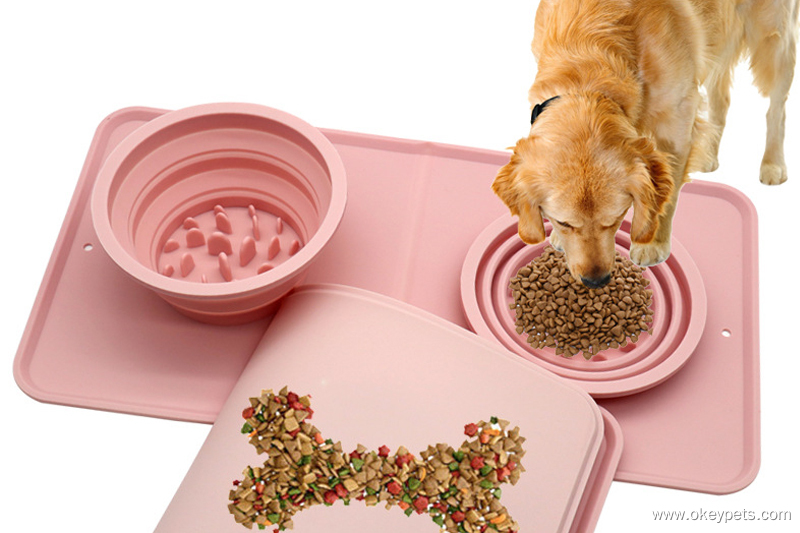
Silicone: Silicone slow feeders are lightweight, flexible, and often portable. They can be a great option for travel, as they are easy to fold and carry. Silicone is also non-toxic, durable, and easy to clean.
![what is The Ultimate Guide to Pet Slow Feeders? | OKEYPETS 4]()
3. Shapes and Designs of Pet Slow Feeders
Slow feeders come in a range of designs and shapes, each crafted to create a unique eating challenge for pets. Here are some popular options:
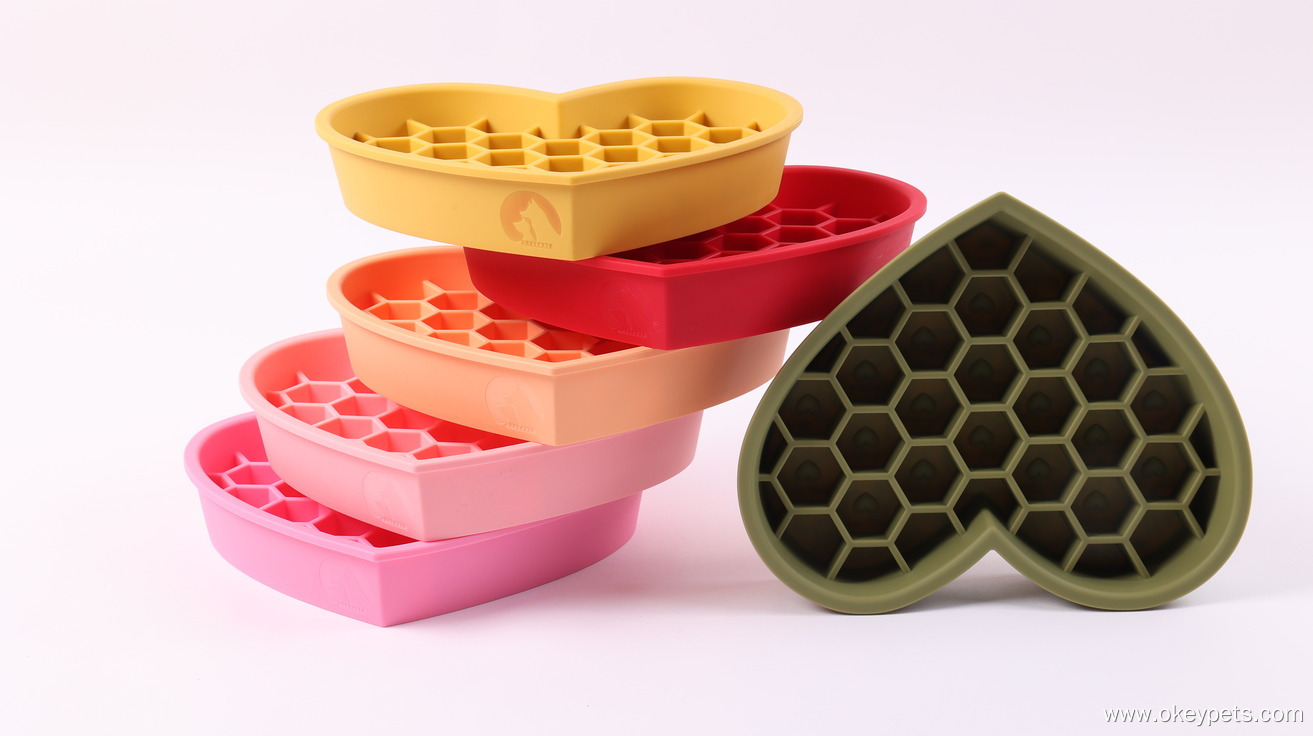
Maze Bowls: These bowls have ridges and grooves that form a maze-like structure, making it more challenging for pets to reach their food. This encourages slower eating and adds mental stimulation.
Wave and Spiral Designs: With spiral or wave designs, pets have to navigate the twists and turns to access their food, which can help in pacing their eating.
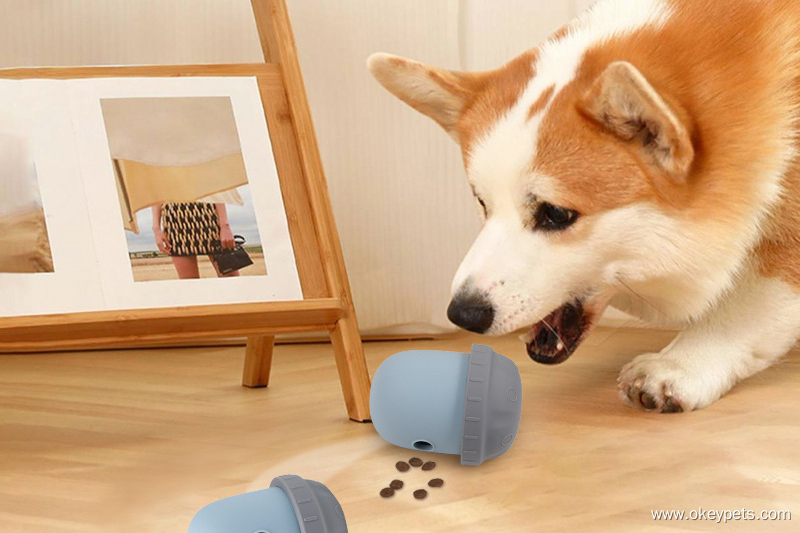
Puzzle Feeders: These feeders combine a puzzle component with feeding. Pets must solve the puzzle to release food, creating a rewarding and enriching experience.
Compartmental Feeders: These feeders are divided into multiple sections, requiring pets to eat from each section individually. This prevents gulping and is ideal for pets that tend to overeat quickly.
Raised Slow Feeders: Raised slow feeders are especially helpful for older pets or pets with neck issues. By elevating the bowl, these feeders reduce strain on the neck and improve eating posture.
4. Which Pets Can Use Slow Feeders?
While slow feeders are most commonly used for dogs, they can be beneficial for various pets:
Dogs: Fast-eating dogs are prone to issues like bloat, choking, and digestive problems. Slow feeders can help prevent these issues and improve their eating habits.
Cats: Cats can also benefit from slow feeders, especially if they tend to eat too quickly or become bored with regular feeding bowls. Slow feeders can provide mental stimulation, helping indoor cats stay engaged and active.
Small Animals: Some slow feeders are suitable for small pets, such as rabbits or guinea pigs. These feeders can keep small animals entertained and reduce the likelihood of overeating.
5. Types of Food for Slow Feeders
Slow feeders can accommodate a variety of foods, making them versatile tools for pet owners. Here’s a breakdown of suitable foods:
Dry Kibble: Most slow feeders are designed with dry kibble in mind. The grooves, ridges, and compartments make it challenging for pets to access kibble easily, helping them eat at a slower pace.
Wet Food: Some slow feeders are suitable for wet food, especially if they are made from non-porous materials like stainless steel, ceramic, or silicone. Be sure to choose a feeder that allows for easy cleaning, as wet food can be messier.
Raw Diets: For pets on a raw food diet, slow feeders can also work well. However, it’s essential to choose materials like stainless steel or silicone that are easy to sanitize, as raw foods can pose a risk of bacterial contamination.
Treats and Snacks: Many slow feeders double as treat-dispensing toys, allowing you to put treats or snacks inside. This can provide a fun, rewarding challenge for pets, keeping them entertained and reducing boredom.
![what is The Ultimate Guide to Pet Slow Feeders? | OKEYPETS 9]()
6. Can Slow Feeders Help with Weight Loss?
One of the significant benefits of using slow feeders is their potential to aid in weight management. Here’s how they can be helpful for pets trying to lose weight:
Reduced Caloric Intake: Slow feeders encourage pets to eat more slowly, which gives their bodies more time to register fullness. This can help prevent overeating, as pets are less likely to consume large amounts of food before feeling satisfied.
Mental Stimulation: Many pets, especially indoor pets, tend to eat out of boredom. Slow feeders provide mental stimulation, which can reduce boredom-related eating and keep pets occupied without consuming unnecessary calories.
Controlled Portions: Slow feeders are often designed with smaller portions in mind, which can help pet owners manage portion sizes better. By distributing food in a way that slows eating, owners can maintain better control over the amount of food their pet consumes.
Increased Physical Activity: Some slow feeders, like puzzle feeders or treat-dispensing toys, require pets to work for their food. This added activity helps burn extra calories, making it easier for pets to reach and maintain a healthy weight.
![what is The Ultimate Guide to Pet Slow Feeders? | OKEYPETS 10]()
7. How to Choose the Right Slow Feeder for Your Pet
Selecting the best slow feeder for your pet involves considering their specific needs, preferences, and physical characteristics:
Size and Breed: For larger breeds, choose a slow feeder with larger compartments or grooves to ensure they can access food comfortably. Smaller pets may benefit from feeders with more intricate designs, as they can handle smaller bites.
Food Type: If your pet eats a specific type of food, such as wet food or a raw diet, choose a feeder made from suitable materials like stainless steel or silicone for easy cleaning and hygiene.
Feeding Habits: Observe your pet’s eating habits. If they tend to gulp their food, a maze or wave-designed feeder may work best. For pets that are easily bored, a puzzle feeder could be more engaging.
Durability and Maintenance: Choose a material that’s easy to clean and durable enough to withstand daily use. Dishwasher-safe options are often preferred for convenience.
![what is The Ultimate Guide to Pet Slow Feeders? | OKEYPETS 11]()
Conclusion
Pet slow feeders can be an invaluable addition to your pet care toolkit. Whether your pet is a fast eater, prone to boredom, or in need of portion control, a slow feeder can offer numerous benefits. Available in various materials, shapes, and designs, slow feeders are adaptable to different pets and feeding preferences, providing a simple yet effective way to promote better eating habits. For pets looking to shed a few extra pounds, slow feeders can aid in weight management by encouraging controlled, mindful eating. Investing in a high-quality slow feeder can enhance your pet's health, reduce the risk of digestive issues, and provide the mental stimulation they need to thrive.
OKEYPETS's business philosophy is to devote itself to high-quality pet products.
Our company has a variety of silicone slow food utensils, such as circular, polygonal, wavy, heart-shaped, etc
The company supports our new customers to start a new business of pet products.Some hot selling styles MOQ Only 50 sets
We wish OKEYPETS's professional can establish a win-win cooperation with you, and let us grow together.
Our website:www.okeypets.com;
Our Facebook:www.facebook.com/okeypetscollarleash;
Our instagram:www.instagram.com/okeypetsdogcollarlead;
Our linkedin:www.linkedin.com/in/dog-collar-leash-o-364b47160;
Our Youtube:
our official emai address:sale@okeypets.com;
whatsapp:+(86) 183 1957 4312.
Contact us now , Let’s start work together.