



Dog owners often wonder whether their canine companions would benefit from a harness instead of a traditional collar. Harnesses offer unique advantages and can be especially helpful in certain situations. This comprehensive guide will explore what a dog harness is, its characteristics and benefits, when it is necessary, how to choose the right one, and tips for training your dog to wear it.
How to Judge Whether Your Dog Needs a Harness
2024-12-12
Table of Contents
Dog owners often wonder whether their canine companions would benefit from a harness instead of a traditional collar. Harnesses offer unique advantages and can be especially helpful in certain situations. This comprehensive guide will explore what a dog harness is, its characteristics and benefits, when it is necessary, how to choose the right one, and tips for training your dog to wear it.
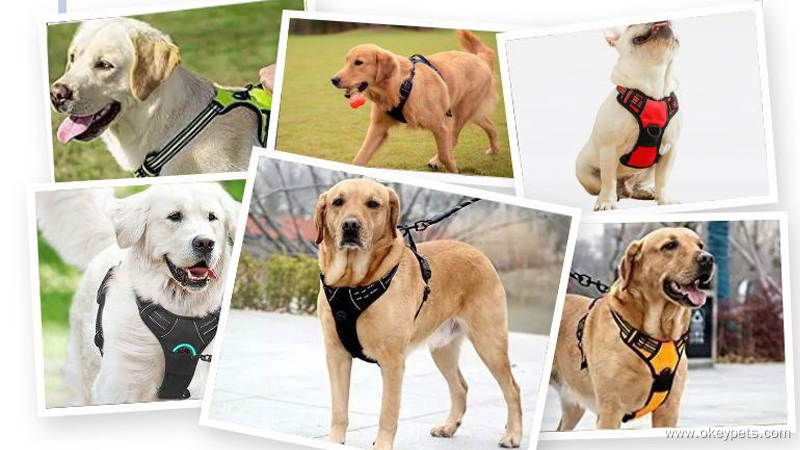
What is a Dog Harness?
A dog harness is a piece of equipment that wraps around a dog’s body, distributing pressure across the chest and shoulders rather than concentrating it on the neck. Typically made from durable materials like nylon, leather, or mesh, harnesses often feature adjustable straps for a secure fit and attachments for leashes.
Harnesses come in various designs, including:
Back-clip harnesses: Leash attachment is on the dog’s back.
Front-clip harnesses: Leash attachment is on the chest for better control.
Dual-clip harnesses: Offer both back and front leash attachment options.
Step-in harnesses: Simple designs where the dog steps into the harness.
Characteristics and Advantages of a Dog Harness
Harnesses have distinct characteristics that set them apart from collars:
Pressure Distribution: Unlike collars, which focus pressure on the neck, harnesses spread it evenly across the chest and shoulders, reducing the risk of injury.
Enhanced Control: Harnesses give owners better control over their dog’s movement, especially for strong or large breeds.
No Choking Hazard: Dogs prone to pulling won’t choke themselves when wearing a harness.
Escape Prevention: Properly fitted harnesses are harder for dogs to slip out of compared to collars.
Versatility: Some harnesses come with handles for lifting the dog, which is particularly useful for small breeds or injured dogs.
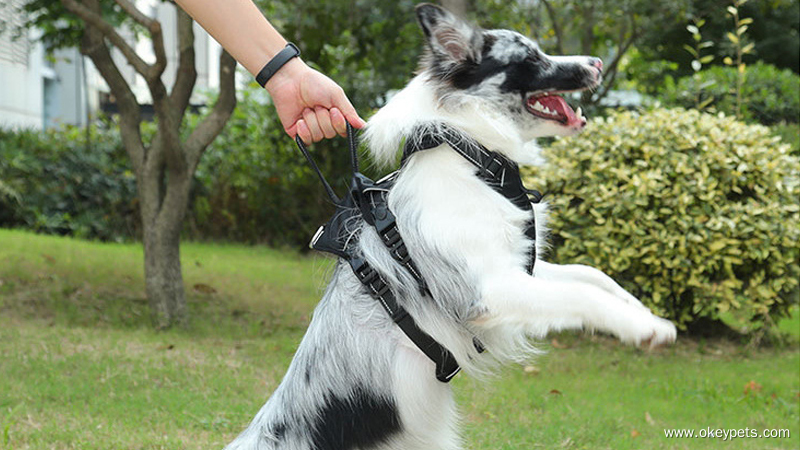
When Does Your Dog Need a Harness?
A dog harness isn’t necessary for every dog, but certain scenarios make it an ideal choice:
For Pullers: Dogs that pull on the leash during walks can benefit from a harness, especially front-clip designs that discourage pulling.
Small or Fragile Breeds: Small breeds with delicate necks, such as Chihuahuas or Pomeranians, are safer in a harness.
Dogs with Health Issues: Dogs with respiratory problems, neck injuries, or tracheal collapse should avoid collars and use a harness instead.
Training Puppies: Puppies learning to walk on a leash can benefit from the extra control a harness provides.
High-Energy Dogs: For active or excitable dogs, a harness offers better management during outdoor activities.
Service and Assistance Dogs: Harnesses with handles or specific attachments are essential for working dogs.
How to Choose the Right Harness
Selecting the right harness for your dog depends on their size, behavior, and specific needs. Here are factors to consider:
Size and Fit:
Measure your dog’s chest and neck to ensure a snug yet comfortable fit.
Check the manufacturer’s sizing guide before purchasing.
Material:
Opt for durable materials like nylon for active dogs or padded options for comfort.
Ensure the harness is lightweight and breathable for warm climates.
Design:
For dogs that pull, choose a front-clip or dual-clip harness.
For ease of use, consider a step-in harness.
Adjustability:
Look for adjustable straps to accommodate growth or weight changes.
Special Features:
Reflective strips for nighttime visibility.
Handles for better control or lifting assistance.
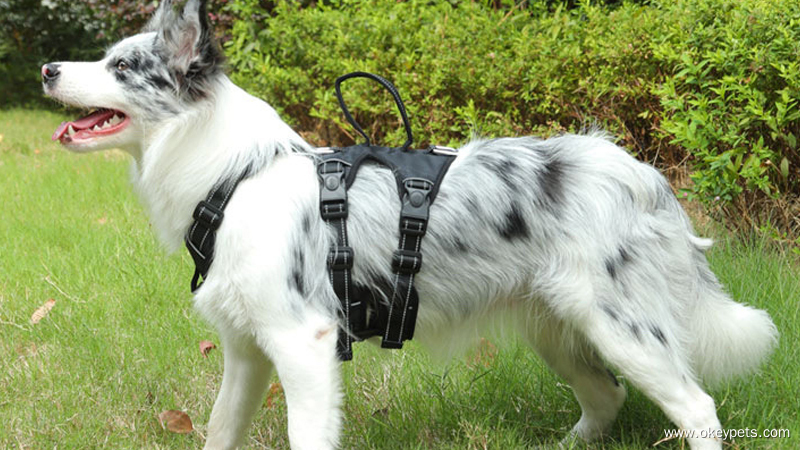
Training Your Dog to Wear a Harness
Introducing a harness to your dog requires patience and positive reinforcement. Follow these steps to make the process smooth:
Introduce the Harness Gradually:
Let your dog sniff and examine the harness before putting it on.
Reward your dog with treats and praise for staying calm around the harness.
Practice Indoors:
Put the harness on for short periods indoors to allow your dog to get used to the sensation.
Engage in fun activities or give treats to create positive associations.
Adjust for Comfort:
Ensure the harness fits snugly but isn’t too tight. You should be able to slip two fingers between the harness and your dog’s body.
Practice Walking:
Attach the leash and practice walking indoors before venturing outside.
Use positive reinforcement to encourage your dog to walk calmly.
Be Patient:
Some dogs may take longer to adjust. Consistency and patience are key.
Conclusion
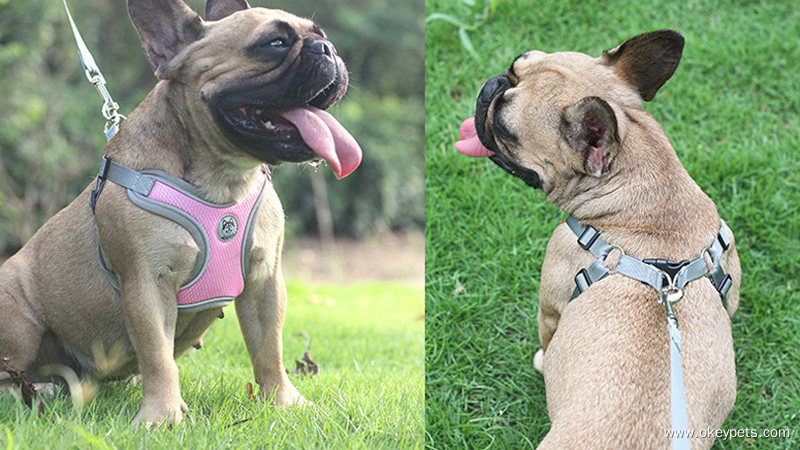
A dog harness can be a valuable tool for enhancing your dog’s safety and your control during walks. Understanding its characteristics, benefits, and the circumstances under which it’s needed will help you make an informed decision. Remember to choose the right harness for your dog’s specific needs and take the time to train them to wear it comfortably. By doing so, you’ll ensure a positive and enjoyable experience for both you and your furry friend.
ReviewsNumber of comments: {{ page.total }}
I want to comment?
{{item.nickname ? (item.nickname.slice(0, 2) + '*****') : item.source === 1 ? 'mall buyer' : '--'}}
{{item.comment_time}}
Review in the {{item.country}}
Reviews
Merchant
{{replyItem.nickname ? (replyItem.nickname.slice(0, 2) + '*****') : replyItem.source === 1 ? 'mall buyer' : '--'}}
{{replyItem.parent_nickname ? (replyItem.parent_nickname.slice(0, 2) + '*****') : '--'}}
{{replyItem.is_merchant_reply === 1 ? replyItem.reply_time : replyItem.comment_time}}
Review in the {{replyItem.country}}
Reviews

No customer reviews
Recommended for you
Get in touch with us
OKEYPETS specializes in providing high-quality dog harnesses, collars, leashes, and other pet accessories. We are committed to quality and customization to ensure that your products not only look great, but also provide a sense of comfort and safety.
QUICK LINKS
PRODUCTS
CONTACT US
Contact Person: OKEYPETS Bella
TEL/WHATSAPP: +8618319574312
E-MAIL: sale@okeypets.com
ADD: No. 777, Helong First Road, Helong Street, Baiyun District, Guangzhou, Guangdong, China,. 510000
Copyright © 2026 | GUANGZHOU OKEYPETS PRODUCTS CO.,LTD - www.okeypets.com All Rights Reserved. | Privacy Policy