



OKEYPETS's business philosophy is to devote itself to high-quality pet products. All in order to make our pets safe, comfortable and healthy.
The company supports our new customers to start a new business of pet products.Some hot selling styles MOQ Only 50 sets.
We wish OKEYPETS's professional can establish a win-win cooperation with you, and let us grow together.
Our website:www.okeypets.com;
Our Facebook:www.facebook.com/okeypetscollarleash;
Our instagram:www.instagram.com/okeypetscollarleash;
Our Youtube:https://www.youtube.com/channel/UC2HffVwHPNGaK8BHwxGg_ZA
our official emai address:sale@okeypets.com;
whatsapp:+(86) 183 1957 4312.
Contact us now , Let’s start work together.
How to keep your dog's hair healthy
2025-01-02
Table of Contents
When it comes to dog grooming, one of the most important aspects is maintaining the health of your dog’s hair. A shiny, soft coat is often a sign of a happy, healthy dog, while a dull, brittle, or shedding coat could indicate underlying health issues. In this article, we will discuss how to tell whether your dog’s hair is healthy, and what to do if it’s not. By following proper care practices, you can ensure that your dog’s coat stays in tip-top shape.
How to Tell If Your Dog's Hair Is Healthy
1. Shine and Texture
One of the first things to look for when assessing the health of your dog’s hair is its shine. A healthy coat will reflect light, giving it a glossy, smooth appearance. A shiny coat is usually an indicator of good nutrition, hydration, and overall health. The texture of the hair should also feel soft, with no rough patches or thinning areas.
2. Absence of Excessive Shedding
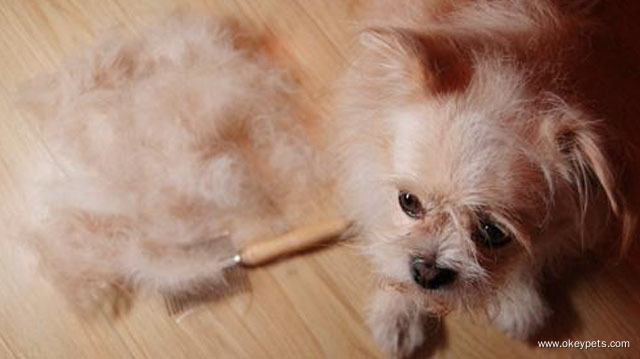
While shedding is normal for most dogs, excessive hair loss is not. If you notice that your dog’s hair is falling out in large clumps or is leaving a lot of fur behind on furniture and clothing, it could be a sign that something is wrong. Healthy shedding occurs gradually, and there should still be enough fur left on the dog’s body to protect its skin.
3. No Dandruff or Flakiness
Dandruff in dogs, like in humans, can be a sign of dry skin, allergies, or a skin infection. Healthy fur should not flake or cause irritation. If you notice white flakes or patches of dry skin, it’s time to investigate further.
4. Healthy Skin Underneath
A healthy coat starts with healthy skin. When you run your fingers through your dog’s fur, the skin should feel smooth and free of lumps, bumps, or scabs. If you find areas of redness, irritation, or excessive scratching, it may be an indication of allergies, parasites, or other skin conditions.
5. Even Fur Growth
A dog’s coat should grow evenly, without noticeable bald spots or areas of thinning fur. Uneven hair growth can be caused by hormonal imbalances, parasites, or other health issues. If you notice that your dog is losing hair in patches or is growing fur in unusual patterns, it’s important to seek veterinary advice.
What to Do If Your Dog’s Hair Is Unhealthy
If you’ve noticed any signs of unhealthy hair, it’s essential to take action quickly. The first step is to assess whether the cause is environmental, nutritional, or health-related. Below are some tips on how to address common hair problems in dogs:
1. Regular Grooming
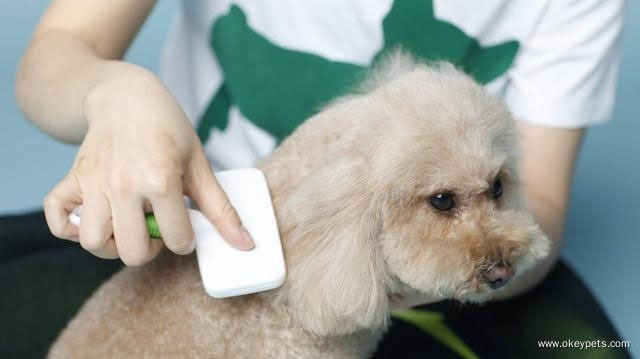
One of the best ways to ensure your dog’s coat stays healthy is through regular grooming. Brushing your dog’s hair not only helps prevent mats and tangles but also stimulates the skin, promoting the natural oils that keep the coat shiny and hydrated. The type of brush you use will depend on your dog’s coat type:
Short-haired breeds (like Beagles or Boxers) may require only a weekly brush.
Long-haired breeds (like Poodles or Collies) may need daily brushing to prevent tangles and mats.
Curly-haired dogs (like Bichon Frises or Portuguese Water Dogs) need regular brushing and often require professional grooming to maintain their coat's texture.
Regular grooming helps distribute your dog’s natural oils and promotes a shiny, healthy coat.
2. Bathing
Bathing your dog too frequently can strip the skin and coat of essential oils, leading to dry, flaky skin and dull hair. However, not bathing your dog enough can lead to dirt, oil buildup, and odors. The key is finding a balance. Most dogs should be bathed once every 4-6 weeks, or more often if they get particularly dirty or smelly. When bathing, use a dog-specific shampoo to avoid irritation, as human shampoos can be too harsh for their skin.
If your dog’s coat is dry or flaky, you can opt for a moisturizing dog shampoo or add an oatmeal-based product to soothe the skin. Follow up with a conditioner to maintain the hair's smoothness and shine.

3. Dietary Considerations
A dog's diet plays a crucial role in the health of its coat. Poor nutrition can lead to dry, brittle hair and even hair loss. A well-balanced, high-quality dog food that contains essential fatty acids, vitamins, and minerals is important for maintaining healthy fur. Ingredients like Omega-3 and Omega-6 fatty acids, found in fish oil, flaxseed, and chicken, can improve the quality of your dog's coat.
If your dog is experiencing unhealthy hair, it may be time to review its diet. Consult your vet for recommendations on improving your dog’s nutrition. In some cases, supplements such as fish oil or biotin can be beneficial for enhancing coat health.
4. Treating Underlying Health Issues
If your dog’s fur is unhealthy despite proper grooming and diet, it may be a symptom of an underlying health issue. Some common causes of unhealthy dog hair include:
Allergies: Dogs can suffer from environmental or food allergies, which can cause itching, hair loss, and skin irritation. Identifying and eliminating the allergen is essential for improving coat health.
Parasites: Fleas, ticks, and mites can cause hair loss, skin irritation, and infections. Regular flea and tick prevention is necessary to keep your dog’s skin and coat healthy.
Hormonal Imbalances: Conditions like hypothyroidism or Cushing’s disease can lead to hair thinning, patchy hair loss, and poor coat condition. If you suspect a hormonal imbalance, consult with your vet.
Infections: Bacterial or fungal infections can lead to hair loss, scabs, and redness. If you see signs of infection, your vet can prescribe appropriate treatments like antibiotics or antifungal medications.
Stress: Just like humans, dogs can experience stress, which can result in excessive shedding or fur loss. Ensuring that your dog has a stable environment and regular exercise can help reduce stress.
5. Hydration
Adequate hydration is essential for maintaining a healthy coat. Dehydration can cause dry, brittle fur, so make sure your dog always has access to fresh water. If your dog is reluctant to drink, consider adding water to their food or offering ice cubes as a treat.
6. Professional Grooming
For breeds with complex coats or those prone to matting, regular professional grooming is a must. A professional groomer can trim, bathe, and detangle your dog’s coat, ensuring it stays in great condition.

Conclusion
Caring for your dog’s hair is an essential part of keeping them healthy and happy. By paying attention to signs of healthy or unhealthy fur, and following the right grooming practices, you can help ensure your dog’s coat remains shiny, soft, and beautiful. Regular brushing, a nutritious diet, and prompt treatment of health issues can all contribute to a coat that’s as healthy as it is stunning.
If you notice signs of unhealthy hair, don’t hesitate to consult your veterinarian for guidance. Early intervention can make all the difference in restoring your dog’s coat to its full, healthy potential.
ReviewsNumber of comments: {{ page.total }}
I want to comment?
{{item.nickname ? (item.nickname.slice(0, 2) + '*****') : item.source === 1 ? 'mall buyer' : '--'}}
{{item.comment_time}}
Review in the {{item.country}}
Reviews
Merchant
{{replyItem.nickname ? (replyItem.nickname.slice(0, 2) + '*****') : replyItem.source === 1 ? 'mall buyer' : '--'}}
{{replyItem.parent_nickname ? (replyItem.parent_nickname.slice(0, 2) + '*****') : '--'}}
{{replyItem.is_merchant_reply === 1 ? replyItem.reply_time : replyItem.comment_time}}
Review in the {{replyItem.country}}
Reviews

No customer reviews
Recommended for you
Get in touch with us
OKEYPETS specializes in providing high-quality dog harnesses, collars, leashes, and other pet accessories. We are committed to quality and customization to ensure that your products not only look great, but also provide a sense of comfort and safety.
QUICK LINKS
PRODUCTS
CONTACT US
Contact Person: OKEYPETS Bella
TEL/WHATSAPP: +8618319574312
E-MAIL: sale@okeypets.com
ADD: No. 777, Helong First Road, Helong Street, Baiyun District, Guangzhou, Guangdong, China,. 510000
Copyright © 2026 | GUANGZHOU OKEYPETS PRODUCTS CO.,LTD - www.okeypets.com All Rights Reserved. | Privacy Policy