



Dealing with an anxious dog can be challenging for both the pet and their owner. Whether it's fear of loud noises, separation anxiety, or general nervousness, anxiety can affect your dog's quality of life. Fortunately, there are several practical strategies that can help calm an anxious dog, ensuring they feel safe, secure, and happy. In this article, we’ll share 10 effective tips that can help reduce anxiety in dogs.
10 Helpful Tips on How to Calm an Anxious Dog
2024-12-25
Table of Contents
Dealing with an anxious dog can be challenging for both the pet and their owner. Whether it's fear of loud noises, separation anxiety, or general nervousness, anxiety can affect your dog's quality of life. Fortunately, there are several practical strategies that can help calm an anxious dog, ensuring they feel safe, secure, and happy. In this article, we’ll share 10 effective tips that can help reduce anxiety in dogs.
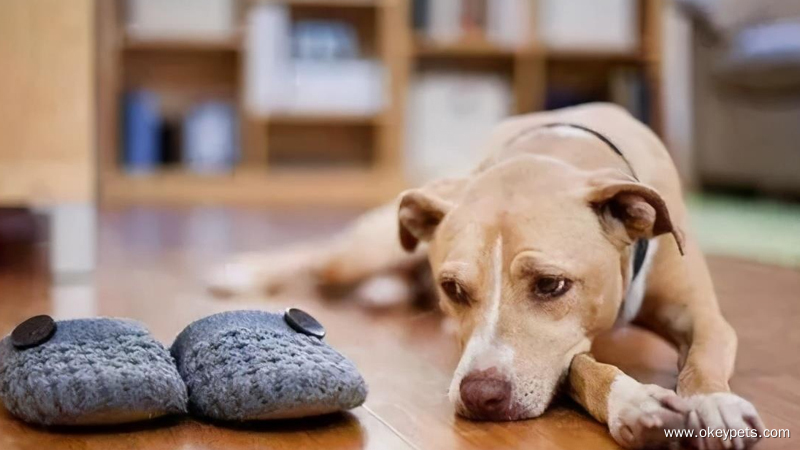
1. Create a Calm, Safe Space
Anxiety often arises when a dog feels overwhelmed or exposed. One of the most effective ways to help an anxious dog is by providing a safe space where they can retreat when they feel stressed. A crate, a quiet room, or a designated area with their bed, favorite toys, and water can serve as a sanctuary. Avoid forcing your dog into this space; instead, make it a positive and voluntary retreat.
2. Use Calming Pheromones
Canine pheromones are natural chemicals that help dogs feel relaxed and secure. Products like Adaptil use synthetic pheromones that mimic the calming scent released by mother dogs to their puppies. Diffusers, sprays, and collars with these pheromones can significantly reduce anxiety in many dogs. These products are especially helpful during stressful events like thunderstorms, fireworks, or when introducing new situations.
3. Stick to a Routine
Dogs thrive on routine. Having a consistent daily schedule for feeding, walking, and playtime helps provide structure and predictability, which can reduce anxiety. A well-balanced routine gives dogs a sense of control over their environment, helping them feel less stressed. If your dog experiences separation anxiety, maintaining a regular routine for your comings and goings can also help them anticipate your return and reduce stress.
4. Provide Plenty of Physical and Mental Stimulation
A lack of physical and mental exercise can contribute to anxiety in dogs. Regular walks, playtime, and interactive toys can help burn off excess energy and reduce nervous behavior. Puzzle toys, treat-dispensing balls, and training exercises can also engage your dog’s mind, giving them a positive outlet for their energy. Remember that a tired dog is often a calmer dog.
5. Try Calming Supplements
Many pet owners turn to calming supplements and natural remedies to help manage anxiety. CBD oil, melatonin, and herbal remedies like chamomile and valerian root have been known to have a calming effect on dogs. Calming chews that contain ingredients like L-theanine or tryptophan can also help. Always check with your veterinarian before introducing new supplements or medications to ensure they’re safe and appropriate for your dog.
6. Use a Thundershirt or Anxiety Wrap
A Thundershirt or other anxiety wraps work by providing gentle, constant pressure to your dog’s torso, mimicking the sensation of being held or hugged. This pressure can help reduce anxiety, especially during stressful situations like thunderstorms, fireworks, or travel. Many dogs respond positively to this sensation, as it can have a calming effect similar to swaddling a baby.
7. Provide Comforting Scents
Certain scents can have a soothing effect on dogs. Lavender and chamomile are two calming scents that have been found to reduce stress in pets. You can use essential oil diffusers or calming sprays in your home to introduce these scents in a safe and non-invasive way. Always ensure the oils are diluted properly and never apply essential oils directly to your dog’s skin unless directed by a vet.
8. Desensitize to Anxiety Triggers
If your dog has specific triggers for their anxiety—such as loud noises, car rides, or being left alone—you can help them gradually become more comfortable by desensitizing them. Start by exposing your dog to the trigger at a low intensity and gradually increase it over time, always rewarding calm behavior with treats and praise. For example, if your dog is scared of thunderstorms, you can play recordings of thunder at a low volume and slowly raise the volume as they become more comfortable.
9. Consult a Professional Trainer or Behaviorist
If your dog’s anxiety is severe or persistent, seeking professional help can be a game-changer. A certified dog trainer or animal behaviorist can assess your dog’s specific situation and provide tailored strategies to reduce anxiety. Behavioral modification techniques, positive reinforcement training, and relaxation exercises can help your dog learn how to cope with stress in a healthy, constructive way.
10. Stay Calm and Supportive
Dogs are incredibly sensitive to their owners' emotions. If you react with anxiety, frustration, or anger, your dog may pick up on these emotions and become more stressed. Instead, approach your anxious dog with calmness and patience. Use a soothing voice, maintain relaxed body language, and be supportive. Your calm demeanor will help reassure your dog and encourage them to relax as well.
Conclusion
Anxiety is a common issue for many dogs, but with patience, consistency, and the right approach, you can help your dog feel more secure and relaxed. By creating a safe environment, using calming products, sticking to a routine, and offering plenty of mental and physical exercise, you’ll be well on your way to reducing your dog’s anxiety. And remember, if your dog’s anxiety is severe or persistent, professional help from a veterinarian or behaviorist can provide the guidance and support you both need.
By using these practical tips, you can help your dog navigate their fears and lead a more comfortable, stress-free life.
ReviewsNumber of comments: {{ page.total }}
I want to comment?
{{item.nickname ? (item.nickname.slice(0, 2) + '*****') : item.source === 1 ? 'mall buyer' : '--'}}
{{item.comment_time}}
Review in the {{item.country}}
Reviews
Merchant
{{replyItem.nickname ? (replyItem.nickname.slice(0, 2) + '*****') : replyItem.source === 1 ? 'mall buyer' : '--'}}
{{replyItem.parent_nickname ? (replyItem.parent_nickname.slice(0, 2) + '*****') : '--'}}
{{replyItem.is_merchant_reply === 1 ? replyItem.reply_time : replyItem.comment_time}}
Review in the {{replyItem.country}}
Reviews

No customer reviews
Recommended for you
Get in touch with us
OKEYPETS specializes in providing high-quality dog harnesses, collars, leashes, and other pet accessories. We are committed to quality and customization to ensure that your products not only look great, but also provide a sense of comfort and safety.
QUICK LINKS
PRODUCTS
CONTACT US
Contact Person: OKEYPETS Bella
TEL/WHATSAPP: +8618319574312
E-MAIL: sale@okeypets.com
ADD: No. 777, Helong First Road, Helong Street, Baiyun District, Guangzhou, Guangdong, China,. 510000
Copyright © 2026 | GUANGZHOU OKEYPETS PRODUCTS CO.,LTD - www.okeypets.com All Rights Reserved. | Privacy Policy